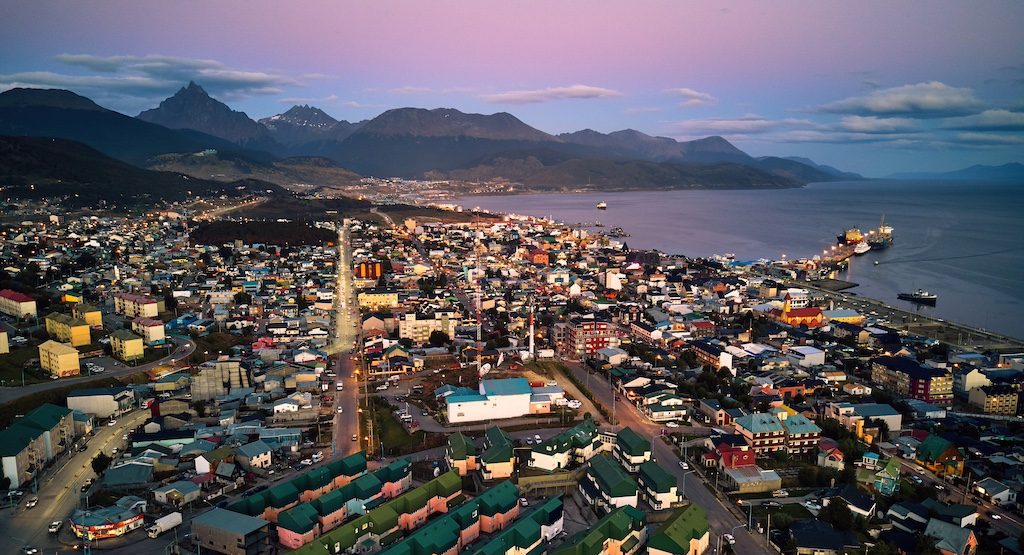
Ushuaia has spent the last decade positioning itself as the gateway to adventure. Perched at the bottom of Argentina, this windswept port city has become the launching point for Antarctic expeditions, attracting travelers hungry for ice, isolation, and the romance of Earth's edge. Tourism grew 252 percent over ten years. Hotels booked solid. Travel agents couldn't move inventory fast enough.
Then came the outbreak. In spring, passengers aboard the Dutch cruise ship MV Hondius reported symptoms of hantavirus infection. By mid-May, authorities had confirmed 11 cases, including three deaths. The virus appeared to have crossed between passengers aboard ship, raising uncomfortable questions about where it came from and how it spread. Initial reports suggested the infection may have originated in birdwatching tours based in the Ushuaia region, turning the city's main selling point into a liability overnight.
Social media erupted with panic. The specter of another post-pandemic virus capable of human-to-human transmission sent shivers through the travel industry. Media outlets ran worst-case scenarios. What had been a distant health advisory suddenly felt close and real to anyone scrolling their feeds. The World Health Organization eventually downgraded the global risk to low, noting the outbreak appeared to stem from a single zoonotic spillover event and that the cruise ship's close quarters created conditions unlikely to replicate ashore. Still, the damage to Ushuaia's image was swift and unmistakable.
When Reputation Becomes Currency
For a city where tourism generates 25 percent of municipal revenue, perception matters as much as safety statistics. Travel agents have already reported noticeable drops in bookings for next season. In a destination built on the promise of pristine wilderness and untouched remoteness, any taint of disease becomes existential. Julio Lovece, who previously served as Ushuaia's tourism secretary, captured the anxiety perfectly: "There's concern because our main attraction is clean and pure landscapes, the imaginary idea of the end of the world."
That concern is no small thing. Ushuaia hasn't been having an easy time anyway. Argentina's government policies have been pushing domestic travelers toward international destinations, creating economic headwinds long before the virus made headlines. The hantavirus scare simply accelerated existing pressures. Unlike the trillions in global GDP lost during COVID-19, Ushuaia's losses will be measured in smaller numbers on local balance sheets. But for a city of roughly 57,000 people dependent on seasonal tourism flows, those numbers determine whether businesses stay open or close, whether workers find employment or move elsewhere.
What Travelers Should Actually Know
The science, for what it's worth, doesn't justify blanket avoidance. Hantavirus typically spreads through exposure to rodent droppings, not through the kind of casual contact that terrifies airplane passengers. The shipboard outbreak was unusual precisely because it suggested human-to-human transmission in an unusually crowded environment. Antarctic cruises from Ushuaia operate in far more open conditions. Birdwatching expeditions involve small groups, outdoor exposure, and none of the recirculated air systems that made a cruise ship a petri dish.
Ships have bounced back from health crises before, and destinations recover when travelers understand that one outbreak doesn't define an entire region. The real question isn't whether Ushuaia is safe. It's whether the city can convince the world it is before the next Antarctic season begins.
For now, Ushuaia sits in limbo. Authorities investigate. Airlines continue flying. Hotels stand ready. But booking calendars tell the story that matters most. Every cancellation represents a lost night of lodging, a meal untouched, an expedition unfilled. In the travel business, perception can be as deadly as any virus. Ushuaia built itself on the mythology of wildness and purity. That mythology, it turns out, is fragile.