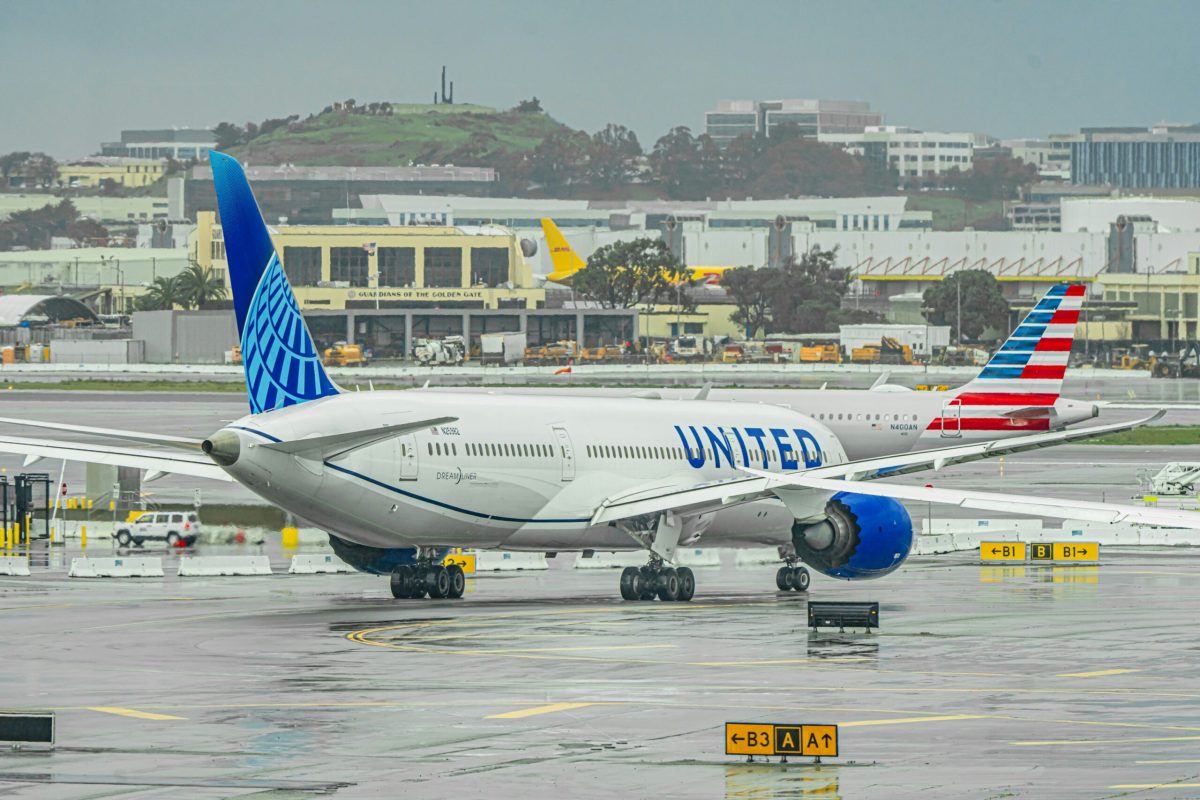
The aviation world is bracing for a seismic shift. Scott Kirby, CEO of United Airlines, has proposed combining forces with American Airlines to create what industry insiders are calling a "super carrier." If approved, the deal would represent the largest airline merger in a decade and concentrate roughly 75% of US passenger capacity into just three companies.
The timing is noteworthy. Kirby raised the idea during a February meeting with President Donald Trump, and early signals from the administration suggest openness to the concept. Transportation Secretary Sean Duffy has already indicated the Trump administration might not stand in the way, despite the obvious monopoly concerns.
The Financial Pressure Behind the Push
The airline industry is reeling from surging fuel costs triggered by Middle East tensions. Over 25 airlines are gutting Middle East flights, trimming schedules and rationalizing fuel consumption across the board. The hidden cost of flying over war zones is hitting every carrier hard.
Kirby, however, sees opportunity where others see crisis. He's argued that United could "come out stronger on the other side" by capitalizing on rivals facing financial distress. The airline is already eyeing distressed carriers like JetBlue, which is drowning in debt. A merger with American, whose financial position is troubled but not catastrophic, would create a powerhouse pairing: American's reputation for domestic affordability and OneWorld Alliance partnerships combined with United's superior on-time performance, long-haul expertise, and premium cabin services.
Kirby has previously spoken about wanting to address what he calls the "trade deficit" between American carriers and foreign competitors on transatlantic and international routes. A combined United-American entity, he argues, would finally create "a great American airline that all Americans can be proud of that competes not just on schedules but on quality and product and service."
Why Travelers and Watchdogs Are Alarmed
The backlash is swift and fierce. Ganesh Sitaraman, director of the Vanderbilt Policy Accelerator, called the merger a smoking gun that proves "how broken the airline industry is in America" and warned it would be "an absolute disaster for the flying public." His concern is straightforward: fewer competitors mean higher ticket prices, more hidden fees, and fewer meaningful choices for consumers.
William McGee, a senior fellow for aviation and travel at the American Economic Liberties Project, didn't mince words either, calling it "undoubtedly the most absurd airline merger I've ever heard about." Even members of Congress are preparing counterarguments, with the Monopoly Busters Caucus suggesting there's "no statute of limitations" for breaking up bad deals should the merger proceed.
The practical reality for travelers is what worries these analysts most. Route consolidation typically follows major airline mergers, meaning some cities lose direct flights. Fares rise as competition shrinks. Customer service suffers when integration is rushed. And business travelers especially would face reduced leverage when negotiating corporate contracts.
What Unions and Industry Insiders Think
Union leaders are taking a more pragmatic stance. Dennis Tajer, spokesperson for the Allied Pilots Association representing 16,000 American Airlines pilots, expressed concerns about American's "financial, operational and customer service underperformance under the current management team," but left the door open for discussions about turnaround ideas. For unionized workers, a merger might offer job stability, but it typically brings layoffs and redundancies in corporate and flight operations.
The coming months will reveal whether regulators have the appetite to block what could be the most consequential aviation deal in years. For now, travelers should watch closely. History suggests that airline consolidation rarely benefits passengers in the ways that executives promise it will.