Cyprus is breathing easier. In early June, both the United States and United Kingdom softened their travel warnings for the island, marking a significant turning point after a rough stretch that left hotels, restaurants, and local businesses scrambling.
The pivot comes after a period of genuine uncertainty. When regional tensions escalated in late February following the U.S.-Israel conflict in the Middle East, both governments issued elevated alerts. A drone strike on the British military base at Akrotiri in March only reinforced those concerns. For travelers, these warnings felt like a red light, and bookings plummeted.
Why This Matters More Than You'd Think
Here's the thing: while official travel advisories technically apply only to citizens of those countries, they carry enormous weight across the entire tourism ecosystem. The UK alone accounted for nearly a third of all visitors to Cyprus in 2025, making British confidence in the destination a bellwether for the entire season. When they hold back, everyone suffers.
The US downgraded Cyprus to Level 1 (normal precautions) on June 1st, reversing its previous Level 3 ranking that had warned travelers to reconsider their plans entirely. The UK followed suit shortly after, with updated foreign travel advice that still acknowledges regional risks but no longer discourages travel outright. Other European nations like France, the Netherlands, and Italy had already shifted their stances, so these moves brought the major English-speaking markets back in line.
The Booking Question Everyone's Asking
Cyprus' tourism officials see genuine cause for optimism. Deputy Minister Costas Koumis told state broadcasters that May traffic had already stabilized compared to historical patterns, suggesting the worst might be behind them. The Cyprus Hotel Association called the advisory changes "a significant development" that would reshape conditions for the remainder of the summer season.
But not everyone is uncorking champagne just yet. Akis Vavlitis, president of the Association of Cyprus Tourism Enterprises, urged patience. Real booking surges typically materialize within two to three weeks of good news, and he's waiting to see the actual numbers before declaring victory.
What Travelers Need to Know Right Now
If you're thinking about Cyprus this summer, the practical takeaway is straightforward. Exercise normal travel sense: monitor local news, keep emergency contacts and preparation steps ready just in case, and stay alert to your surroundings. These precautions apply to travel anywhere, not just Cyprus.
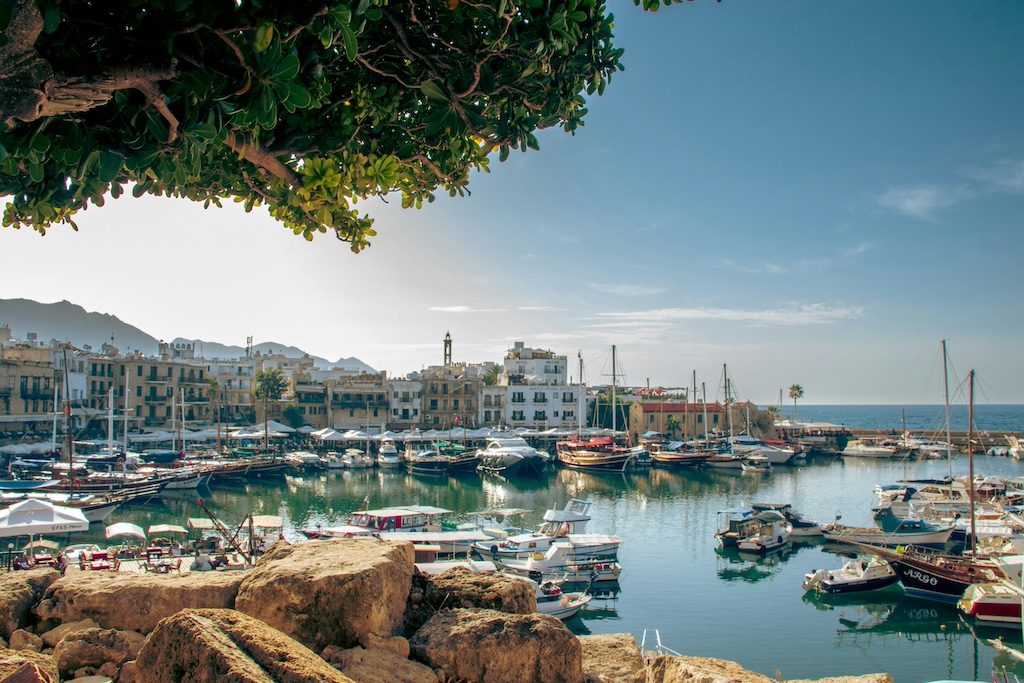
The island itself remains geographically removed from the regional conflict, and its tourism infrastructure never actually shut down. Beaches are still pristine, hotels are still operating, and restaurants are still serving exceptional Mediterranean food. What changed is simply the confidence level among major travel-generating markets.
For travelers seeking Mediterranean warmth without the peak-season chaos of Spain or Greece, this moment might be ideal. European hotspots are getting increasingly crowded, and Cyprus could offer that sweet spot of authentic charm with room to actually enjoy it. Similarly, if you're exploring how Middle Eastern destinations are navigating current conditions, Cyprus presents an interesting adjacent case study in recovery and resilience.
The real story here isn't about travel warnings or geopolitics. It's about an island destination fighting to reclaim its narrative after external forces briefly dimmed its light. Whether summer 2026 becomes a full recovery or merely a partial rebound will depend on how quickly travelers trust the revised signals and start booking flights.