Your flight is delayed. Instead of a vague gate update, your phone buzzes with a text explaining exactly what happened: weather in Denver, a mechanical issue, a late connection from another flight. That message? Likely written by artificial intelligence, not a person.
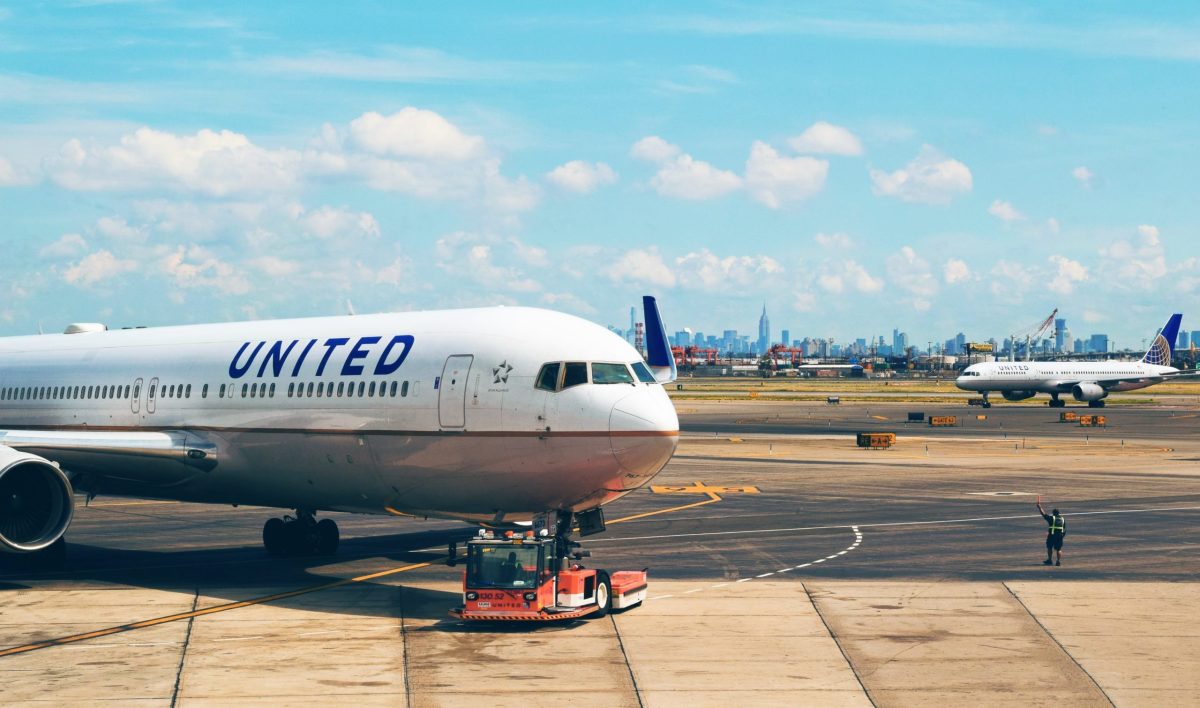
United Airlines is rolling out a fully automated system to handle delay explanations, part of a broader shift toward AI-powered customer communication across the industry. The airline's "Every Flight Has a Story" program, originally launched in 2018 with human writers shaping messages, is now moving toward complete automation. CEO Scott Kirby framed the vision simply: if you were on a delayed flight and asked what was wrong, what would the airline tell you? That's what passengers should get, he said, delivered instantly through text and digital channels.
The technology itself is impressive. United's AI system ingests real-time operational data and converts it into plain-language explanations passengers can actually understand. No more cryptic codes or corporate double-speak. The speed is a genuine upgrade. During a major disruption, thousands of passengers get personalized, clear information in seconds. That's faster than any human team could manage.
But here's where the story gets complicated. Removing human eyes from the process creates blind spots. When an AI-generated message is wrong or confusing, accountability becomes murky. Did the system misinterpret the data? Was the explanation unclear? Who at the airline takes responsibility? In aviation, where accuracy matters enormously during stressful situations, this gap in oversight poses real risks. Passengers receiving incorrect information during a disruption doesn't just damage trust; it can create worse problems downstream.
The Operational Arm of AI
United isn't just automating passenger communication. The airline is also using AI to make live operational decisions that directly affect your flight. A system called ConnectionSaver analyzes whether a flight should wait for connecting passengers or depart on time. It weighs real-time data on passenger locations, arrival times, and aircraft schedules to reduce missed connections while protecting network punctuality. At Denver International Airport alone, the system has helped save nearly 54,000 connections. That's automation with immediate, tangible consequences for travelers.
These tools exist because the aviation industry is under genuine pressure. Post-pandemic recovery created staff shortages and higher demand simultaneously. Passengers are more aware of delays and baggage problems than ever before. Airlines are racing to process information faster and reduce manual workload, and AI is the obvious tool for the job. Across the sector, automation is spreading from check-in to baggage handling to airport logistics, powered by sensor-based tracking and algorithmic decision-making.
Where the Trust Question Lives
The speed and efficiency are real benefits. But faster communication doesn't mean better communication if travelers don't understand how the information was created or can't verify its accuracy. When a human writes your delay update, you know someone reviewed it. When an AI does it, you know... well, you don't know much.
This matters more than it might seem. Airlines are competing increasingly on digital experience, using speed and clarity as differentiators. United sees AI-powered communication as both an operational upgrade and a branding tool, a way to build loyalty through better service. That's smart business. But it only works if passengers believe what they're being told.
The wider industry is moving in this direction too. More of your journey is being automated with every passing month, from delay notifications to rebooking support and baggage tracking. The pace will keep accelerating as airlines hunt for efficiency gains. What matters now is whether they can maintain transparency alongside that automation. Can passengers trust a system they don't fully understand? Can airlines guarantee accuracy without human verification?
Those answers aren't settled yet. United's experiment will show whether AI can handle the responsibility of talking to anxious travelers during disruptions. For now, when that text arrives explaining your delay, you might want to remember: it came from data analysis, not from someone who actually watched your flight land.