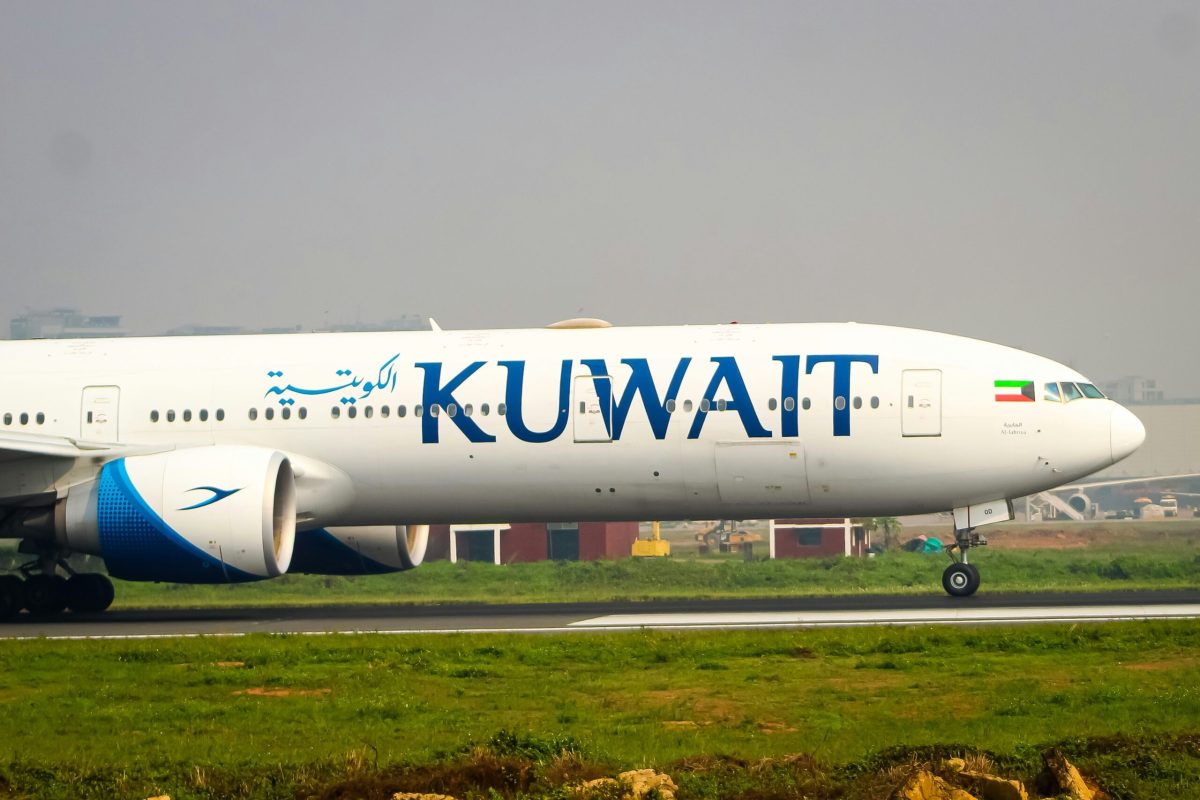
Kuwait International Airport went dark this week after Iranian drones targeted Terminal 1, the country's primary international hub. The strike left 63 people injured, one person dead, and critical airport infrastructure damaged enough to force a complete suspension of commercial operations. It's the second time in recent months that this vital travel gateway has been crippled by attack.
For travelers, the timing couldn't be worse. The airport had just reopened after repairs from an earlier Iranian strike in late February. Now passengers are once again facing cancellations, diversions, and uncertainty about when they'll be able to fly in or out. Airlines are rerouting around the Middle East, adding hours to regional journeys and straining the already fragile air corridor across the Gulf.
The Escalation Spiral
The attack didn't happen in isolation. Earlier that week, the US military struck Iranian facilities on Qeshm Island in the Strait of Hormuz, citing Iranian missile launches targeting Kuwait and Bahrain. The Iranian Revolutionary Guard Corps fired back, claiming they were hitting American military assets including the headquarters of the US Navy's Fifth Fleet in Bahrain. Kuwait and Bahrain's air defense systems intercepted missiles and drones, but not everything landed where attackers intended.
What started as a tactical exchange has snowballed into something far messier. The conflict keeps dragging in new players and new targets. Lebanon is now tangled into negotiations because Iran insists any ceasefire must address the situation there, where Hezbollah remains locked in combat with Israel. Diplomatic talks have stalled while military operations accelerate.
When Civilian Infrastructure Becomes a Target
The real casualty here isn't just Kuwait's airport. It's the entire principle that civilian infrastructure should remain off-limits during military conflicts. Video showing terminal damage reveals how airports and government buildings have become fair game in this expanding conflict. Kuwait has been hit repeatedly since February: a drone strike on a US operations center at Port Shuaiba in March, damage to a government building in Kuwait City in April, and now this.
The United Arab Emirates condemned the latest attack as a dangerous escalation and violation of international law. They also flagged damage to diplomatic missions, noting that such strikes breach the Vienna Convention on Diplomatic Relations. When embassies start getting targeted, you know the conflict has spilled well beyond military targets.
What It Means for Your Travel Plans
The airport closure creates a domino effect across the entire region. Cargo operations are disrupted, passenger flights are rerouted, and Gulf airspace remains under heightened military scrutiny. Flight tracking data shows aircraft diverting from Kuwait as the chaos unfolds. If you had a connection through Kuwait or planned to spend time there, you're looking at major delays and routing changes.
This isn't just an inconvenience. The broader rerouting around the Middle East means longer flights, higher fuel surcharges, and less predictability on what was once a reliable transit zone. Some carriers have already pushed schedules back, choosing to wait for stability rather than risk operations in an active conflict zone.
The Diplomatic Stalemate
Behind the scenes, ceasefire talks are struggling to keep pace with military developments. Iran reportedly halted communications with mediators, though US President Trump contested that claim, insisting negotiations were ongoing. The gap between what diplomats say is happening and what's actually happening on the ground grows wider by the day.
As military escalation continues, the risk that more civilian infrastructure gets caught in the crossfire only increases. Kuwait's airport closure serves as a stark reminder that major transit hubs remain vulnerable when regional tensions spin out of control. Until diplomats find solid ground, travelers should expect more disruptions, more diversions, and more uncertainty across the Gulf.