If you've been paying attention to the overtourism conversation sweeping Europe, Ulva's latest move might feel like a shock. This impossibly small Scottish island in the Inner Hebrides just decided to close its doors on Sundays during summer. Not permanently. Just to breathe.
What triggered this? The BBC Scotland series "Banjo & Ro's Grand Island Hotel," which follows interior designer Banjo Beale and his husband Ro Christopher as they restore Ulva House, a historic property on the island. Since the show aired, ferry operators have reported what they're calling "unprecedented interest" in a place that, until recently, most travelers had never heard of.
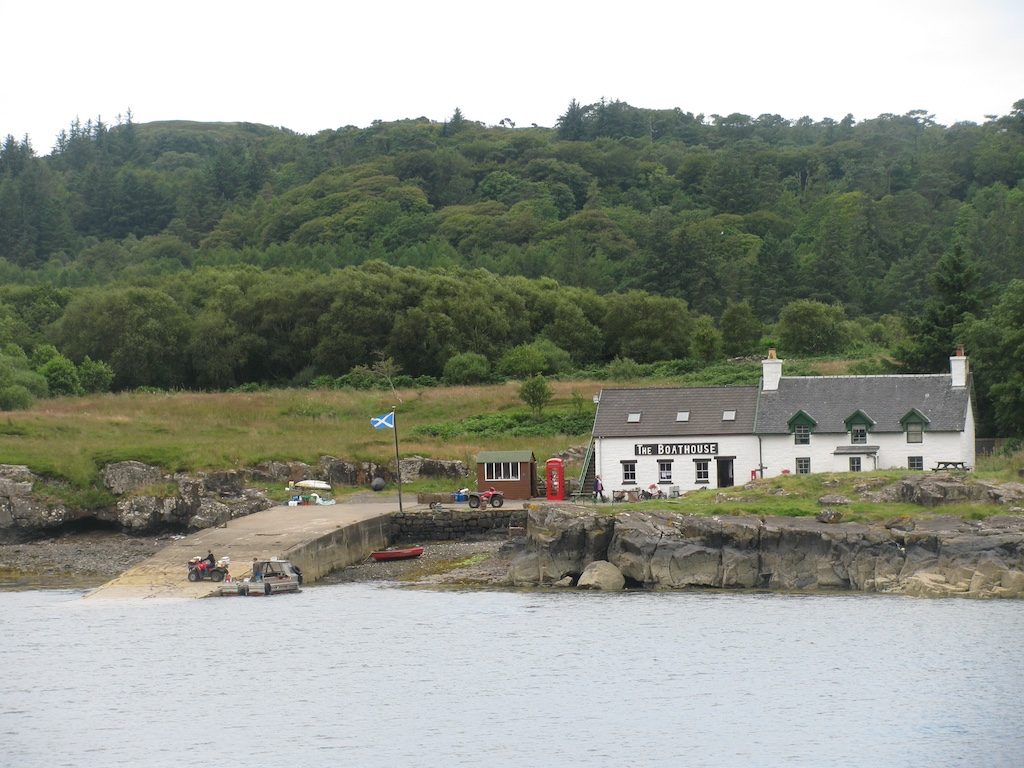
To reach Ulva, you take a five-minute ferry ride from the Isle of Mull. There are no paved roads once you arrive, no vehicle rental agencies, no infrastructure built for crowds. You walk or ride in a small utility vehicle. The ferry is your only lifeline to the outside world. So when demand exploded beyond anyone's predictions, the 16 people who actually live here faced a real problem.
Andy Primrose, who runs a small hostel on the island, spelled it out plainly: "It all comes down to capacity. All these businesses are based on individuals, and there's only 16 folk here, and some of them are children. There is a natural limit to what you can do." The Boathouse, the island's central gathering spot for food and harbor views, was getting slammed. Ferry operators confirmed the scale of visitation had grown far beyond what anyone predicted. One day a week off became not a luxury but a necessity.
This isn't an isolated story. Overtourism is reshaping small communities across the globe. In Slovakia, residents of the UNESCO-listed village Vlkolínec have actually called for the village's World Heritage status to be revoked, arguing that the tourism pressure has made daily life unsustainable. What links these places is how quickly media exposure can transform a quiet corner into a destination bucket-list essential, whether the local community is ready or not.
Ulva's story has a longer arc worth understanding. The island was community-owned in 2018 when the North West Mull Community Woodland Company purchased it. At that time, only six people lived here. The population has since grown to 16, and the long-term vision has always balanced economic activity with actual community survival. Tourism was meant to be part of that equation, but in a controlled, manageable way.
Despite the new Sunday closure, Ulva remains magnetic for good reason. The island offers wild cliffs, open moorland, quiet beaches, and panoramic views across the Inner Hebrides. You might spot seals, otters, or dolphins. Puffin colonies inhabit nearby waters. The Boathouse serves local seafood in an actual harbor setting, not some manufactured restaurant experience. This is real.
The Sunday shutdown is temporary, operating only through summer when visitor numbers peak. But it reveals something worth thinking about when you plan your travels: some places stay special precisely because they're hard to reach, limited in capacity, and run by people with skin in the game. If you're thinking about visiting Ulva, Monday through Saturday still has availability. Just understand that when you do, you're stepping into someone's home, not a theme park.