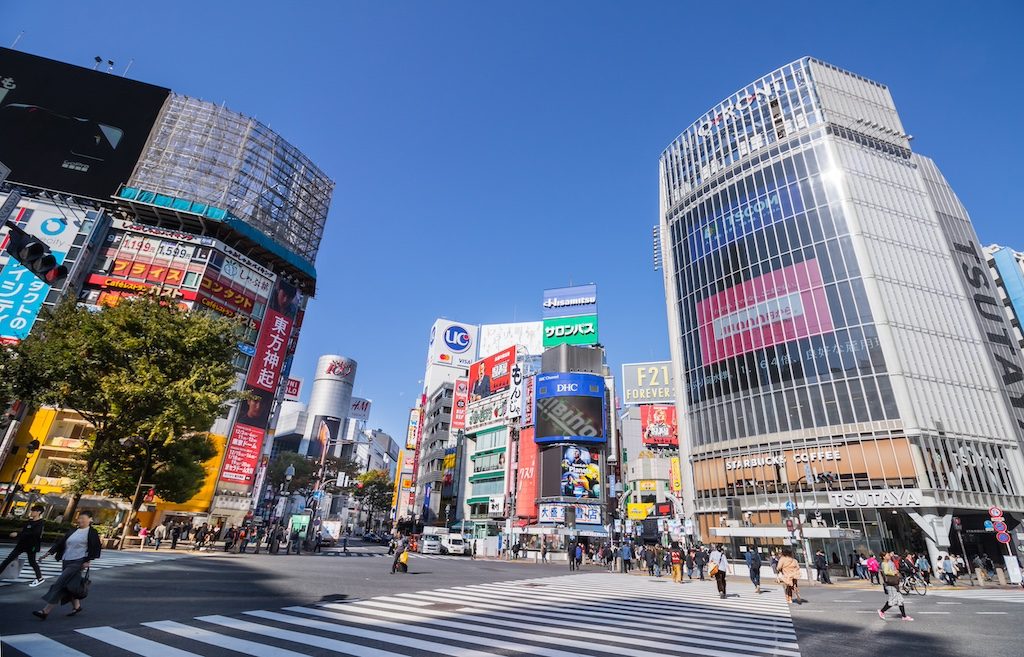
Walk around Shibuya Crossing on any given day, and you'll see why local officials are desperate. Forty-two million international visitors poured into Japan in 2025 alone, and many of them didn't get the memo about Japan's unusual approach to public trash. Now Shibuya ward is taking matters into its own hands with a new enforcement system that hits visitors where it counts: their wallets.
Starting immediately, anyone caught littering in Shibuya's streets and parks faces a 2,000 yen fine (roughly 10.75 euros), payable on the spot. The enforcement team includes about 50 patrol officers, many fluent in English, Chinese, and Korean, to ensure visitors understand the rules the moment they're stopped. You can pay via cash, credit card, or QR code. The campaign's slogan is direct and hard to miss: drop trash, lose cash.
The decision didn't come lightly. Ward authorities say previous attempts to manage the problem, including awareness campaigns and warning signs, simply weren't working. "We cannot tolerate littering simply because there are no rubbish bins," officials stated, acknowledging one of the biggest sources of confusion for travelers. Unlike most Western cities, Tokyo has virtually no public trash receptacles, which baffles newcomers but is standard practice here. A government survey found that over 20 percent of tourists rated the lack of bins as their biggest inconvenience while traveling in Japan.
Why Japan's Streets Are Surprisingly Empty of Garbage Cans
To understand Shibuya's new policy, you need to know the backstory. After the 1995 Tokyo subway sarin attack, authorities removed countless public bins from train stations and busy areas as a security measure. Decades later, those bins never came back. Similar concerns about hidden explosives reinforced the decision over the years. Today, Japanese residents simply carry their trash until they find a convenience store or designated disposal point. Most locals navigate this without thinking twice, but for visitors expecting bins on every corner, it's bewildering.
The lack of bins isn't laziness or indifference. It's a deliberately designed system that works perfectly once you understand it. That's the gap Shibuya is trying to bridge with enforcement and clear messaging.
A Broader Pattern Across Japan's Tourism Boom
Shibuya isn't alone in feeling the strain. As travel restrictions ease worldwide, destinations from Kyoto to Mount Fuji are grappling with overtourism. Some areas have cancelled major events because organizing them safely became impossible. Others are experimenting with digital tools that show real-time crowd levels, helping visitors spread out to less congested times.
National authorities are layering on new measures too, including higher tourism-related taxes and crowd-management systems designed to distribute visitors more evenly across regions. The infrastructure is evolving to handle the surge, with innovations like robot workers at Tokyo's airport helping manage the volume. Still, no amount of technology solves the fundamental issue: more people means more pressure on local systems and communities.
What This Means for Your Shibuya Visit
If you're planning a trip to Tokyo, the lesson is simple: carry a small bag for your trash. Convenience stores, train stations, and shops will accept what you need to dispose of. Don't assume public bins exist. This isn't a punishment; it's just how Japan works. The new fines in Shibuya are a wake-up call for those ignoring the system, but for prepared travelers, it's business as usual.
The campaign represents a shift toward stricter, more visible enforcement in public spaces across the city. Shibuya is essentially saying: our neighborhood is world-class, the rules apply to everyone equally, and yes, we will enforce them. It's a stance many major cities are taking as they balance welcoming visitors with protecting local quality of life. Whether you see it as tough love or just good urban management probably depends on which side of the fine you're on.