Southwest France and central Spain are facing an unprecedented summer crisis. As of late July 2026, authorities have evacuated roughly 375,000 people across both nations, with more displacement likely as scorching temperatures return. These aren't isolated incidents. They're the defining travel disruption of the season, and anyone considering a visit to Iberia or the Pyrenees corridor needs to understand what's happening on the ground.
France's Historic Fire Season Gets Worse
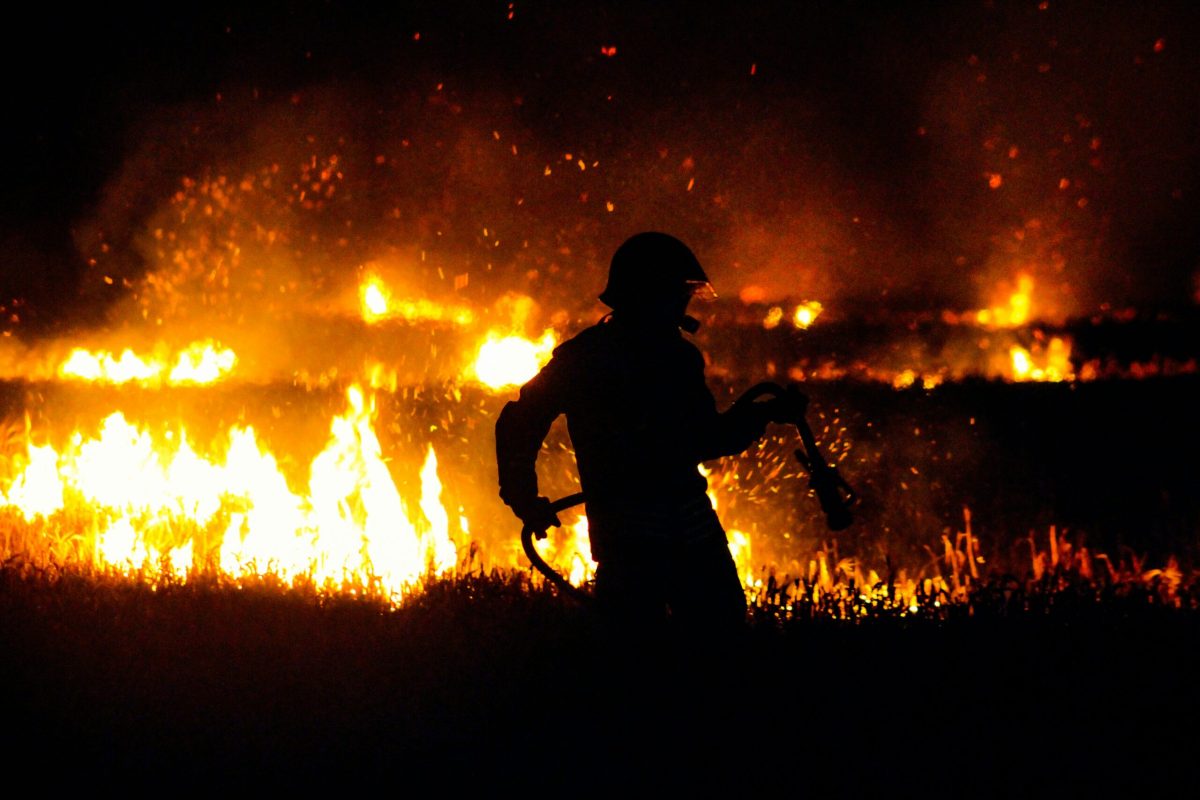
The Gironde department near Bordeaux, one of France's most visited wine regions, ignited on July 22 and has devoured an estimated 42,000 hectares since then. The blaze swept through 23 towns, displacing 220,000 residents and tourists alike. Hotels, vacation rentals, and campgrounds emptied in hours. Around 240 homes burned completely. Some 2,500 firefighters mobilized, yet 84 suffered injuries battling the flames.
The situation took a chilling turn when the Gironde fire developed what scientists call a pyrocumulonimbus, an extreme phenomenon never recorded in France before. The blaze generated its own thunderstorm fueled by wind and lightning created by the heat itself, making containment exponentially harder.
Just 48 hours later, a second major fire erupted in nearby Biscarosse in the Landes department, consuming 3,600 hectares and forcing additional evacuations. A third blaze in Var scorched 4,500 hectares, mobilizing another 1,000 emergency workers. Air quality plummeted across four departments (Gironde, Landes, Dordogne, and Lot-et-Garonne), forcing authorities to distribute masks to residents, elderly people, and children.
Regional prefect Sophie Brocas issued a stark advisory on July 27: don't travel to southwest France for days or weeks. If you're already there, leave. The timing couldn't be worse. A fourth heatwave was forecast to strike Tuesday, July 28, potentially reigniting containment efforts and expanding the burn zone.
Spain's Record-Breaking Destruction
Spain's wildfire season is equally catastrophic. Since January 2026, blazes have consumed over 170,000 hectares nationwide, nearly six times the total from all of 2025. The biggest fire ravaged 25,000 hectares near Avila, marking Spain's largest wildfire in recent history. Separate infernos near Madrid and Valencia forced 76,000 people to evacuate while another 30,000 remained confined to homes.
Spanish Prime Minister Pedro Sanchez addressed the scale of the crisis bluntly: "What we are living through is not a series of isolated incidents...it is the most painful manifestation of a climate emergency that is making wildfires more voracious and heatwaves more frequent." The fire near Madrid slowed overnight but remained active and wholly uncontrolled, with some residents allowed to return home but warned to stay cautious.
Extreme heat of 39 degrees Celsius (102 degrees Fahrenheit) combined with strong winds created walls of flame so violent that 3,000 emergency responders were forced to retreat at various points. The situation remains fragile despite no new mandatory evacuations being issued as of the latest reports.
What This Means for Travelers
If you had bookings in Bordeaux, the Landes region, or anywhere near Madrid during late July or early August, contact your hotel, rental agency, or airline immediately. Many accommodations have already closed voluntarily. Insurance policies vary wildly, so check what your coverage includes before assuming refunds or rebooking are automatic.
The bigger picture: Spain and France continue attracting massive numbers of visitors, but climate extremes are reshaping when and where those visits remain safe. Wildfires are becoming less of an anomaly and more of a seasonal reality in Mediterranean Europe. Consider shifting travel to these regions earlier in the year, or exploring alternatives like nearby destinations with different geographic vulnerabilities.
Check air quality indexes before traveling to any department within 100 kilometers of active fires. Respiratory issues spike during and after major blazes, especially for children, seniors, and anyone with existing lung conditions. Power outages, internet disruptions, and road closures are common consequences that don't always make international news.
This is the new reality of summer travel in southwestern Europe. Plan around it, stay flexible with bookings, and monitor official alerts from regional governments. The romance of a Bordeaux wine tour or Madrid escape remains real, but timing and awareness matter more than ever.