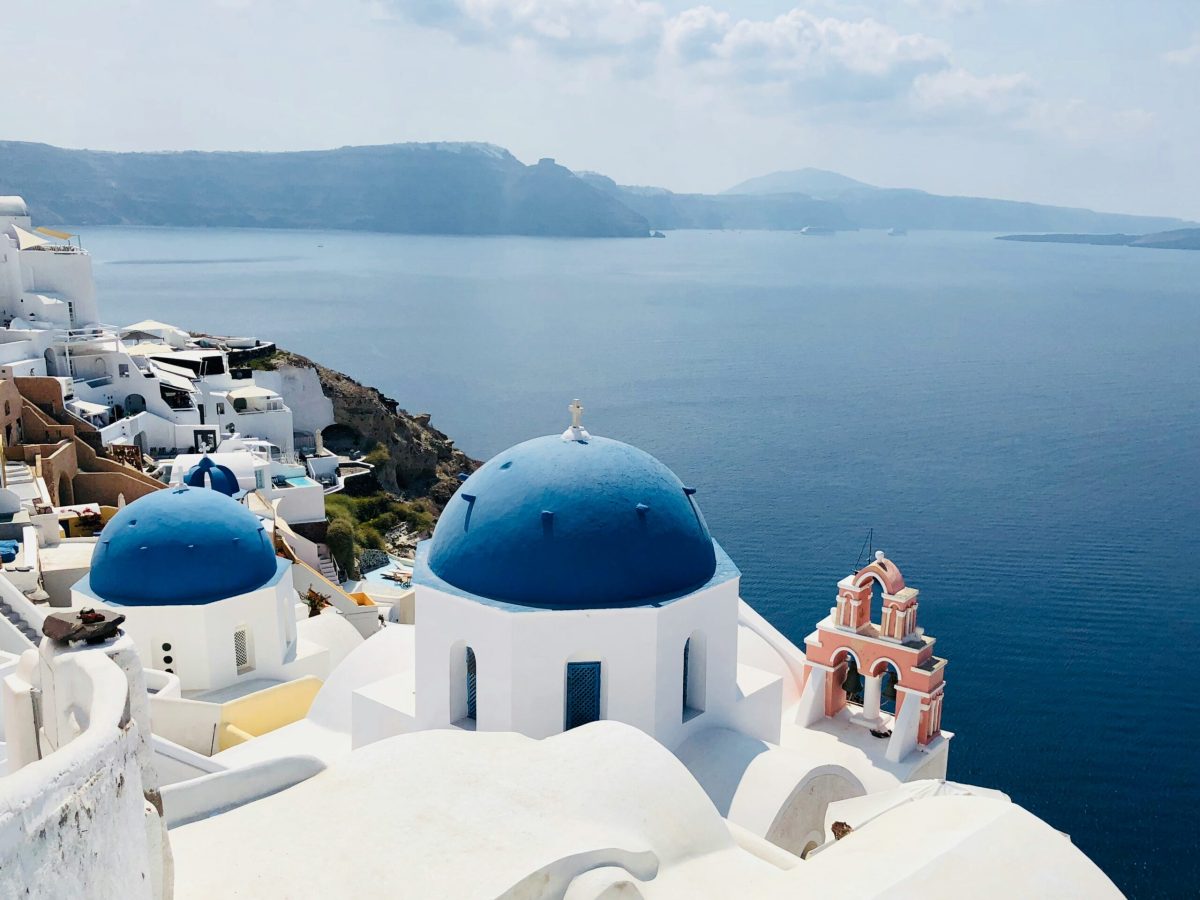
The postcard image of Santorini, with its whitewashed houses tumbling down volcanic cliffs, has drawn millions for decades. But as the summer crowds thin, the island is quietly rewriting its story. Alongside Mykonos, it is shifting focus from simple beach holidays to something richer, with gastronomy, culture, and wellness taking center stage.
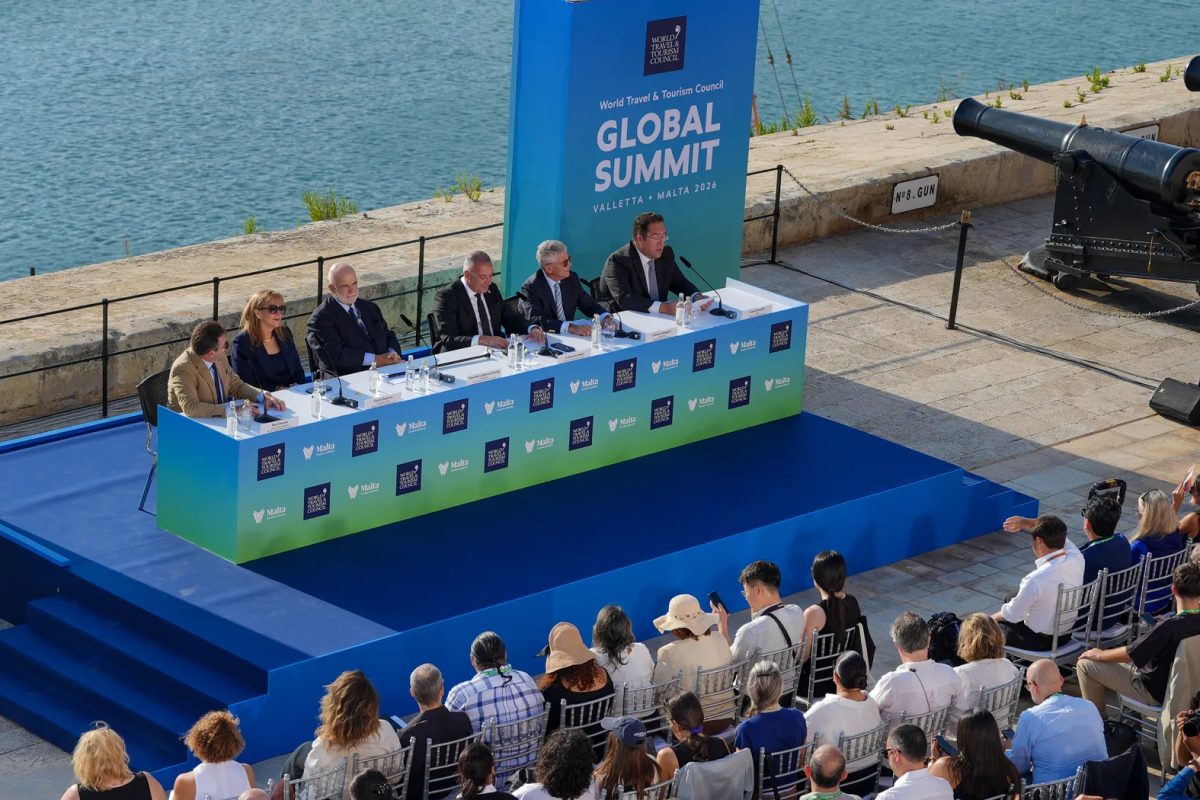
At the October GNTO Santorini Tourism Forum 2026, Greek tourism officials laid out a new vision. The goal is to pull visitors beyond the clichéd caldera views and into the island's vineyards, kitchens, and artisan workshops. The new promotional campaign will spotlight authentic local experiences, from pottery classes to food production, rather than just another sunset photo op.
What Travelers Really Want Now
The shift is driven by data. The United Kingdom, France, and Germany remain the top source markets, and their travelers are changing. British visitors increasingly seek distinctive, premium experiences, especially around food and wine. The French, whether solo or as a couple, prefer active vacations in shoulder seasons, with culture high on the list. Germans and Austrians, whose numbers are up seven percent, are also drawn to nature excursions and off-the-beaten-path activities.
Stavroula Skaltza, who heads the GNTO office for Germany, Austria, and neighboring markets, notes that many of these guests are repeat visitors. They have already done the classic island tour. Now they want something different, something that feels personal and memorable.
Beyond the Caldera
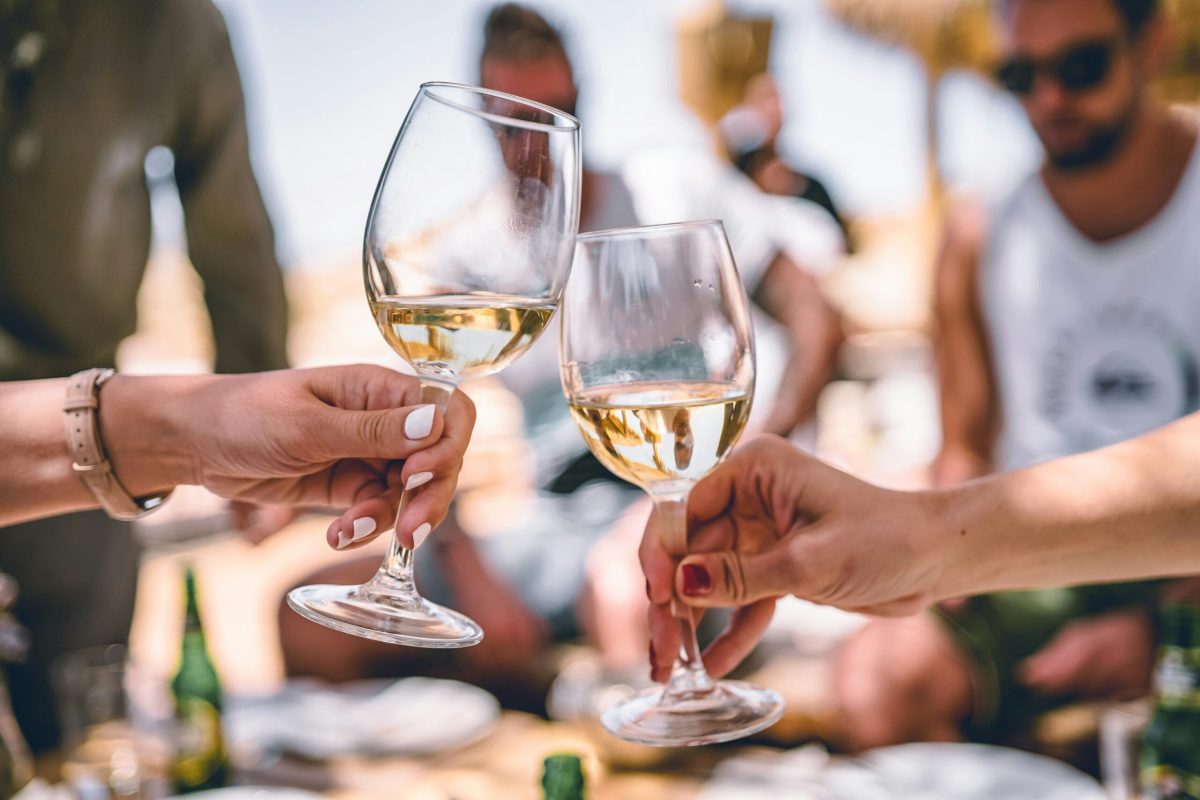
To make this happen, the GNTO is doubling down on its partnership with the MICHELIN Guide. Santorini has just been added to the guide's map, a nod to its growing culinary reputation. A new digital campaign, featuring 32 short videos, will soon flood social media with these authentic moments. Think cooking classes, wine tastings, and cultural events that let travelers connect with the island on a deeper level.
Georgia Nomikou, president of the Thira Municipal Council and Tourism Committee, puts it simply: "The visitor does not simply remember a standard sightseeing programme but returns home carrying the moments that moved them." That is the new goal, and it is a far cry from the old model of sun, sea, and selfies.
Getting There Is Half the Battle
None of this matters if travelers cannot reach the islands easily. Fortunately, air connectivity is improving. Transavia has extended its Santorini flights from Paris, Nantes, and Lyon through November, catering to those shoulder-season explorers. And for the British market, Jet2 has announced a new May to October schedule for 2027, with weekly departures from Leeds-Bradford Airport.
These additions are crucial. They open up the islands to travelers who want to avoid the summer crush and experience a more laid-back, authentic side of Greek life. Longer stays and higher spending are the expected payoff, as visitors trade quick beach hops for immersive weeks.
Of course, the challenge is making this year-round vision stick. Other destinations have tried similar pivots, with mixed results. Barcelona's new tourism strategy says no to more visitors, focusing instead on quality over quantity. Santorini and Mykonos are taking a page from that playbook, betting that culture and cuisine will keep the islands vibrant without overwhelming them.
There is also a broader context here. Greece just broke its own tourism record with 20.4 million visitors, generating €13.5 billion in the first seven months of the year. That momentum is a double-edged sword. It brings revenue, but also pressure on infrastructure and local communities. Sustainable management is the key to long-term success, ensuring that the landscapes that made these islands famous are preserved for generations to come.
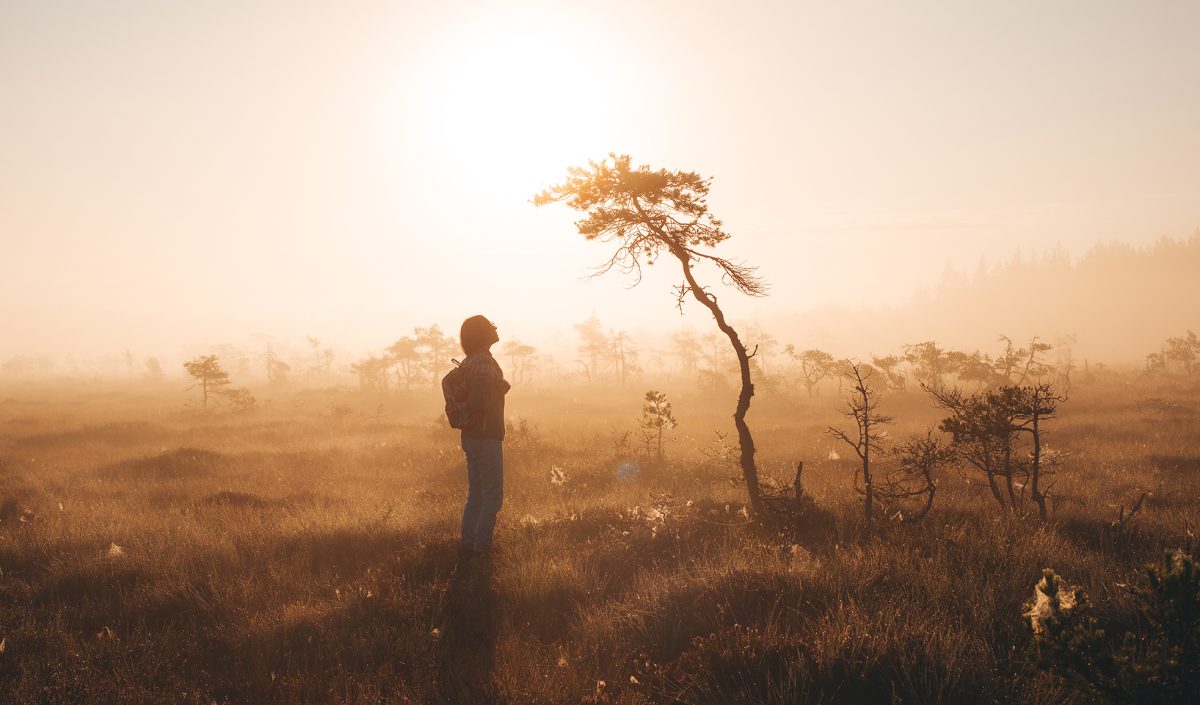
For travelers, this shift means more reasons to visit beyond the obvious. Whether you are sipping a crisp Assyrtiko on a vineyard terrace, molding clay in a local workshop, or hiking the caldera rim at dawn, the new Santorini and Mykonos offer something deeper. They are no longer just destinations. They are experiences waiting to be lived.
And with better flights and a growing calendar of cultural events, there has never been a better time to see what lies beyond the postcard. Sixteen cities just made the cut for Europe's new tourism crown, but these Greek islands are carving out their own path, one that rewards the curious traveler with memories that last long after the tan fades.