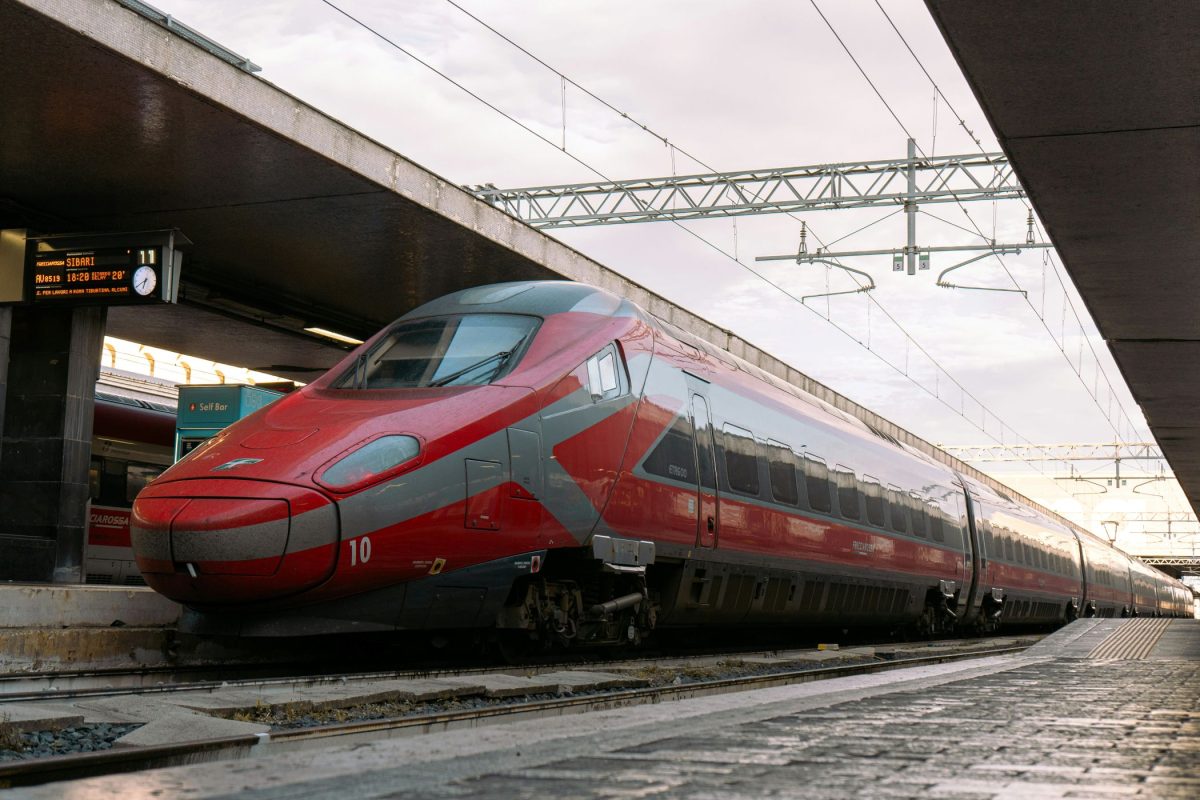
Something remarkable is about to happen on the Finnish-Swedish border. After roughly 35 years of silence, the Tornio-Haparanda rail line is coming back to life. When passenger services launch in late June, Finland will finally plug into continental Europe's train network for the first time since the Cold War ended. No champagne bottles or ribbon-cutting ceremony can capture what this actually means for travelers.
The practical upshot? You'll soon be able to board a train in the Arctic forests of Finnish Lapland and ride for roughly 5,000 kilometers all the way to the Algarve beaches in southern Portugal. That's not just a long trip. That's the longest continuous rail journey in Europe, a record that speaks directly to rail's quiet renaissance as the thinking traveler's way to move across the continent.
Why now? Aviation has become a mess. Rising fuel costs, geopolitical reshuffling, and rerouted flights have pushed people back toward trains. Travelers still want to move, but they're choosing slower, more stable routes. Finland and Sweden, which have spent the last few years trading the top spot for world's happiest country, are suddenly looking a lot more accessible. This link lets you experience both in a single fluid journey.
The bridge that couldn't be built until now
The real obstacle sounds absurd in hindsight. Finland and Sweden use different railway gauges. Sweden adopted Europe's standard 1,435mm track width. Finland, sitting in the Russian sphere a century ago, inherited the broader 1,524mm Soviet gauge. For decades, this incompatibility seemed insurmountable.
Then in 1919, right after Finnish independence, engineers pulled off something clever. They built a dual-gauge, four-rail track system across the Torne River bridge. Both train types could use it. The border station became a simple point where passengers walked from one system to the other. That same concept, updated with modern infrastructure, is being revived for 2026. Haparanda's historic station is getting restored as the handoff point where Finnish VR trains terminate and Swedish Norrtåg services take over.
Finland is investing 1.9 million euros to restore the line. By the 2030s, the service should be entirely state-financed on both sides of the border.
The record ride nobody's talking about yet
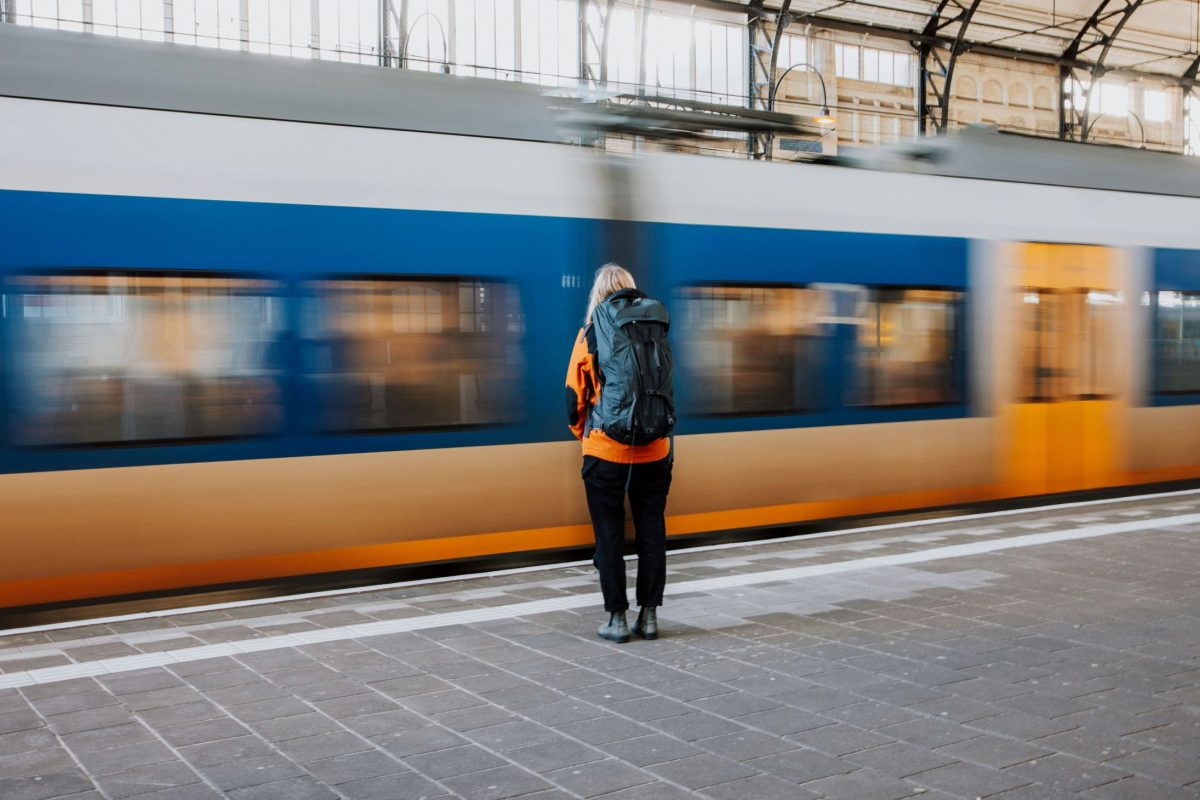
Here's what makes this genuinely special for rail enthusiasts and Interrailers. The Kolari-to-Algarve route isn't just long. It's long in the way that makes train travel actually interesting. You're crossing through multiple cultures, climates, and seasons. You're riding through forests that never see full darkness in summer, across Scandinavian coasts, down through Central Europe, and finally arriving at the Atlantic cliffs of southern Portugal.
Fair warning: this isn't for people in a rush. The full journey between Helsinki and Stockholm takes about 24 hours by rail versus 18 hours by ferry or a few quick hours by plane. Most travelers will break it into segments. But that's precisely the point. You're trading speed for what a window seat actually offers: time to read, watch, think, and let the landscape change around you.
Why this matters beyond backpackers
Finland hasn't had a regular international passenger rail connection since 2022, when Russia's invasion of Ukraine shut down the St. Petersburg route. This reopening represents something bigger than tourism. Finland's transport minister, Lulu Ranne, framed it as a security play, strengthening "resilience in times of crisis." When geopolitics gets messy, rail corridors become lifelines. They move people and goods through stable channels when flights get cancelled and borders get complicated.
The Bothnian Arc region, which sits between Finland and Sweden, has been waiting for cross-border mobility like this. Workers, students, and families separated by the border suddenly have a practical option. Tourism will follow.
Practical details for planning
The service launches in late June, timed perfectly for the summer travel season. That means long days in the north (nearly round-the-clock daylight in Finnish Lapland) and warm weather further south. You'll want to book early if you're planning the full 5,000km haul.
The journey rewards planning. Build in stops. Spend time in Stockholm. Explore the Swedish coast. Slow down in Copenhagen. The whole point of this route is that it exists now, which means you finally can.