Europe's skies are facing an unexpected threat, and it has nothing to do with weather. The International Energy Agency recently sounded an alarm that reverberates through every booking confirmation and flight itinerary across the continent: the region may have only six weeks of jet fuel remaining if supply disruptions continue unchecked.
The crisis stems from the Strait of Hormuz, a waterway so critical to global energy that it makes or breaks economies. This narrow passage typically funnels roughly one-fifth of the world's oil and gas through its waters. But for more than six weeks, tensions between Iran, the United States, and Israel have essentially shut down the flow. Europe, which relies on the Middle East for 75 percent of its jet fuel imports, is suddenly looking at a supply chain that's coming apart at the seams.
The Supply Chain Under Siege
Airlines don't have massive reserves they can tap for months. Jet fuel moves through a delicate network, and when one major source dries up, there's no easy workaround. Europe is scrambling to court alternative suppliers from the United States and Nigeria, but even with aggressive efforts to ramp up those imports, replacement volumes will likely cover only about half of what's normally shipped from the Gulf. Half is not enough. According to energy officials, if Europe can't replace at least 50 percent of lost Middle Eastern supplies, physical shortages could emerge at select airports, leading to flight cancellations and reduced flight frequency on certain routes.
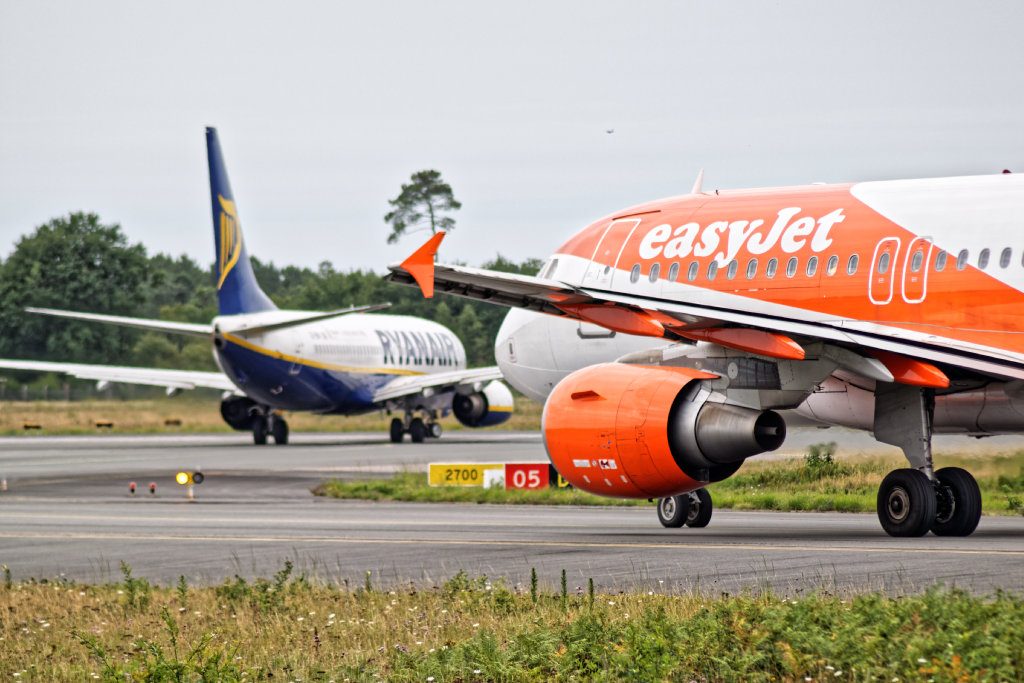
The clock is genuinely ticking. Jet fuel prices have surged 66 percent to $4.69 per gallon, with benchmark European prices hitting record levels. Since fuel typically accounts for 20 to 40 percent of what airlines spend to operate, carriers are already absorbing massive blows to their bottom lines. EasyJet reported an additional 29 million euros in fuel costs in March alone, despite hedging much of its fuel supply in advance. KLM went further, announcing cancellations of 160 European flights for the coming month due to rising costs. While the airline stressed it hasn't yet faced a physical shortage, the writing on the airport wall is becoming harder to ignore. European carriers are already navigating multiple operational challenges, and this fuel crisis adds another layer of complexity to an already strained system.
What Travelers Should Know Right Now
The European Commission maintains there's currently no shortage of fuel at the Union level, and crude oil supplies flowing to refineries remain stable. But the agency isn't hiding its concern. Supply pressures could mount quickly if disruptions drag on, and that matters most when you're planning a summer getaway. Europe's major hub airports will likely receive priority access to fuel supplies over smaller regional airports, meaning some routes could see disruptions before others. Heathrow and other tier-one destinations will keep their schedules intact while secondary airports face tighter allocations.
Analysts warn that even if the Strait of Hormuz reopens soon, the damage won't disappear overnight. Rebalancing global supply chains and restoring normal fuel flows could take weeks. That timing is terrible for Europe's peak summer travel season, when families book holidays, business travelers fill jets, and airports push their capacity to the limit.
The Domino Effect Beyond Aviation
This crisis extends far beyond delayed flights and cancellations. The International Energy Agency has flagged broader economic risks, warning that prolonged supply disruptions could push countries toward slower growth or even recession as energy prices remain elevated and supply chains stay tight. With more than 80 energy assets in the Middle East reportedly damaged and recovery potentially stretching across months or years, the outlook remains genuinely uncertain.
For now, European airlines and governments are in crisis mode, negotiating support measures and exploring alternatives to ease the economic pressure. Whether those efforts will prove sufficient to avoid meaningful disruption during the busy summer travel season remains an open question. If you're planning European travel in the coming weeks, keep an eye on airline schedules and be ready to adjust your plans if necessary. The window between now and a potential shortage is narrow, and the stakes for summer travelers are higher than they've been in years.