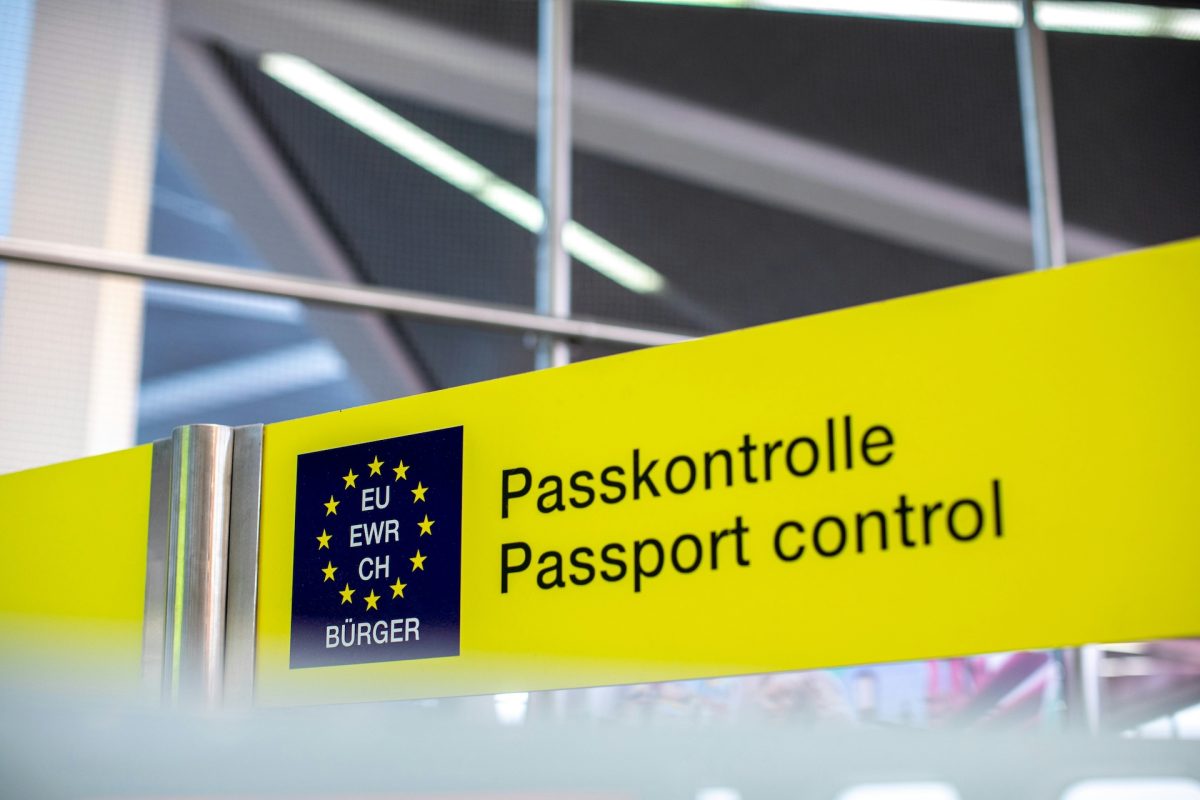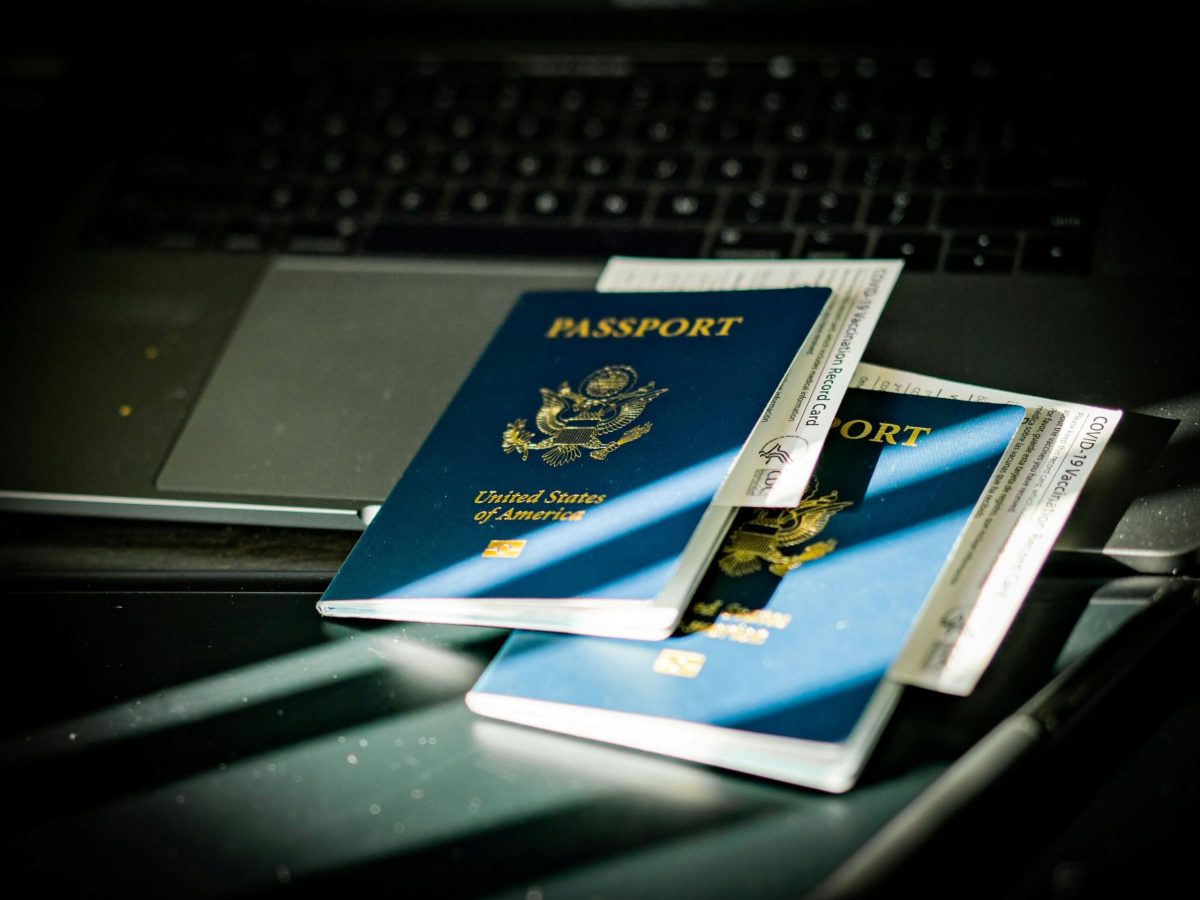
If you've booked a summer trip to Europe, you're about to meet the Entry/Exit System. Not as a gentle introduction, but as a mandatory checkpoint at nearly every border crossing in the Schengen Zone. After months of phased rollouts and travel industry hand-wringing, this new digital border control is now in full force across 29 countries, from Spain to Sweden, Austria to Iceland.
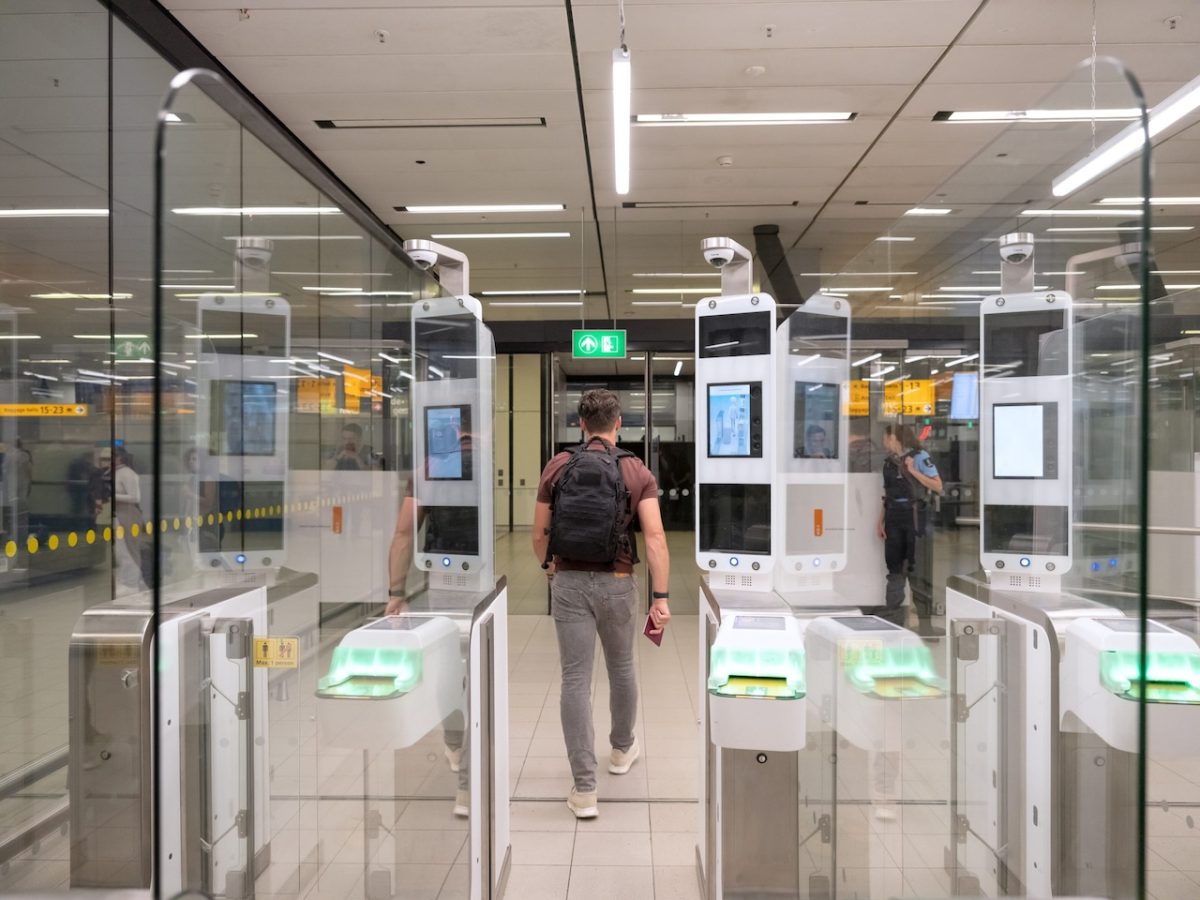
Here's what's actually happening at the gates. Instead of a border guard stamping your passport with a thud, you're now funneled into a kiosk where you surrender biometric data: your face, your fingerprints, your passport details, your entry date, and your exit date. The system is free, it applies to non-EU visitors staying 90 days or less within a 180-day window, and it's designed to speed things up long-term by storing your information digitally so you don't have to re-register every time you cross a border.
Sounds efficient. In practice, the first wave of travelers discovered something different. When only a fraction of arrivals had to register during the trial period, queues at some airports stretched past an hour. Now that the system is mandatory for everyone, and peak summer travel season is barreling toward us, airport operators are sounding alarms. Fiumicino Airport in Rome warned that if just 10 percent of their kiosks malfunction during a busy afternoon, wait times could hit 90 minutes. Europe's border system is already causing airport chaos at some hubs.
What Happens at the Border Now
The 29 countries operating the system include major travel destinations like France, Italy, Germany, Spain, Portugal, Greece, and the Nordic countries. (The complete list spans Austria, Belgium, Bulgaria, Croatia, Czech Republic, Denmark, Estonia, Finland, France, Germany, Greece, Hungary, Iceland, Italy, Latvia, Liechtenstein, Lithuania, Luxembourg, Malta, Netherlands, Norway, Poland, Portugal, Romania, Slovakia, Slovenia, Spain, Sweden, and Switzerland.) If you're planning to travel to Europe, you'll be recorded in this system at any external border of these countries.
Your first time through, you'll need to upload a facial photo, submit your fingerprints, and answer entry questions. This isn't done in five seconds. Travelers should budget extra time at the airport to account for the registration, especially if you're catching a connection. The system learns from your first registration, meaning subsequent entries should be faster since your data is already on file and just needs verification.
The Good News Is Coming
Two developments are making this slightly less painful. First, a mobile app is rolling out that lets you pre-register before you even arrive. In Portugal and Sweden, you can already use it up to 72 hours before your flight to upload your passport data, facial image, and entry questionnaire, generating a QR code to scan at the kiosk. That shaves minutes off your wait. Ground staff at Lufthansa and Eurowings are actively reminding non-EU passengers to use the app, which suggests how serious airlines are about preventing holiday travel from descending into gridlock.
The second silver lining: the trial period revealed what works and what doesn't. The Port of Dover installed separate lanes for EES registrations. Lisbon's airport brought in additional police officers to manage the flow. These lessons are now spreading across all 29 countries. The European Commission has also signaled it will continue allowing flexibility on checks through September 2026, giving airports breathing room while they optimize operations.
What the Numbers Tell Us
Early data shows the system is doing what it was designed to do, at least from a security perspective. In its first months, EES recorded 52 million crossings, flagged nearly 700 travelers as security risks, and denied entry to over 27,000 people. Beyond border control, multinational companies are also finding value. They can now download raw EES data to track exactly how many days their employees spend in the Schengen Zone for tax and compliance purposes.
Still, the summer ahead will be a test. Peak travel season combined with mandatory registration for everyone (instead of a sample) could create the perfect storm at major hubs. If you're traveling to Europe soon, arrive earlier than usual, use the pre-registration app if it's available in your destination, and pack patience. The system will eventually make cross-border travel smoother, but we're still in the adjustment phase.
For longer-term planning, if you're curious about passport options or want to understand the shifting landscape of European border policy, the Entry/Exit System is part of a larger conversation about how the continent manages movement. For now, just remember: get there early, register online if you can, and keep your biometric passport handy.