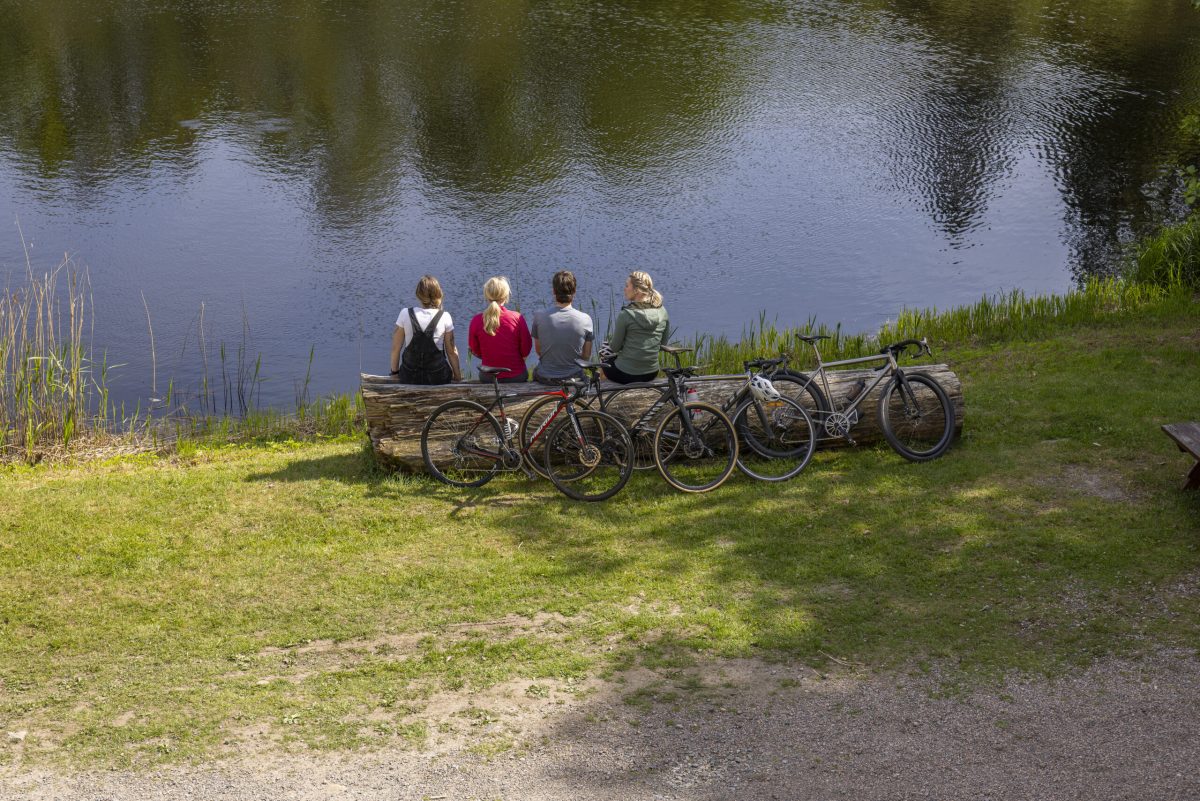
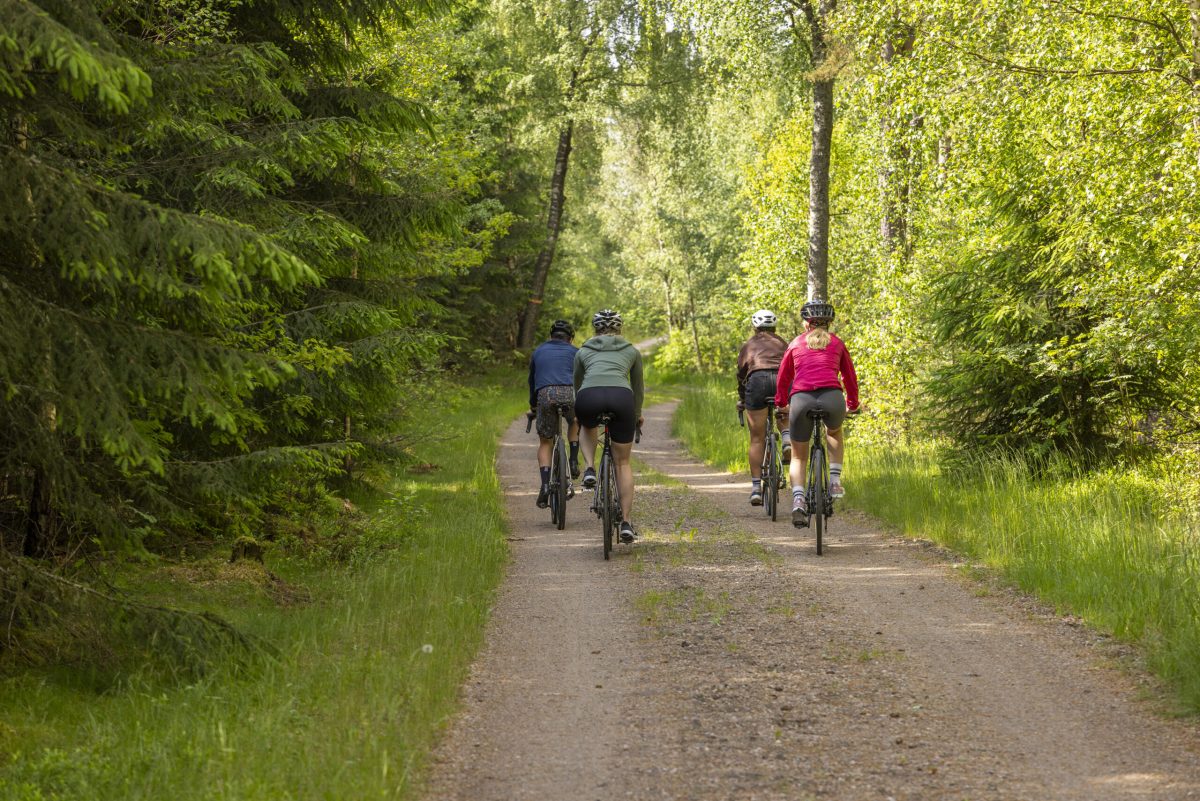
Mark your calendar for May 2026. Sweden is unveiling the Ljungleden, a 170-kilometer cycling trail that starts in Gothenburg and ribbons inland to Falköping, named after the heather wildflowers that paint the region purple each season. This isn't some rough backcountry adventure; it's thoughtfully designed for the full spectrum of riders, mixing smooth asphalt, quiet country roads, and manageable gravel sections that won't punish either your knees or your bike tires.
The route kicks off at Drottningtorget, the bustling central square in Gothenburg where you can hop off a train and onto your saddle within minutes. From there, you'll climb onto a converted railway embankment heading toward Sjövik, and suddenly the city fades behind you. What emerges is the kind of landscape that makes cycling worthwhile: dense forests giving way to open countryside, small villages appearing like unexpected gifts, and enough room to actually breathe.
Eat like a local between the kilometers
This trail doesn't just move your legs. It fuels your appetite in ways most cycling routes ignore. Around kilometer 30, you'll roll into Floda and find yourself at Folket på Garveriet, a beloved bakery and cafe sitting next to a castle stuffed with Arts and Crafts treasures. The coffee here isn't an afterthought; Sweden takes its fika (coffee break) tradition seriously, and Alingsås, which sits along your route, has made a whole identity out of perfecting this ritual. Tour the town, order a bun, and understand why Swedes have built an entire cultural institution around afternoon coffee.
Food tourism gets serious as you push deeper into Västergötland. Dahlbogården and Herrljunga farm shop belong to Sweden's Taste of Sweden network, meaning you're buying directly from regional producers and tasting ingredients that actually matter. This isn't roadside junk; this is fuel that tastes like place.
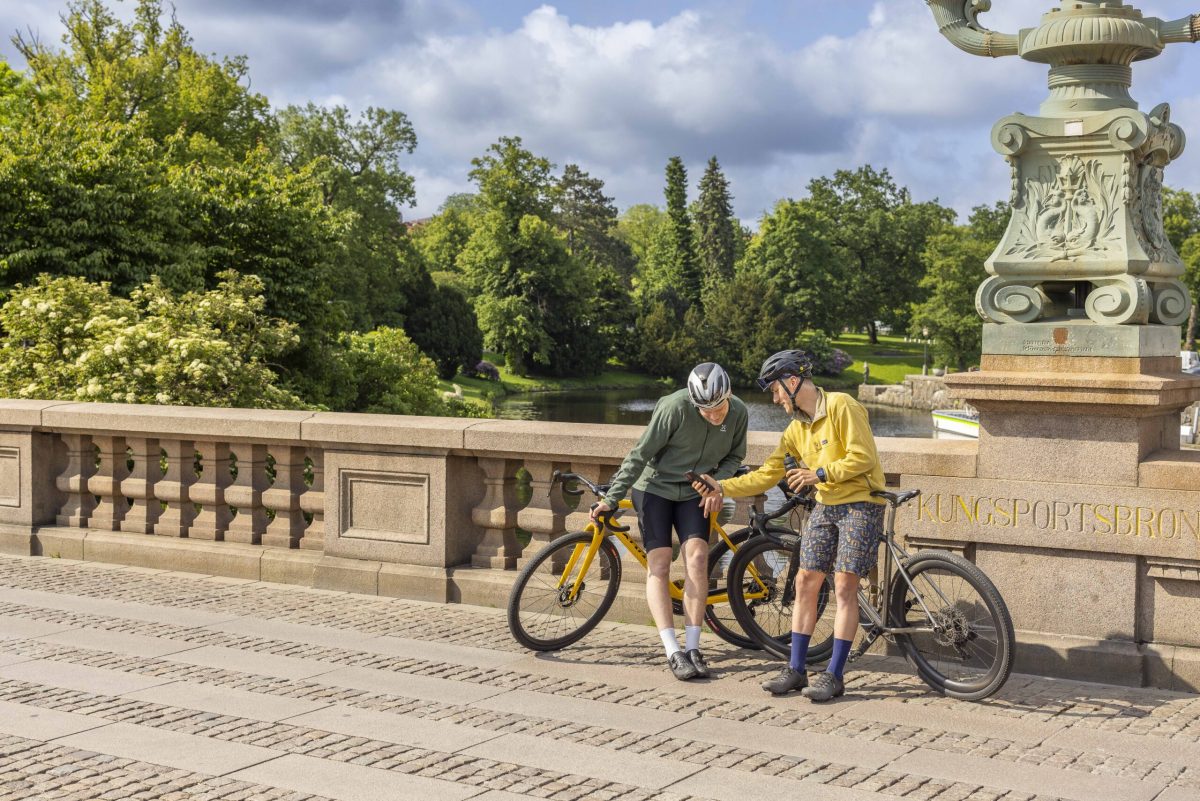
History you can actually ride through
The Ljungleden threads through cycling heritage too. A museum dedicated to the Fåglum brothers reveals how two Swedes carved themselves into Olympic and world championship glory during the 1960s and 1970s, proving that two-wheeled ambition didn't start in Italy or France. It's a humble reminder that cycling glory can emerge from quiet corners of northern Europe.
If medieval architecture speaks to you, the route connects seamlessly with the Ätradalsleden, which runs along abandoned railway embankments and passes Torpa Stenhus, one of Sweden's most intact medieval castles perched on Lake Åsunden. Summer guided tours and exhibitions open the doors to history that's survived centuries without needing Instagram to justify its existence.
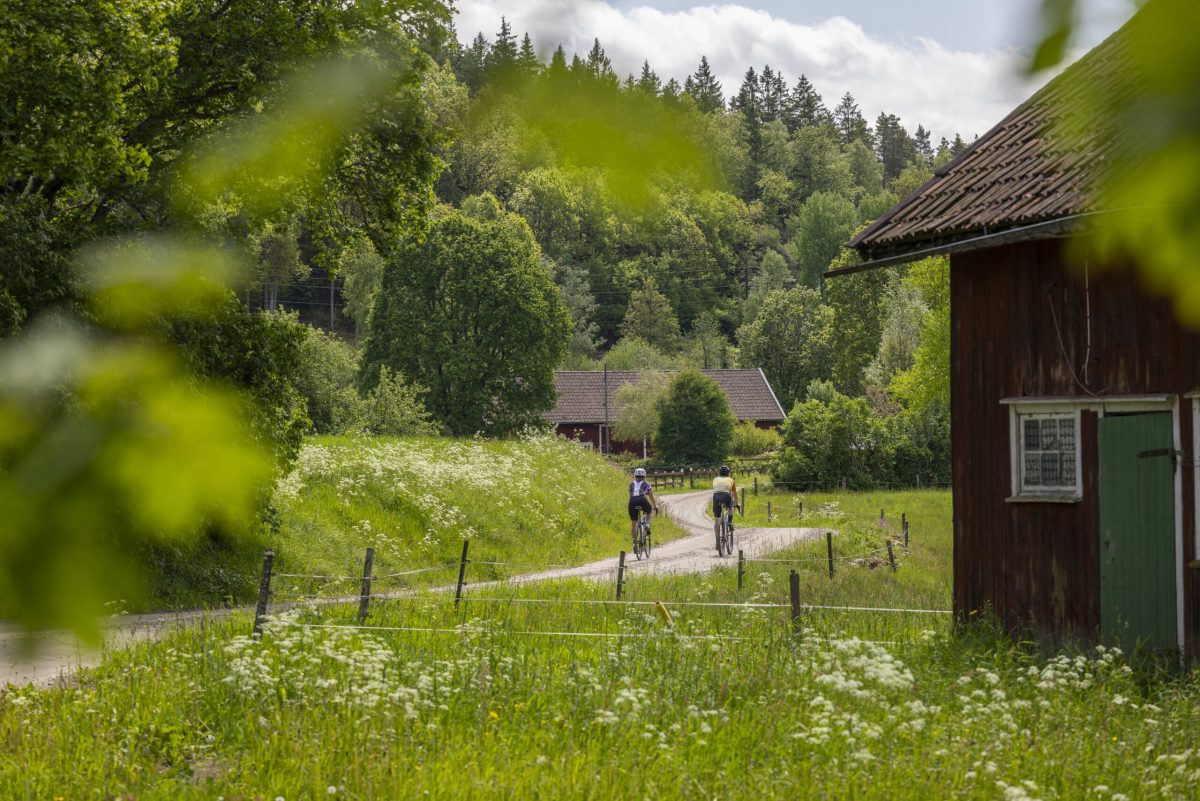
The flexibility factor
The beauty of 170 kilometers is that you don't have to ride it all at once. Accommodation options and rail connections pepper the route, so you can tackle segments across multiple weekends or chain them into one epic week. Some riders will treat this as a multi-day adventure; others will use it for day trips from Gothenburg, returning to city comforts each night.
For those who get hooked on Swedish cycling, the Ljungleden becomes a bridge between two other legendary routes. The Kattegatleden, which won European Cycle Route of the Year in 2018, stretches 390 kilometers from Helsingborg to Gothenburg along the coast, passing fishing villages, botanical gardens, and seaside bathhouses before reaching Kullaberg nature reserve, where rock climbing and hiking beckon. The Ätradalsleden offers an inland alternative, rewarding you with peaceful fields, lakes, and more farm cafes than you could hit in a month.
When May 2026 arrives, the wildflowers will be blooming and the Ljungleden will be ready. Pack your panniers, charge your phone, and get ready to discover why Swedes have figured out how to build cycling infrastructure that actually serves travelers rather than treating them as afterthoughts.