Andalusia is parched. The region just endured its driest year in three decades, and that was back in 2023. Even as 2024 and 2025 brought some relief, southern Spain remains locked in a six-year drought that has devastated olive groves, crippled agriculture, and pushed water management into crisis mode. Tourism hotspots like Huelva, Cadiz, and Malaga face genuine shortages as their concentrated populations compete with farms for dwindling supplies.
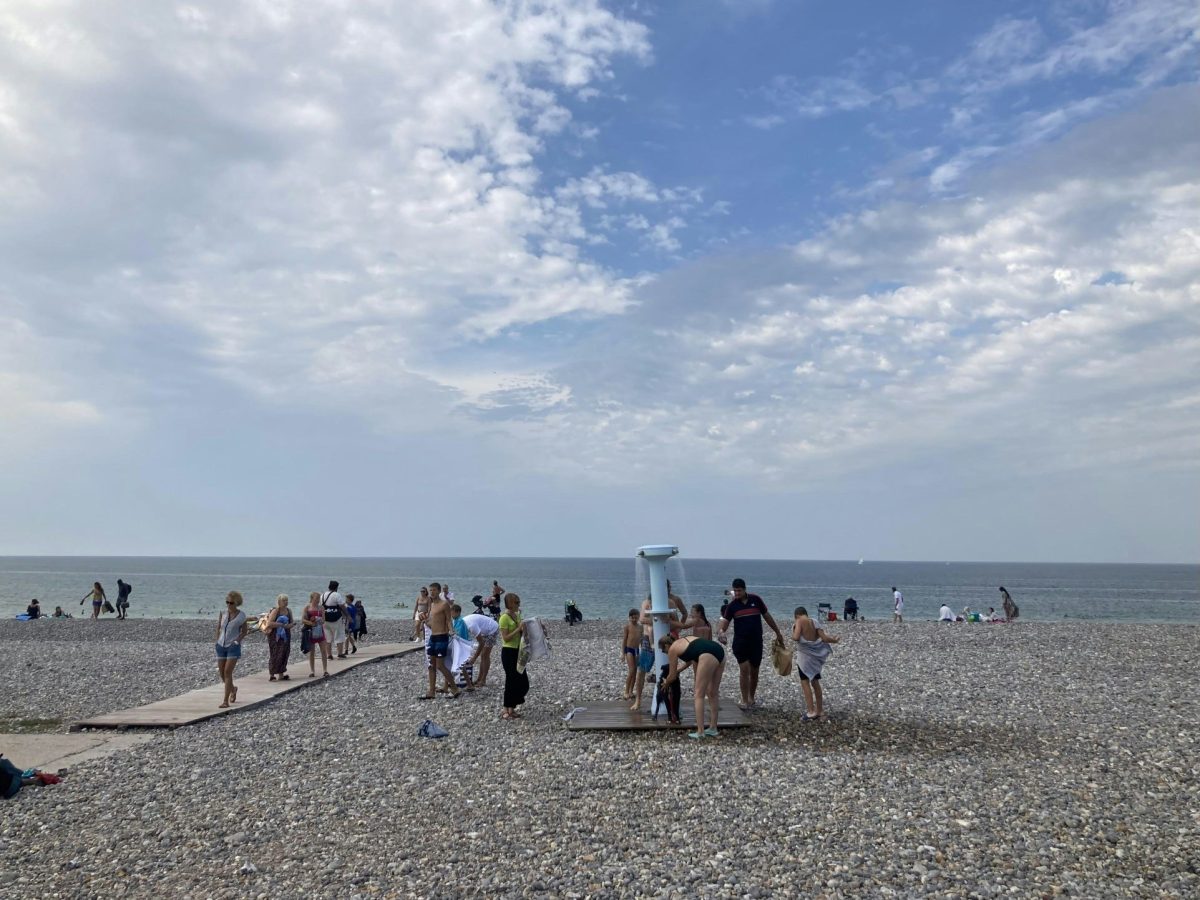
So what's a beach resort to do? Almonte Council decided to get creative. On Matalascañas beach, they've installed a "smart shower" that tracks water use with laser precision. The trial is free for now, but here's the catch: once it goes live, beachgoers will pay one euro per minute to rinse off. You activate it with coins or a QR code linked to your mobile payment app. Simple, right?
Wrong. The backlash was instant and brutal. Social media lit up with complaints from holiday makers who see this as yet another way to drain their vacation budget. Large families doing the math quickly realized that a quick rinse for four people could cost four euros. That's money not spent at beach bars, ice cream stands, or local shops. Some questioned the practicality of a system that requires a smartphone near water. Others pointed out that beach showers represent just 0.24% of regional water consumption, so targeting tourists for conservation feels like blaming the passenger for a fuel crisis.
The hypocrisy problem
Then there's the etiquette issue that few mention publicly. Many Spanish beach towns have started issuing fines for toplessness in public areas, pushing a stricter dress code on visitors. But if you can't afford to shower, you can't change into that clean T-shirt. You're forced to trudge through town covered in sand and seawater, which seems to defeat the purpose of the dress codes in the first place. Sardinia has already made waves with controversial beach restrictions, and Spain is heading down a similar path.
Some voices on the internet offered a counterargument. One Instagram user argued that free showers encourage waste, and that paying for water makes people think twice before letting it run. A family of four splitting a one-minute shower could theoretically get away with just one euro total. Fair point, but it assumes cooperation, rushed bathing, and families who'd rather squeeze together than argue about conservation ethics on holiday.
A symptom of something bigger
The real tension here reflects Spain's broader tourism struggle. Major tourism events already generate complex economic questions, and now even basic beach access is becoming transactional. Many Spanish citizens say they can no longer afford holidays at their own beaches, priced out by tourism infrastructure designed for international visitors. A paid shower feels like the final insult.
The irony cuts deep. Spain's tourism industry depends on the beach experience. Make that experience too expensive, and you're betting that travelers will pay for everything anyway. Alfaaz, the irony isn't subtle. As one Twitter user said when pointing out that parking, valet fees, and now showers all cost money, "That's not a beach day, that's a service menu."
Malaga already restricts some of its beach showers as part of the broader conservation push, but the Matalascañas scheme has touched a nerve. If one beach succeeds in charging for rinses, will others follow? Will Spain's coastline become a tiered system where premium resorts offer free showers while budget destinations charge? Water scarcity isn't a new problem for Europe, but how each country chooses to manage it in public spaces reveals something about their values.
For now, the trial continues with free showers while the council watches usage patterns and gauges public reaction. When those euros start dropping into the machine, Spain's beach culture will have shifted in a way that goes far beyond conservation. It will have become another luxury commodity, and that changes everything about what a beach day means.