The Channel Tunnel has been operating at roughly half capacity for years, carrying only a fraction of the passengers it could handle. Now, that's about to change dramatically.
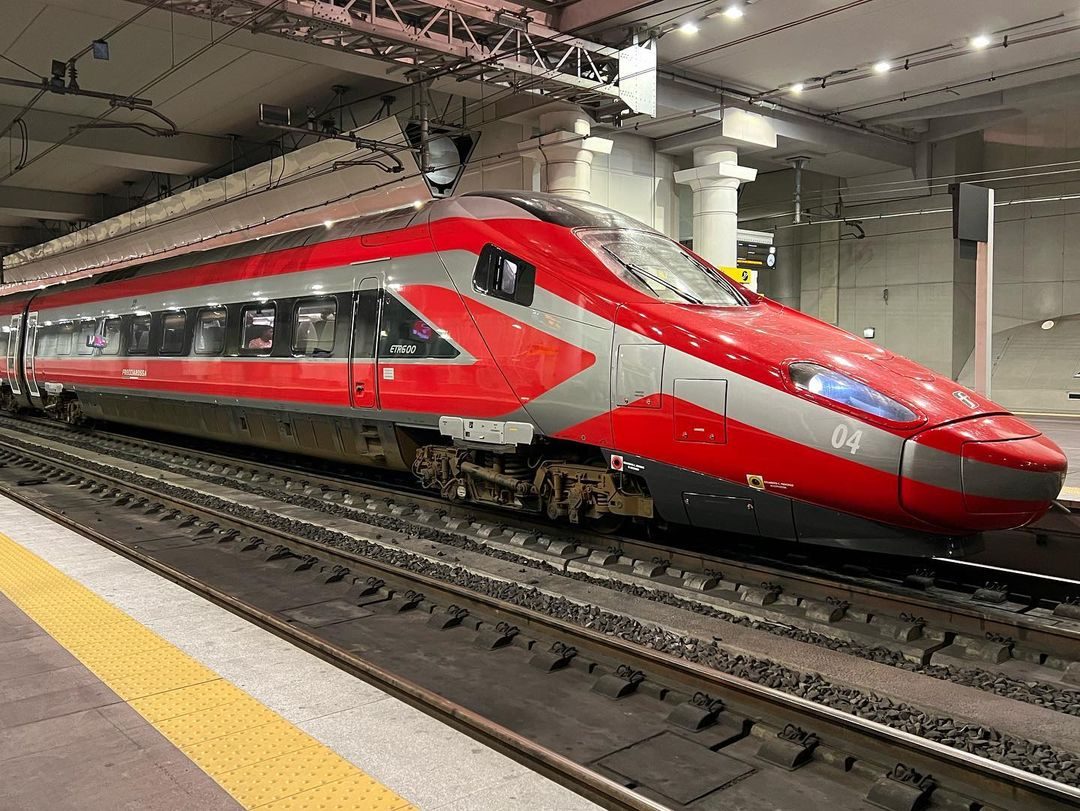
Italy's state-owned railway group FS Italiane just signed a massive €2 billion contract with Hitachi Rail to build 19 brand-new trains destined for a London-Paris route launching by 2029. This single order marks the end of Eurostar's three-decade stranglehold on cross-Channel rail travel and opens the door to genuine competition for the first time in the tunnel's history.
What Makes These Trains Special
The new fleet will arrive equipped with next-generation Wi-Fi that actually works, an onboard bistro for passengers who want more than a stale sandwich, and seating designed for comfort across all ticket classes. Real improvements matter when you're spending four hours on rails beneath the sea. These trains aren't just incremental updates either. They'll operate under Trenitalia France, FS Italiane's French subsidiary, giving the company a legitimate platform to compete on quality and price.
Beyond the trains themselves, FS Italiane is building an €80 million maintenance hub just outside Paris in Maisons-Alfort Pompadour. This facility solves a logistical nightmare that's hampered previous competitors: overnight train storage. Currently, trains get stashed in London depots during the night, creating bottlenecks. The new hub means most Trenitalia trains can stay near Paris, with only one train remaining in London for the first morning departure. That's the kind of operational thinking that actually reduces costs and improves frequency.
Why This Matters for Travelers
Competition is about to deliver what passengers have wanted for years. Consumer groups are already predicting that Trenitalia's arrival will push ticket prices down across the board, improve overall service quality, and potentially reopen abandoned stations like Ashford International in Kent. London to Antwerp by train just got 40 minutes faster, and similar efficiency gains are coming to the London-Paris corridor.
The rivalry isn't only between Trenitalia and Eurostar though. Competitors like Evolyn and Virgin Trains have also been eyeing the London-Paris gap, but FS Italiane's massive investment and existing European rail network give them a genuine advantage. When you already operate high-speed services linking Paris to Lyon, Marseille, and Milan, launching a new international route is about positioning yourself as the connector of Europe's major cities.
The Bigger Vision
FS Italiane CEO Gianpiero Strisciuglio frames this deal as part of a larger European ambition called the "European Metro." The concept sounds almost fantastical: a unified high-speed rail network connecting 39 major cities across 22 countries by 2040, functioning like an integrated metro system. Imagine booking a single ticket from London through Paris to Milan with the same ease you'd book a subway ride across town. This isn't pure speculation either. The think tank 21st Europe has done serious work developing the infrastructure framework needed to make it real.
Hitachi Rail's investment signals that major manufacturers see genuine potential here too. Hitachi's group CEO Giuseppe Marino emphasized sustainability, operational efficiency, and cross-border interoperability as driving factors. Those aren't buzzwords. They're the engineering challenges that have kept international rail from truly competing with flying.
The Channel Tunnel operates at around 50 percent capacity because until now, Eurostar has been the only option. Adding serious competition, investing in infrastructure, and connecting London to the broader European high-speed network suddenly makes taking the train from London a genuine choice rather than a niche alternative. By 2029, travelers heading to Paris or beyond will have real options for the first time. That's worth paying attention to.