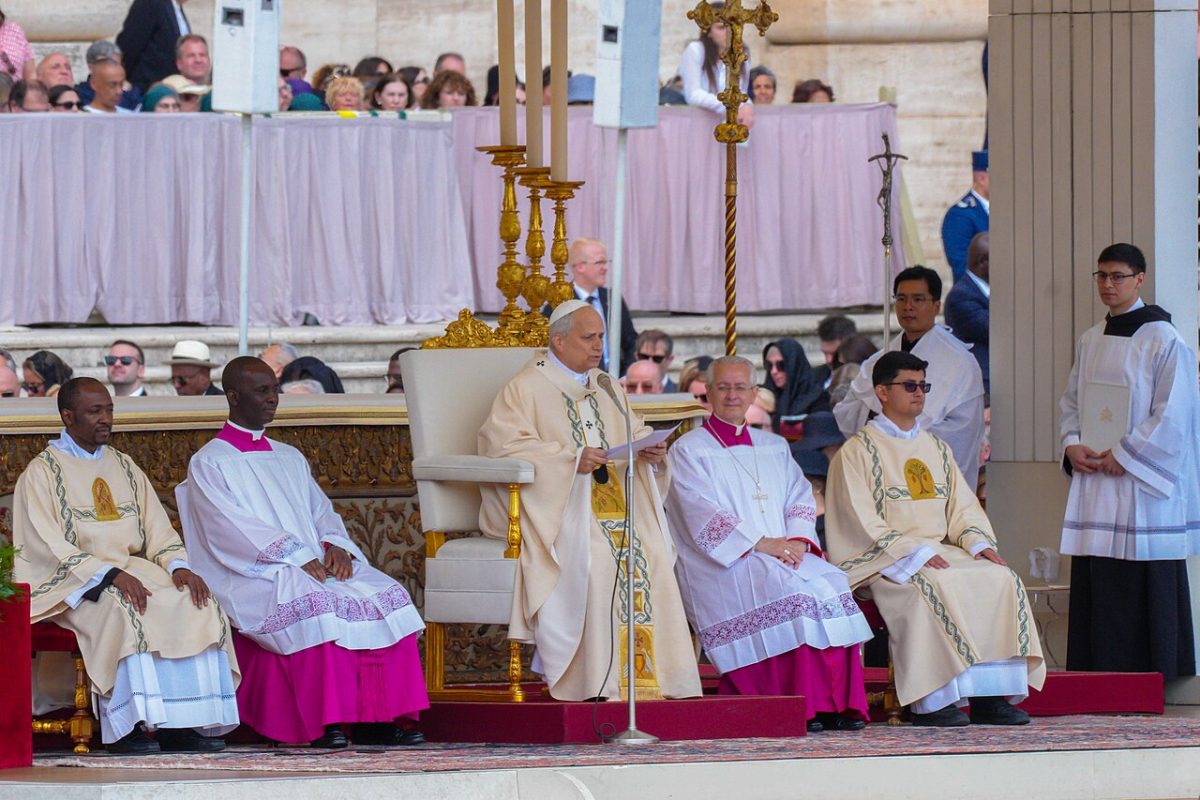
The numbers are almost impossible to ignore. When Pope Leo XIV arrived in Spain for his first visit, he didn't just draw pilgrims and the faithful. He triggered what may be one of 2026's biggest tourism events, with economists predicting the seven-day tour could inject between €90 million and €150 million into the Spanish economy. That's a stunning return on a €25 million investment.
The scale became immediately clear when nearly 1.2 million people gathered at Madrid's iconic Cibeles Square for an open-air Mass, making it one of Spain's largest public gatherings in recent memory. The previous evening had drawn 600,000 young people to a vigil. The Pope's message about supporting vulnerable communities and caring for migrants struck a chord, but the real story unfolding was something different: a masterclass in how religion and tourism can collide to reshape a destination's economy.
From Spiritual Journey to Economic Phenomenon
The papal route spanned Madrid, Barcelona, Gran Canaria, and Tenerife from June 6-12, and it created a tourism ripple effect that travel analysts are still trying to quantify. Madrid alone generated approximately €73.8 million in additional visitor spending during the opening days, driven by roughly 1.8 million attendees. Most of that money went straight into restaurants and food services, which accounted for nearly 78 percent of spending, followed by transport and lodging.
Hotel prices in Madrid surged 4.5 percent above the same weekend the previous year. Occupancy rates climbed well above 2025 levels. Barcelona, hosting the Pope later in the tour, saw accommodation searches spike by more than 50 percent along the papal route. Bars, restaurants, and holiday rental operators reported being fully booked during key events. When you combine that demand across multiple cities, you begin to understand why Spain maintains its position as the world's third-largest destination for international visitor spending and Europe's number one.
The Hidden Value of Global Attention
Yet the most powerful asset may not show up in this week's bookings at all. Hundreds of accredited journalists covered the visit, broadcasting images of Spanish destinations to audiences worldwide. Tourism analysts call this the "showcase effect," and it could prove far more valuable than immediate spending.
The Spanish Bishops' Conference estimates the cost of organizing the visit at roughly €25 million, but the actual economic return could exceed €150 million, generating five euros for every euro spent. That budget covered event production, logistics, communications, transport, accommodations for the papal entourage, and volunteer coordination. About 85 percent went directly toward the events themselves. The funding came from Church resources, corporate donations, local government support, and fundraising from the faithful.
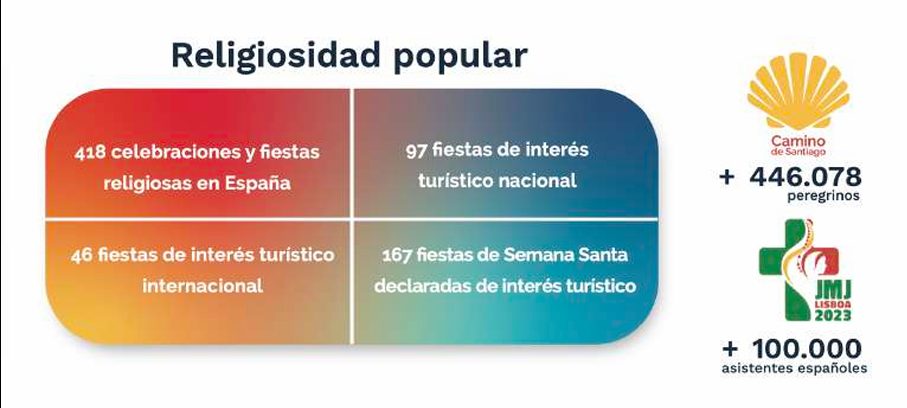
The lasting impact may depend on what happens next. Will visitors who saw Madrid and Barcelona featured in global media coverage decide to return? Will the international exposure drive pilgrims to explore Spain's historic churches and pilgrimage routes? When major events reshape travel patterns, the effects often ripple for years.
Learning from History
There's historical precedent for optimism. When Pope Benedict XVI visited Barcelona in 2010, the city generated nearly €30 million in economic impact. That pales beside what happened in Madrid during World Youth Day in 2011, which produced more than €200 million in direct visitor spending and contributed to a 29 percent increase in overnight stays. Surveys afterward showed 90 percent of international pilgrims intended to return to Spain.
The key question isn't whether the numbers are real. They clearly are. It's whether Spain's tourism infrastructure can convert one week of unprecedented global attention into sustained growth. Hotels will need rooms. Restaurants will need staff. Transportation networks will face pressure. Managing explosive growth poses its own challenges, as cities from Amsterdam to Abu Dhabi have discovered when tourism outpaces infrastructure. But for now, Spain has seized an extraordinary moment, and the figures suggest the gamble is paying off in ways that extend far beyond the spiritual significance of the visit itself.