For nearly two decades, the soil around Ursviken near Skellefteå in northern Sweden lay poisoned by industrial waste. Remediation crews worked methodically to heal the scarred landscape. Now, something unexpected has sprouted from that reclaimed ground: a monument to contradiction wrapped in geometric brilliance.
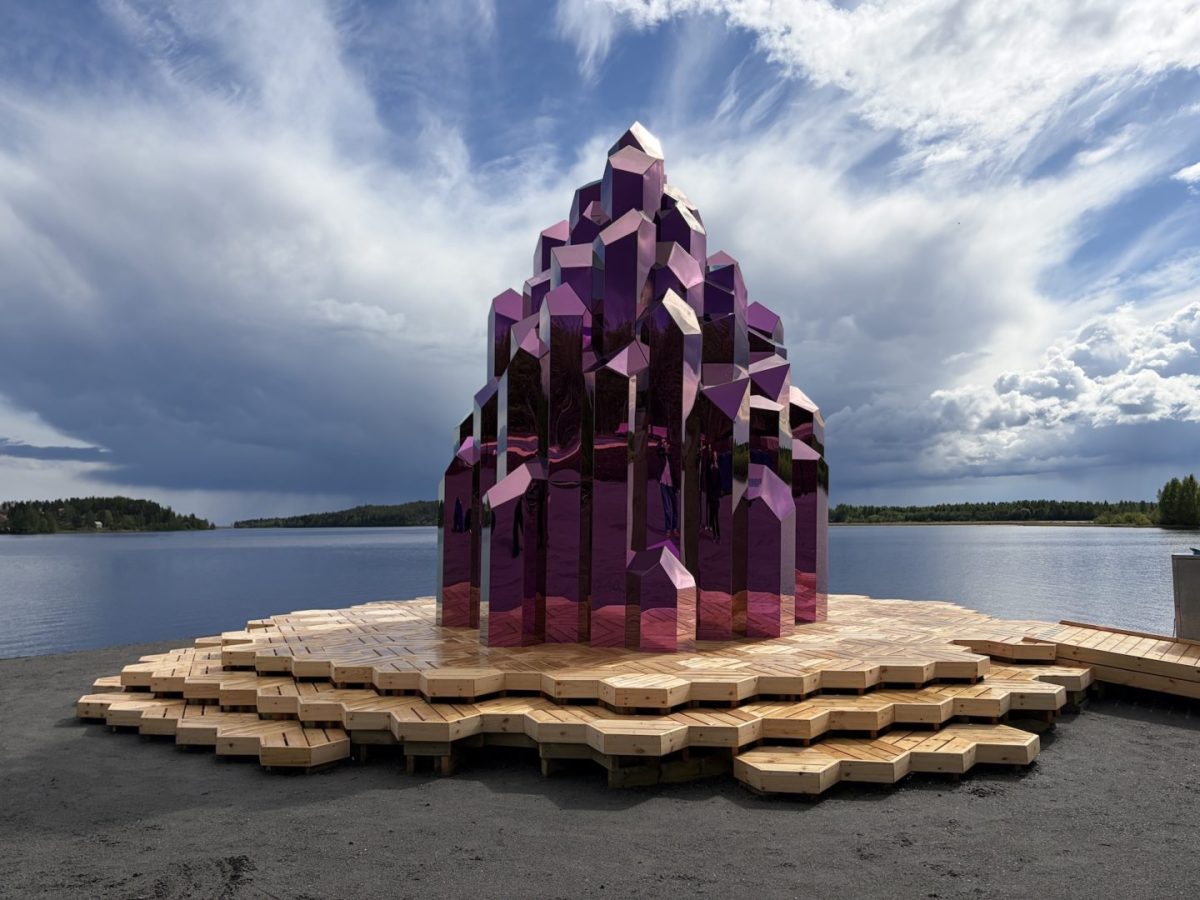
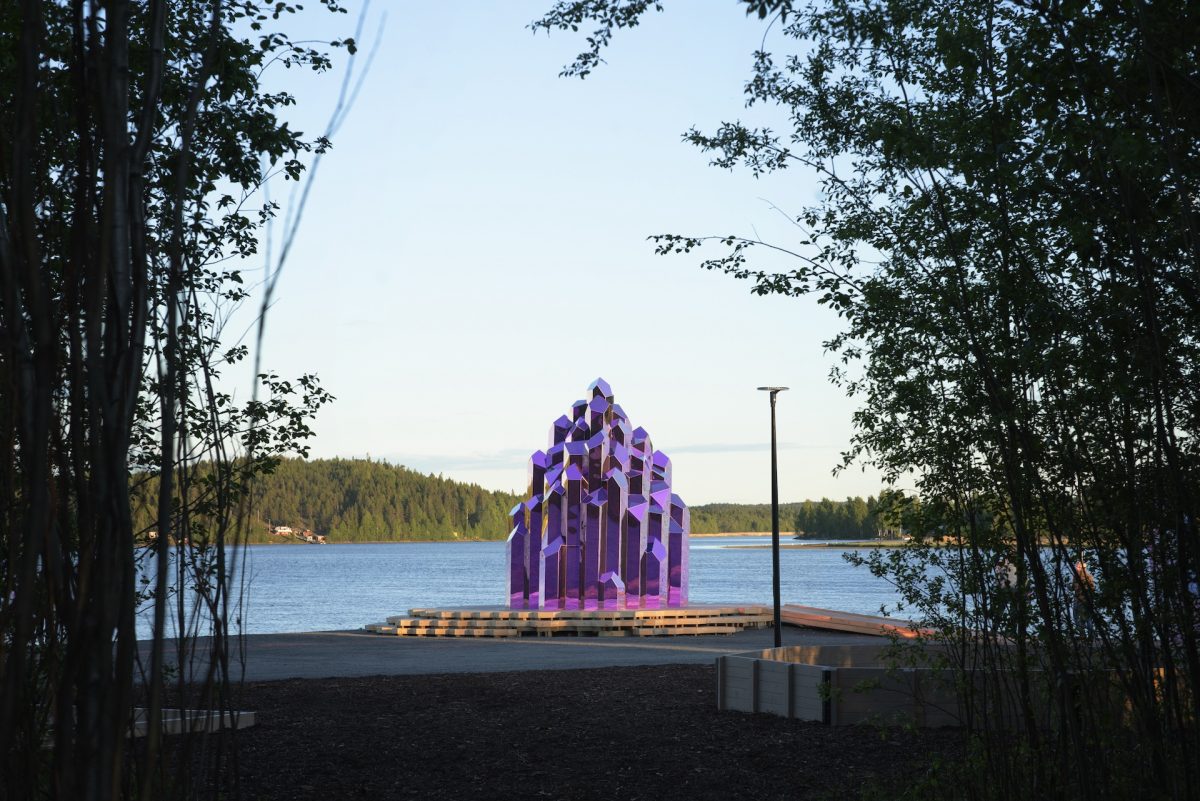
The site is now called Wasteland, Europe's first Climate Action Park, and it's built on a deceptively simple idea: transformation. What was broken can become beautiful. What was toxic can become a gathering place. The centerpiece is the Crystal Sauna, designed by the Stockholm-based art studio Bigert & Bergström, and it's equal parts provocation and promise.
The Contradiction at Its Heart
The architects chose to model their sauna after a lithium crystal. The choice wasn't random. "Lithium interested us because it has become an emblem of the green transition," Bigert & Bergström explained to design publication Dezeen. "It is associated with batteries, electrification and a fossil-fuel-free future, but its extraction can also create serious environmental damage. That contradiction felt highly relevant in Skellefteå."
It's a perfect metaphor for the site itself. This is a place that speaks honestly about what we break and what we might rebuild. The structure tilts slightly back at a four-degree angle, as if it's emerging from the ground rather than standing upon it. The effect is unsettling and magnetic at once.
A Building Made of Contradiction
The exterior is all sharp angles and pink-tinged mirrors. The artists achieved this with stainless steel coated in titanium, cut into 280 individual prisms using CNC machines and laser precision. It catches light differently depending on the hour and the weather, always seeming to shift and reform.
Step inside, though, and you enter another world entirely. Here, warmth dominates. Local moisture-resistant pine heartwood covers the floor. Alder benches curve invitingly around the space. A single sculpture of olivine stones (260 kilograms of them) sits caged in metal, slowly radiating heat from a battery-powered heater. The contrast between the technological, geometric exterior and the organic, tactile interior is deliberate. It mirrors the park's broader mission: reconciling the industrial past with a more sustainable future.
How to Experience It
The wider Wasteland park is free to explore, and visitors can wander past the observation tower designed by the Oslo School of Architecture and Design without charge. But the Crystal Sauna itself requires advance booking.
Sessions are limited to 12 people at a time and cost 1,000 SEK (approximately 91 euros) for two hours. Upon arrival, two hosts greet visitors, offer a tour of the site, and walk you through the practical details. It's intimate by design. The experience is meant to slow you down, to make you conscious of your surroundings, to let the building's message settle in your bones alongside the warmth.
Sweden has a knack for turning unexpected places into destinations, and this transformation exemplifies that impulse. Skellefteå spent nearly two decades doing the unglamorous, essential work of healing its soil. Now it's inviting the world to witness what comes after the cleanup. The Crystal Sauna isn't just a place to sweat and cool off. It's a statement about possibility, about the spaces between what we've destroyed and what we might create.