Imagine the phone call. "Hi, insurance? So I was driving a Fiat Panda, and I may have hit a private jet worth about five million dollars." That's essentially what went down at Milan Linate Airport on August 10, and the security footage is almost unbelievable.
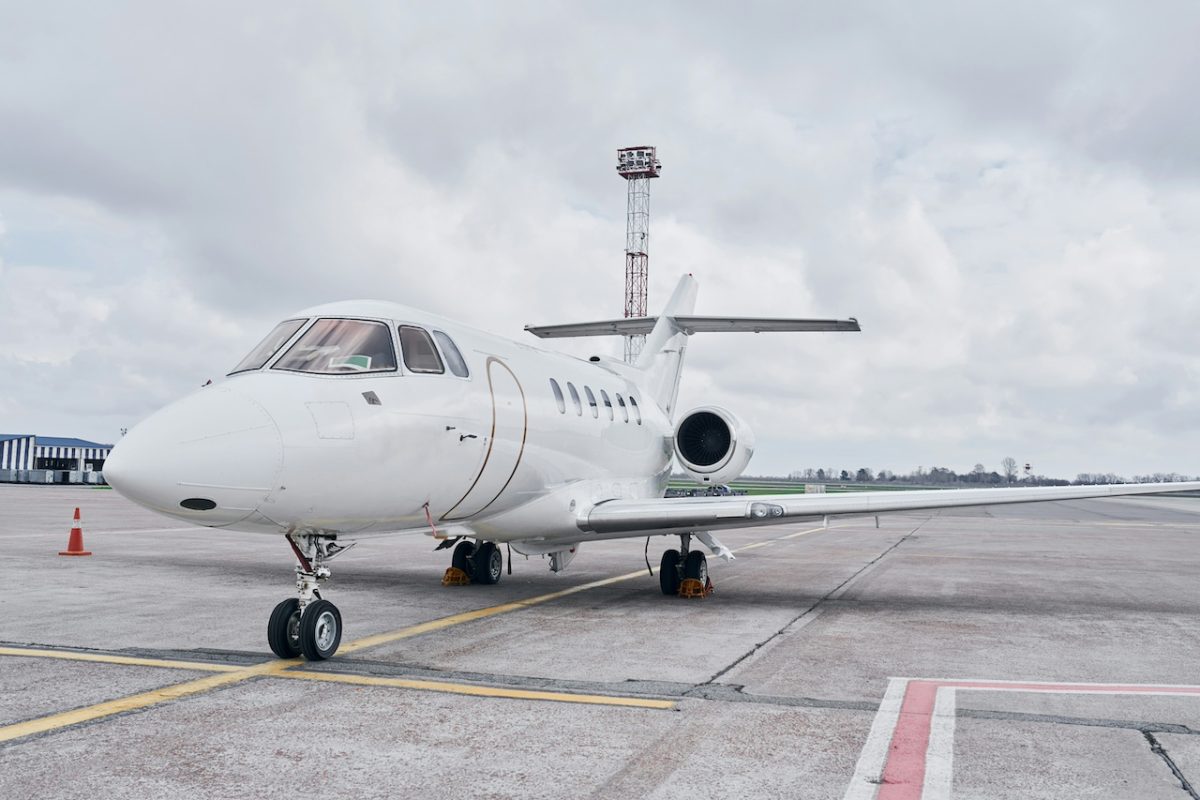
A Fiat Panda somehow made it onto the airport tarmac, picked up speed, and rammed straight into a Hawker Beechcraft 400A (registration I-AERB) that was moving away from its stand. The impact stopped the car cold. Videos circulating online capture the sheer absurdity of the moment, with one commenter capturing the mood perfectly: small Italian car versus luxury business jet, no contest.
Here's the silver lining: nobody was hurt. The Hawker Beechcraft, a 33-year-old aircraft operated by Italian charter company Slam Lavori Aerei, took the hit hard. So did the Panda. Authorities swooped in, the driver exited the vehicle immediately, and emergency services secured the area in what could have been a catastrophe but wasn't.
The Domino Effect Across Italy's Busiest Hub
Disruptions rippled across the airport for roughly half an hour while safety inspections happened. Two incoming flights got diverted: a KLM service from Amsterdam had to reroute to nearby Malpensa before eventually landing at Linate almost ninety minutes late. A domestic ITA flight from Rome got sent to Bergamo instead, pushing passengers even further off schedule. The airport, though, bounced back quickly. Normal operations resumed, and by the time news outlets were reporting the story, flights were moving again.
What's striking about this incident is that it's not isolated. Ground accidents at airports worldwide are climbing. According to data from loss-adjusting firm McLarens, roughly 64 percent of aviation incidents (excluding light aircraft) happen on the ground, not in the air. Global Aerospace underwriters found that ground claims are becoming more common due to a messy combination of workforce shortages, climate change, increased passenger volumes, congestion, and aging infrastructure.
A Pattern of Close Calls and Worse
The stretch of months leading up to the Milan incident reads like a cautionary tale. In March 2026, an Air Canada flight from Montreal to New York's LaGuardia collided with a fire engine that had been cleared to cross a runway. Both the pilot and copilot died. A month earlier, two KLM Boeing aircraft banged into each other while taxiing at Amsterdam Schiphol with no injuries to passengers or crew. Then in February, Brussels Airport nearly experienced a disaster when a pilot tried to take off from a taxiway and barely stopped before plowing into fuel storage tanks. Brussels responded with heightened focus on aviation safety measures.
That March incident at LaGuardia was particularly tragic. A copilot had been working the ground, and controllers had given the fire engine permission to cross active runways. The communication chain broke somewhere, and two people died as a result. It's the kind of error that modern technology tries desperately to prevent.
The Tech That Could Help But Isn't Required
Some aircraft carry something called a Runway Awareness and Advisory System (RAAS), software designed to guide crew through ground maneuvers and flag risks. Problem: it's optional, not mandatory. That gap in regulation is part of a larger conversation about how airports evolve as passenger traffic grows and infrastructure strains under the weight. Some major European hubs are betting billions on upgrades, but change moves slowly in aviation.
The Milan incident, while bizarre and property-damaging, reminds travelers of something we rarely think about: airports are operational ecosystems where humans, vehicles, planes, and equipment all share space. Most of the time it works. Sometimes a Fiat Panda decides to take an unscheduled stroll across the tarmac. When it does, you hope the outcome is embarrassing rather than tragic.
For now, Milan Linate is back to normal. The aircraft and the car have both been examined. Authorities are investigating how a small hatchback got onto a restricted runway in the first place. And somewhere, an insurance agent is still recovering from that phone call.