Picture this: a four-foot humanoid robot named Bebop glides down the jet bridge at Oakland airport, gets its own assigned seat, and causes a 62-minute flight delay while crew members figure out where to stow a machine that doesn't quite fit the overhead bin. That scene actually happened, and it's part of why Southwest Airlines just rewrote the rules.
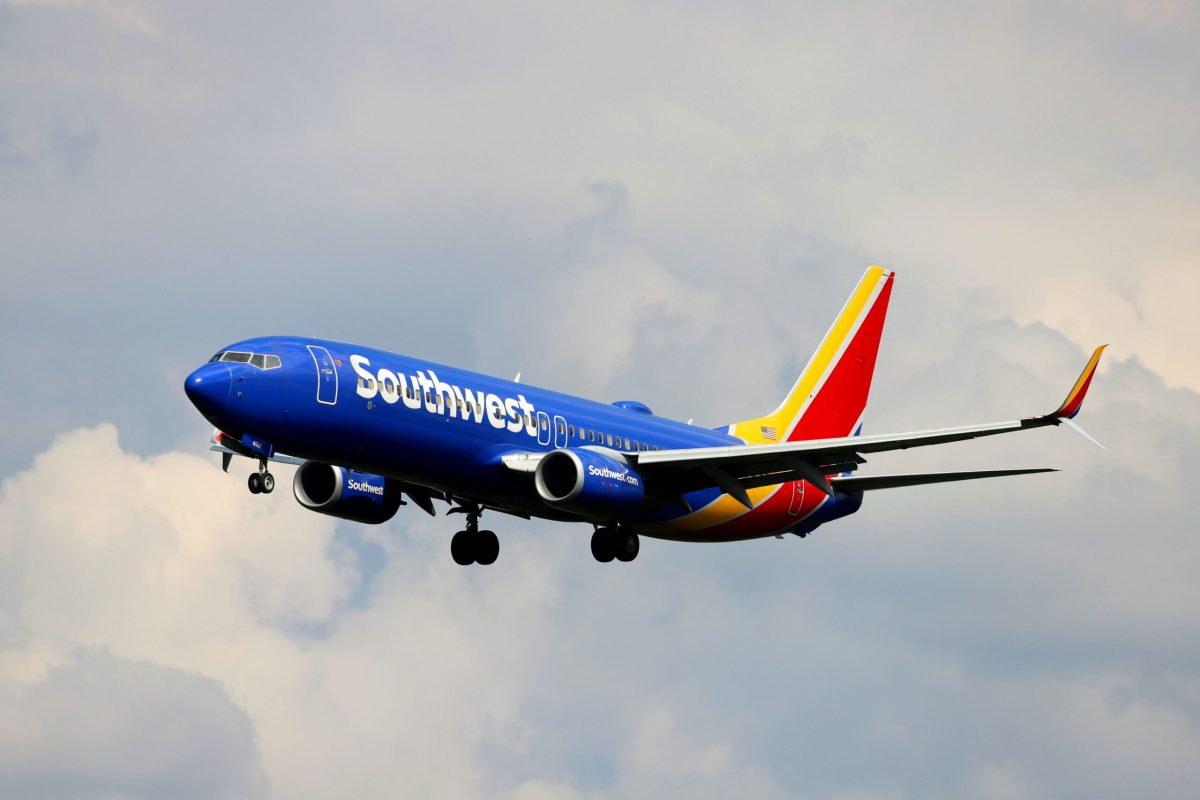
The Dallas-based carrier has updated its terms of carriage with a sweeping ban: no human-shaped robots, no animal-shaped robots. Period. The new policy spells it out plainly: "Southwest Airlines does not allow human-like or animal-like robots to be transported in the cabin or as checked baggage, regardless of size or purpose." For travelers curious what counts, Southwest defined a human-like robot as anything "designed to resemble or imitate a human in its appearance, movement, or behavior," with the same logic applied to animal-shaped counterparts.
The pivot makes sense once you look at what actually happened on Southwest flights this year. In May, a robot owned by Elite Event Robotics was spotted dancing at the departure gate before boarding, turning the cabin into an impromptu circus while confused passengers filmed everything for social media. The machine eventually got a window seat (battery removed) and the flight was delayed while crew figured out the logistics.
Then there was Stewie, a 106-centimeter-tall humanoid that Dallas entrepreneur Aaron Mehdizadeh decided should take a Las Vegas-to-Dallas flight. Footage shows Stewie performing karate kicks at the gate before boarding, then walking down the aisle while passengers gawked. Mehdizadeh later told CBS News Texas that most travelers loved the novelty. The bot did make it aboard thanks to a specially fitted reduced-capacity battery, but the incident exposed a glaring gap in airline safety protocols.
Here's where things get serious. Southwest's real concern centers on lithium-ion batteries, the power sources keeping these robots mobile. Lithium batteries have been the culprit behind numerous onboard fires across the aviation industry, a problem that airlines and regulators worldwide are still scrambling to address. When robots show up with full-size batteries installed, crews lack clear procedures for handling them. The novelty appeal means these machines generate viral social media buzz, giving tech companies free publicity while creating operational headaches that could actually put passengers at risk.
The new Southwest rules don't ban all robots, just the ones shaped like living things. Any robot that doesn't resemble a human or animal still gets a shot at flying, provided it fits inside a standard carry-on bag and meets existing battery restrictions. That means your small drone or gadget robot might still make the cut.
What the battery rules actually mean for you
Whether you're traveling with robots or just regular tech, Southwest's battery policies apply to everyone. Each passenger gets one power bank maximum. That device must ride in the cabin with you, never checked baggage. The capacity limit is 100 watt-hours, and it cannot sit in the overhead bin. Store it in a personal item under the seat in front of you where it stays visible when in use. No charging onboard via in-seat power either. These restrictions sound fussy, but they exist because lithium fires at 35,000 feet represent a genuine threat that airlines take seriously now.
The robot ban reflects a larger tension in modern travel. Technology advances faster than policies can adapt. Companies and individuals have leveraged the novelty of mechanical passengers for publicity, but what plays well on TikTok doesn't necessarily belong in a pressurized cabin. Southwest essentially decided that the risks outweighed the entertainment value, even if most passengers found the robots amusing rather than threatening. As airlines continue investing in new technologies, clearer safety guidelines around passenger-brought devices will likely become standard across the industry rather than the exception.
The takeaway for travelers: if you're planning to bring anything with wheels, wings, or a resemblance to living creatures onto a flight, check with your specific airline first. Southwest has spoken. Others will probably follow.