For decades, Angola's international reputation rested on two things: oil reserves and post-war recovery. Those narratives still matter, but they no longer tell the complete story. Between June 17 and 19, 2026, something shifted. The Global Tourism Forum Angola Investment Summit brought 2,000 decision-makers to Luanda and quietly announced that Angola is no longer waiting to become a tourism player. It's already building one.
What made this gathering different from the usual tourism conference circuit? Most investment forums end with handshakes and press releases. Angola's summit produced something harder to come by: actual commitments. Eleven memoranda of understanding were signed, creating a pipeline of partnerships designed to move the sector from promotional talk into real construction projects, infrastructure deals, and international collaborations.
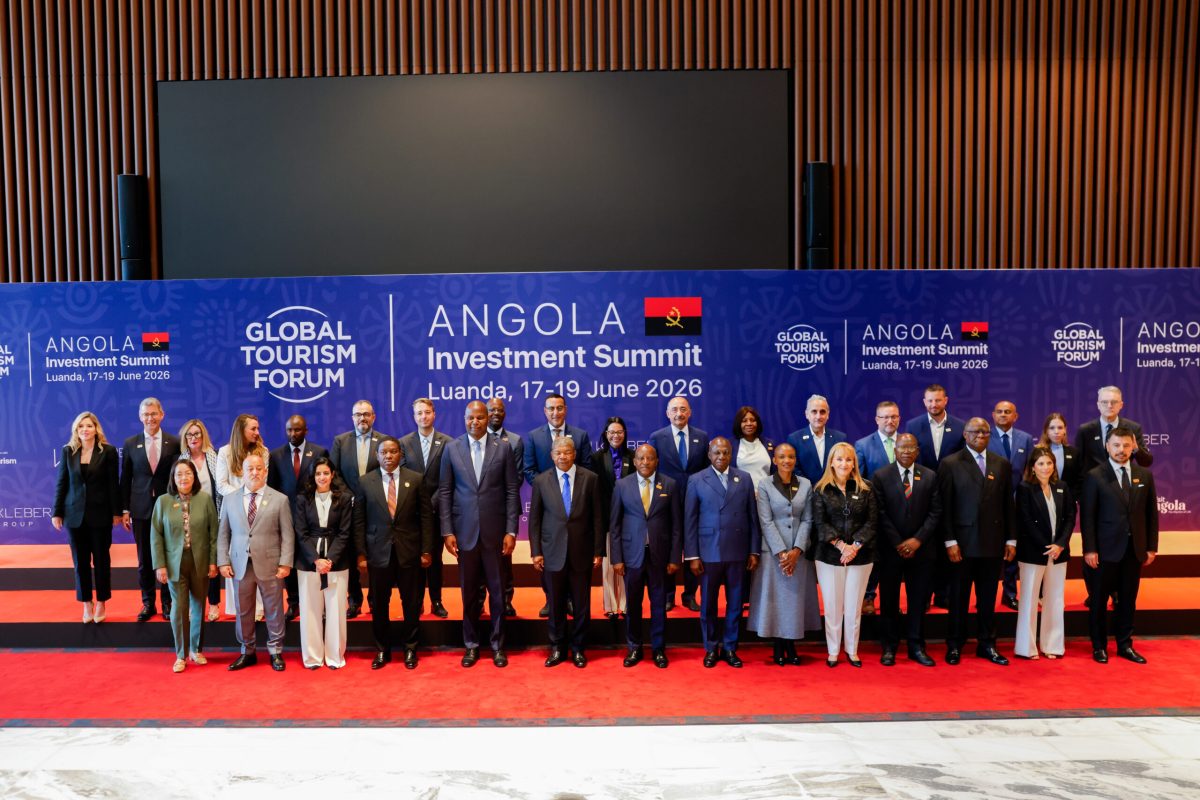
The distinction between hosting a tourism event and executing a tourism strategy matters enormously. Many African countries have spectacular coastlines, wildlife, cultural sites, and undeveloped land. What separates the destinations that attract serious capital from those stuck permanently in the "emerging" category is the ability to convert natural assets into credible projects, reliable partnerships, and clear policy frameworks. Angola used Luanda as more than a backdrop. It positioned the capital as the political and commercial gateway to the country's tourism future, signaling that this sector now sits alongside oil in the nation's economic strategy.
Three Things That Actually Changed
First, visibility shifted at scale. Angola entered a crowded African tourism landscape where countries compete fiercely for hotel groups, infrastructure financing, airline routes, and global brand recognition. By hosting an internationally sanctioned investment summit and attracting over 2,000 participants, Angola moved from being a country with latent potential to one actively presenting itself to global investors. That's not semantic. That's a market repositioning.
Second, credibility arrived with institutional weight. The summit gave international investors a clearer sense of political commitment, with Angola's Ministry of Tourism presenting formal investment guidelines and defining specific priority sectors: ecotourism, nature-based tourism, hotel and resort development, coastal tourism, cultural heritage, and historical sites. Angola wasn't selling a vague dream. It was defining which opportunities could actually get financed and built.
Third, execution became the focal point. The 11 memoranda of understanding signed during the summit represented partnerships with international investment groups, global business networks, sustainability organizations, and domestic tourism operators. This mix matters. Tourism cannot succeed if it's entirely foreign-owned or entirely locally operated. It requires both the capital and connections that international partners bring and the local knowledge and community buy-in that domestic operators provide. Angola's summit demonstrated this balance explicitly, rejecting the old model of tourism developed entirely from abroad.
Why Timing Matters Here
Angola's 1,600-kilometer Atlantic coastline sits largely undeveloped, a rare commodity in a continent where most luxury coastal destinations are already saturated or politically unstable. The country has national parks, urban energy, and growing middle-class purchasing power. But none of that converts into tourism revenue without the infrastructure and partnerships that the June summit worked to establish.
The summit also rewrote Angola's international narrative. For years, international media coverage focused on oil economies, reconstruction efforts, and infrastructure gaps. Tourism barely registered. This investment summit repositioned Angola as a nation with diverse economic opportunities and Atlantic access, shifting the conversation from what the country lacks to what it contains. That's a branding victory with real financial consequences.
For travelers, the practical impact unfolds over the next few years. Those 11 partnerships will likely translate into new hotels, improved airport connectivity, developed coastal infrastructure, and expanded cultural tourism offerings. The country won't transform overnight. But the summit signaled that the machinery for transformation is now in motion. While other African destinations jostle for investment capital, Angola has already begun moving money from promise to projects. That's not just tourism development. That's a country taking control of its own narrative.