When Spain lifted the 2026 FIFA World Cup trophy, something unexpected happened thousands of miles away. Chinese travelers began frantically searching for flights to Barcelona, Tenerife, and Madrid in numbers so large they crashed typical demand patterns. This wasn't a gradual uptick. This was a stampede.
The numbers tell a stunning story. Data from Qunar, China's largest online travel platform, shows searches for flights between Shenzhen and Barcelona jumped 33-fold in the hours after Spain's victory. Tenerife saw a 19-fold surge. Málaga climbed 10.5 times higher. Other routes from cities like Kunming, Qingdao, Guiyang, and Jinan to major Spanish hubs all recorded similar explosions in interest.
The timing couldn't be more strategic. This World Cup surge arrives just as China prepares for Golden Week, the country's major national holiday spanning October 1-8. For millions of Chinese residents, it's the prime moment to book international trips. Spain's victory handed tourism boards and retailers a gift-wrapped opportunity to capture some of that spending.
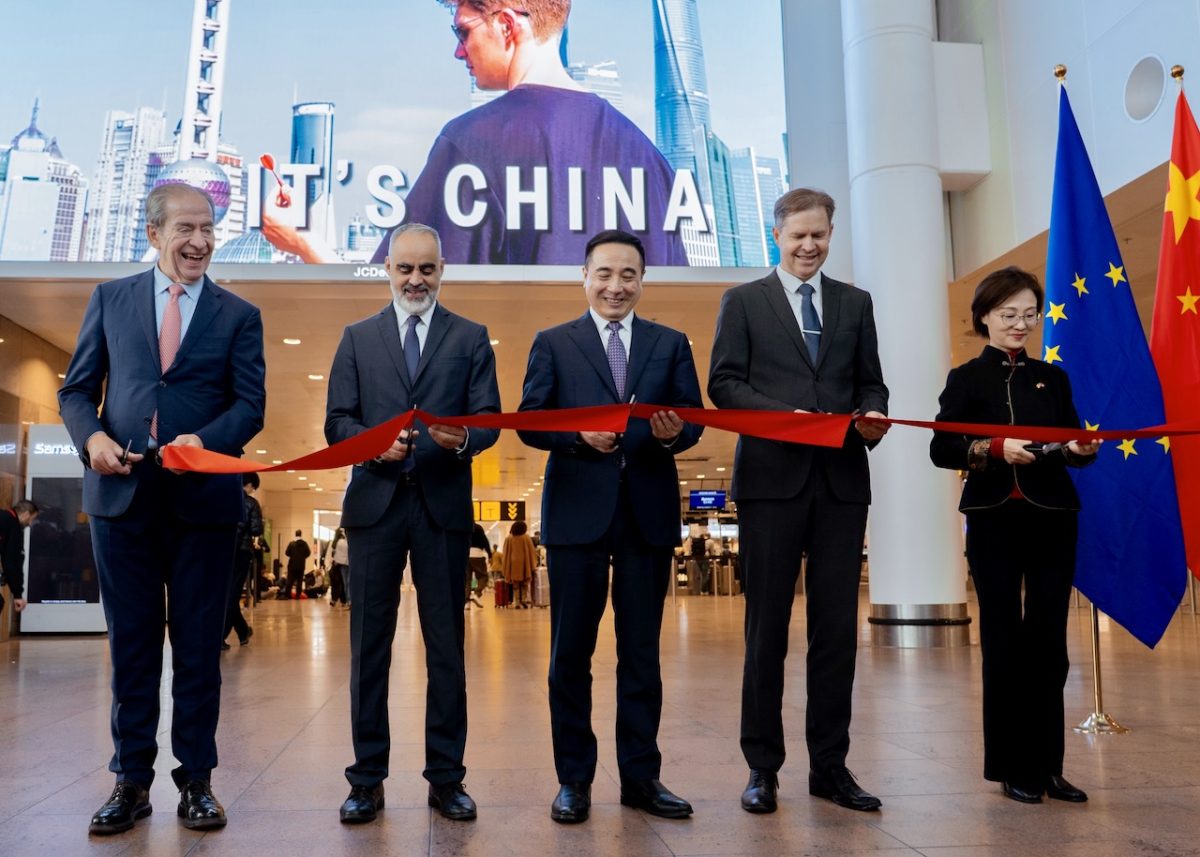
Behind these search spikes lies a deeper trend. Air connectivity between Spain and China has been rebuilding steadily. Spanish airport operator Aena reported 707,530 passengers traveling between the two countries during the first half of 2026, a 46.8% jump from the same period in 2025. New routes from cities like Chengdu and Guangzhou have added capacity. The World Cup win simply accelerated what was already gaining momentum. As travel reaches historic volumes, winning moments like this reshape demand in real time.
The Shopping Opportunity Spain Can't Miss
For Spanish retailers, this isn't just about hotel bookings and restaurant reservations. Chinese tourists spend deliberately and purposefully. Data shows 77.8% of Chinese travelers plan their shopping before departure, hunting for specific items on social platforms like Xiaohongshu, Weibo, and WeChat. The businesses that show up in these spaces capture the sales.
But there's a friction point. Chinese visitors face a clunky value-added tax refund system that requires full payment upfront, then waiting weeks (or longer) for partial reimbursement. Abel Navajas, chief executive of Stamp (a company tracking this trend), argues Spain could unlock millions in additional spending by offering VAT discounts at the point of sale instead. Small change in policy, massive impact on margins.
Digital payment acceptance matters too. Alipay and WeChat Pay account for over 90% of purchases made by Chinese tourists abroad. Retailers still stuck on chip-and-PIN cards are leaving money on the table, literally.
What This Means for the Broader Picture
Spain's visitor economy is already on fire. The country is on track to welcome 100 million international tourists in 2026, a record. This World Cup bounce doesn't create the trend; it supercharges what's already happening. Researchers at the University of Aberdeen found that winning the World Cup can lift a champion nation's GDP growth by at least 0.48% over the two quarters following the final. For a €1.69 trillion economy like Spain's, analysts estimate the Golden Week influx alone could add roughly €4 billion in economic activity.
For travelers planning their own Spain trip during this period, expect crowds. Barcelona's Gothic Quarter will be packed. The beaches of the Costa del Sol will have company. Museum queues will stretch around corners. But there's an upside: restaurants, shops, and attractions will be operating at full capacity with extended hours and special programming. You're visiting a destination in peak celebration mode.
The real lesson here isn't about sports or economics. It's about how moments of joy and victory shape where people want to travel. A nation wins, and suddenly that destination becomes a must-see. Tourism isn't rational. It's emotional. And right now, Spain is riding an emotional high that's pulling millions toward its airports.