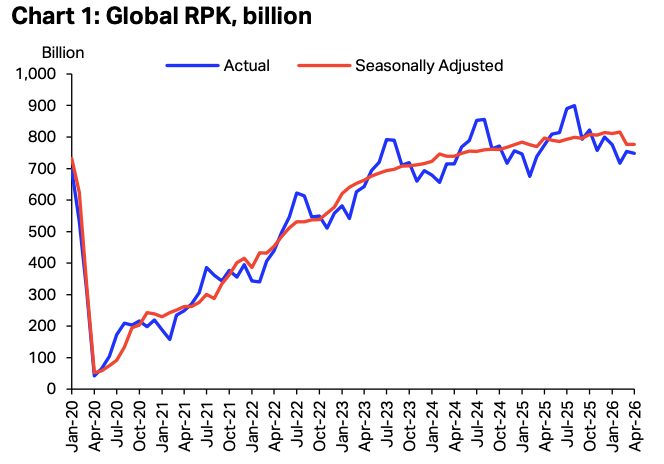
When geopolitical trouble brews, the aviation industry feels it first. New data from the International Air Transport Association shows exactly how much damage one conflict can do to the skies above an entire region. In April 2026, Middle Eastern carriers experienced a staggering 48% drop in passenger demand compared to the previous year. That's not a dip. That's a freefall.
The fallout was so severe it dragged down global airline demand by 3.4% overall, even as other parts of the world saw growth. Yet here's the plot twist: exclude the Middle East from the numbers, and global demand actually climbed 1.9%. The region's crisis isn't just a local problem. It's rewriting flight routes for airlines everywhere.
Why the Middle East Matters to Your Flight Path
For decades, the Middle East has served as a global aviation crossroads. Airlines funnel passengers through massive hub airports in Dubai, Abu Dhabi, and Doha to connect Europe, Asia, and beyond. When that corridor shuts down, the whole system has to adapt.
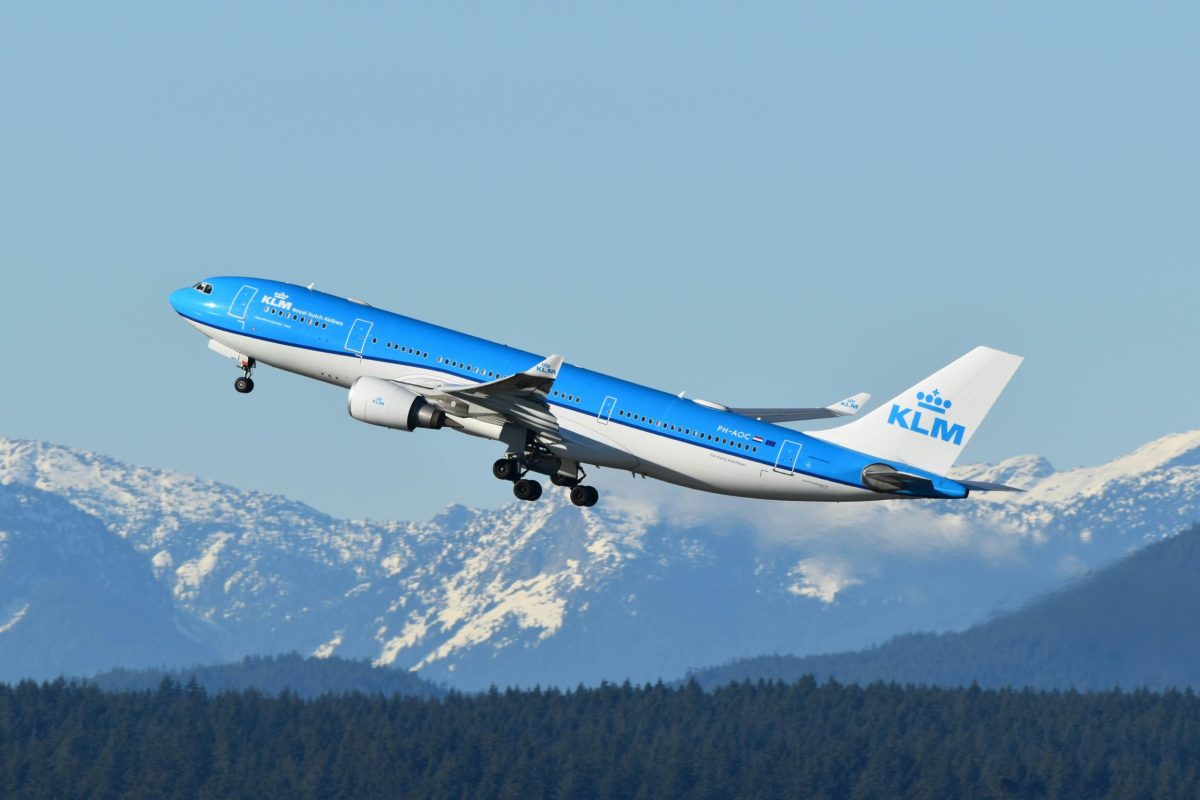
European carriers found an elegant workaround. Direct flights between Europe and Asia surged 15.3% as airlines abandoned Middle Eastern hubs entirely, routing passengers along a new path instead. It sounds logical on paper, but it means longer flights, different schedules, and less convenient connections for travelers. Some carriers like KLM have already pushed Middle East operations back months, signaling confidence that normality will eventually return.
What's Happening in Each Region
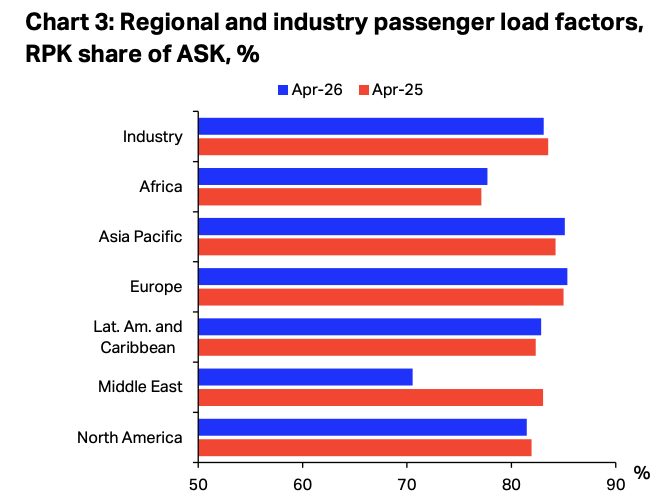
Asia-Pacific airlines bucked the trend, achieving a 3% increase in demand and posting record load factors for the month at 87.5%. China-Japan traffic slowed due to separate political tensions, but the broader region stayed resilient. Latin America soared with 8.9% growth, while African carriers climbed 2.2%. Europe managed a modest 0.9% gain. North America flatlined entirely.
The Middle Eastern carriers themselves were hit hardest. Load factors (a measure of how full planes are) dropped to 70.1%, meaning planes flew with thousands of empty seats. Capacity shrank by 38.4% as airlines grounded aircraft they couldn't fill.
The Fuel Price Squeeze
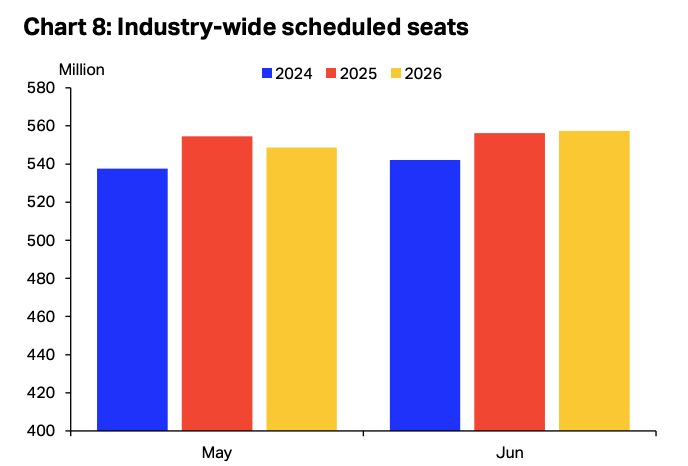
There's another villain in this story. Jet fuel costs doubled in April, pushing airfares up across the board. Airlines facing weaker demand and skyrocketing fuel costs are responding by cutting schedules for the months ahead. Carriers are relying on premium cabin revenue to compensate, which means budget travelers may find fewer cheap options.
Domestically, the picture remains murky. Growth in Brazil, China, and Japan balanced out declines in Australia, India, and the United States. Load factors fell in most major markets, suggesting airlines are still offering capacity even when demand isn't there to fill it.
What This Means for You
If you're planning travel over the next few months, expect longer journeys and higher fares. That indirect routing around the Middle East adds hours to many Asia-Europe itineraries. Flights within Asia-Pacific remain your best bet for availability and competitive pricing, while Middle Eastern gateways should see improvement once the situation stabilizes.
The ceasefire that took hold in late April brought demand declines down slightly from March, suggesting some cautious optimism. Airlines are watching closely, ready to redeploy aircraft and reinstate schedules the moment conditions improve. Until then, the global aviation network will keep bending around a region that normally holds it together.