For decades, flying taxis existed only in futuristic movies and sci-fi novels. But in the UK right now, the dream is morphing into something tangible. The British government just committed £7.3 million to eight companies building the next generation of aircraft, with a specific focus on making air taxis a genuine travel option within the next few years.
This investment marks a real turning point. Up to £3.2 million of the total will support projects with companies like BETA Technologies and Vertical Aerospace, testing how these aircraft could actually operate inside existing airport infrastructure. The remaining funds feed into a larger £43 million package dedicated to future aviation technologies, including safety systems for handling battery-powered and hydrogen aircraft. The message is clear: this isn't theoretical anymore.
What Makes These Flying Taxis Actually Different
Electric vertical take-off and landing aircraft, or eVTOLs, work nothing like traditional helicopters. They can rise straight up, rotate in mid-air, and cruise forward, all without needing a runway. Research from the University of Birmingham suggests these machines could strengthen connections between cities, unlock new economic opportunities, and deliver cleaner transport than gridlocked roads.
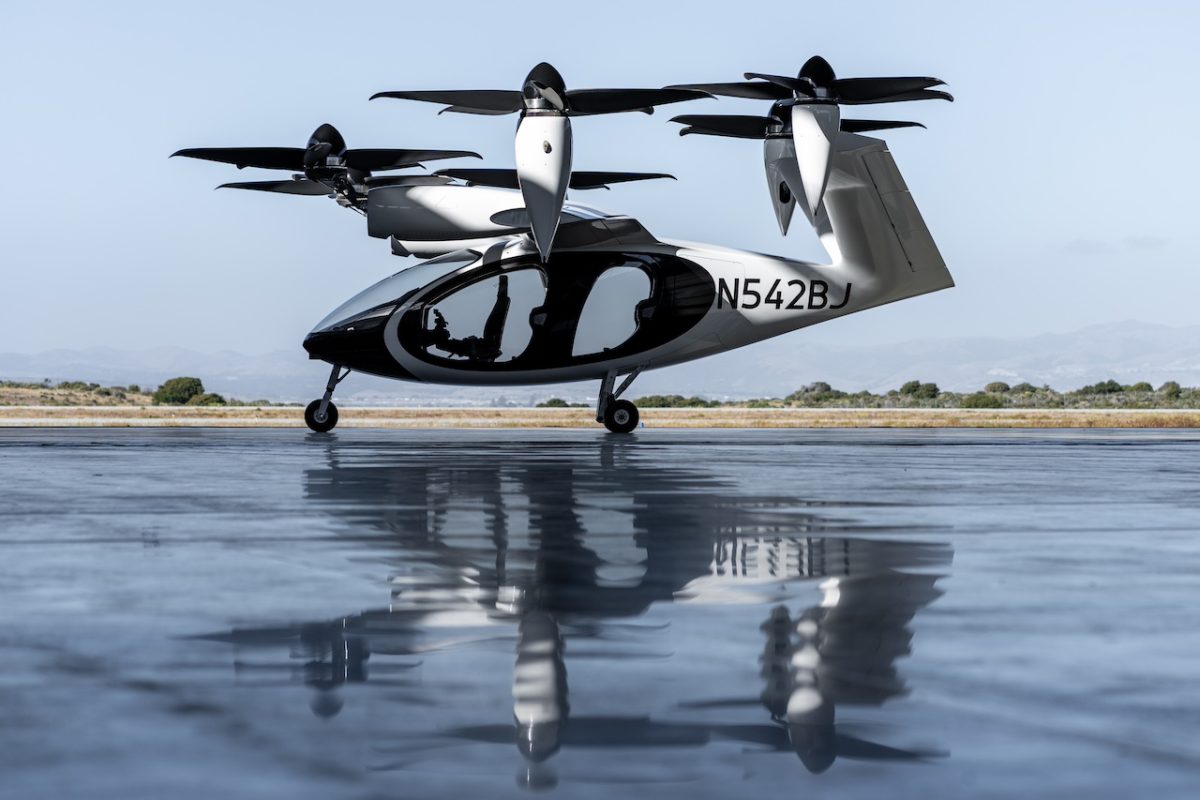
Joby Aviation's design carries one pilot and four passengers using six tilting propellers that are considerably quieter than helicopter rotors. The company recently signed a major deal with Virgin Atlantic at the Farnborough International Airshow, aiming to launch services in London and Manchester. You'll eventually be able to book these rides through Virgin Atlantic's digital platforms, just like you would a regular flight.
The math here is stunning. A trip from Heathrow to central London takes roughly an hour by car during rush hour. An air taxi would cover it in eight minutes. Manchester Airport to Leeds would shrink from 45 minutes to around 15 minutes. These aren't replacements for long-distance flights, but they solve a real problem: getting to the airport without spending half your travel time stuck in traffic.
When Can You Actually Use One
Patience is required. The UK Civil Aviation Authority expects to certify passenger-carrying eVTOL aircraft by the end of 2028, with Vertical Aerospace targeting 2029 for the first commercial flights. Companies still need to complete testing, work through regulatory approval, and build the charging infrastructure airports will need. The technology is here; the permission slips are what's taking time.
Virgin Atlantic and Joby are bringing flying taxis to the UK, and they're not the only players involved. The government is also investing £46.5 million in flying taxis and drones for medical deliveries and police operations. Over the next decade, the UK plans to spend £2.3 billion through the Aerospace Technology Institute Programme to accelerate aviation innovation broadly. Scotland's Loganair will fly electric planes across Europe starting 2029, showing how the shift toward zero-emission aviation is spreading beyond taxis.
Why This Matters Beyond the Hype
The infrastructure piece is crucial. Airports will need charging stations for electric aircraft, new safety protocols for hydrogen fuel, and redesigned ground operations to handle these machines. This requires collaboration between airlines, airports, technology companies, and regulators. Discussions at recent aviation conferences focused on how electric aircraft, hydrogen technology, and AI could combine to cut emissions while keeping aviation functional.
Britain's bet on this technology is partly about the environment (aviation currently contributes roughly 2-3% of global carbon emissions). But it's also about economic leadership and jobs. The UK aerospace sector employs thousands; developing the next generation of aircraft keeps that expertise in the country and attracts investment.
The shift toward cleaner skies is undeniably coming. Whether it's the battery-powered craft taking off in 2029 or the hydrogen planes still being developed, traditional aviation will coexist with these quieter, cleaner alternatives. For travelers, that means more transport options, fewer emissions, and the very real possibility that booking an air taxi from your phone will feel as normal as hailing a regular cab. The future of how we move through cities is being built right now, and it's starting in the UK.


