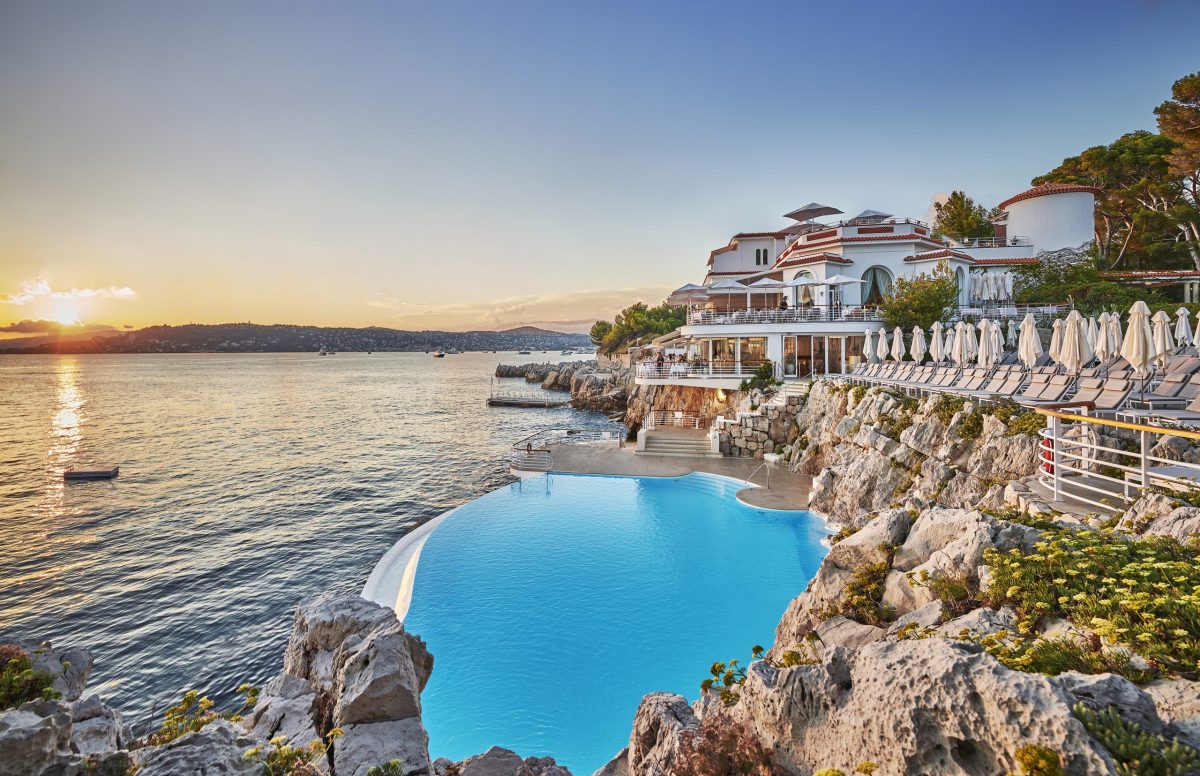
On the French Riviera, where the Mediterranean glitters like a sapphire and the sun seems to have a personal vendetta against bad lighting, one of the region's most storied hotels has drawn a line in the sand. Hotel du Cap-Eden-Roc in Antibes, a five-star retreat that has hosted Grace Kelly, Elizabeth Taylor, and the Kennedy family, now restricts photography on its grounds. The reason? Too many visitors have been treating their restaurant reservations as backstage passes to a personal photoshoot.
Hotel manager Sophie Volant told reporters that some guests arrive for lunch or dinner carrying bags stuffed with clothes and jewelry, ready to change outfits for hours. Others wander the property hunting for the perfect pose instead of sitting down to eat. The result was a parade of tripods, flashbulbs, and outfit changes that left long-time patrons feeling like extras in someone else's content. "We have a lot of loyal, repeat guests who don't see this hotel as a hotel; they see Hotel du Cap as their summer home," Volant explained. "And as much as they appreciate having people in the restaurants and in the bars, they also want their summer home to remain private."
The hotel's official photography policy now states that photo shoots are not permitted on the property, and special requests require management approval. The concierge team can review proposals and connect visitors with the hotel's exclusive partner photographer. A restaurant reservation no longer grants automatic access to the grounds for a shoot. Casual snapshots along the Grande Allée are still allowed, but guests are asked to pause if others enter the frame. Photography and phone calls are also restricted at the pool.
Volant acknowledged that enforcing these boundaries can be awkward, especially when staff must correct VIP guests. Saying no doesn't always come naturally in hospitality, she admitted. Yet many regulars have welcomed the crackdown. Some have even asked management to apply the rules more strictly. Their response suggests that the ability to relax without unwanted photography is part of the experience they value.
The tension between content creation and guest privacy is hardly unique to Antibes. The Hollies farm shop in Cheshire introduced daytime restrictions on filming after influencer Molly-Mae Hague shared images from there. London restaurateur Jeremy King has publicly criticized influencers for overrunning his venues. A shop on Nantucket went viral with a sign reading "no influencers." These are just a few examples of a broader pushback, one that echoes the tourism management strategies emerging across Europe.
For hotels, the relationship with social media is more nuanced than simply banning cameras. Photographs can introduce a property to potential visitors, and some businesses actively collaborate with creators. Anna Fedou, chief marketing officer at hotel group Beaumier, said the company sometimes works with influencers to promote its properties, including Les Roches Rouges on the French coast. But she stressed that the experience of paying guests comes first. "We're in the business of hospitality, not running photo studios," Fedou said. "People travel from all over the world to experience the atmosphere, sense of space and feeling that make a hotel unique."
Beaumier doesn't have a formal photography policy, Fedou noted. Instead, the group focuses on guest comfort when accommodating content creation. Influencers are encouraged to shoot during quieter moments, when they can capture the space without disturbing others. "Influencers will generally choose quieter moments for shooting content, to capture the space without disturbing others," she said. The approach reflects a broader industry shift, one that balances the allure of social media exposure with the need to protect the very atmosphere that makes a hotel special.
Nicole Ocran, an influencer and founder of the Creator Union, pointed out that many content creators work without payment, hoping to attract brand partnerships. Some receive complimentary stays in exchange for posts, while others simply hope to court future deals. She acknowledged that creators can overstep when filming in public. But she also noted that the industry is evolving, with more emphasis on respectful collaboration.
For travelers planning a visit to the French Riviera, the takeaway is clear. Book a table at Hotel du Cap-Eden-Roc for the food, the views, and the timeless glamour, not for a free photoshoot location. The hotel's new rules are a reminder that some places are best experienced with your eyes, not your lens. And if you're looking for a spot to capture that perfect Riviera sunset, there are plenty of other beaches and promenades that haven't yet declared a ceasefire on cameras.