Copenhagen has been quietly transforming its old industrial harbor into a place where people actually want to linger. And now, after a decade of planning and building, the city is about to unveil its most ambitious waterfront project yet. KAI, a Water Culture House on Paper Island, will open its doors on December 5, 2026, and it promises to be a game changer for locals and travelers alike.
The idea for KAI came from the community. Back in 2015, Copenhagen asked residents what they wanted for Paper Island, a former industrial site in the inner harbor. The answer was clear: a place to swim. That feedback sparked an international design competition, which was won by the Japanese studio Kengo Kuma & Associates. Now, nearly ten years later, their vision is becoming reality.
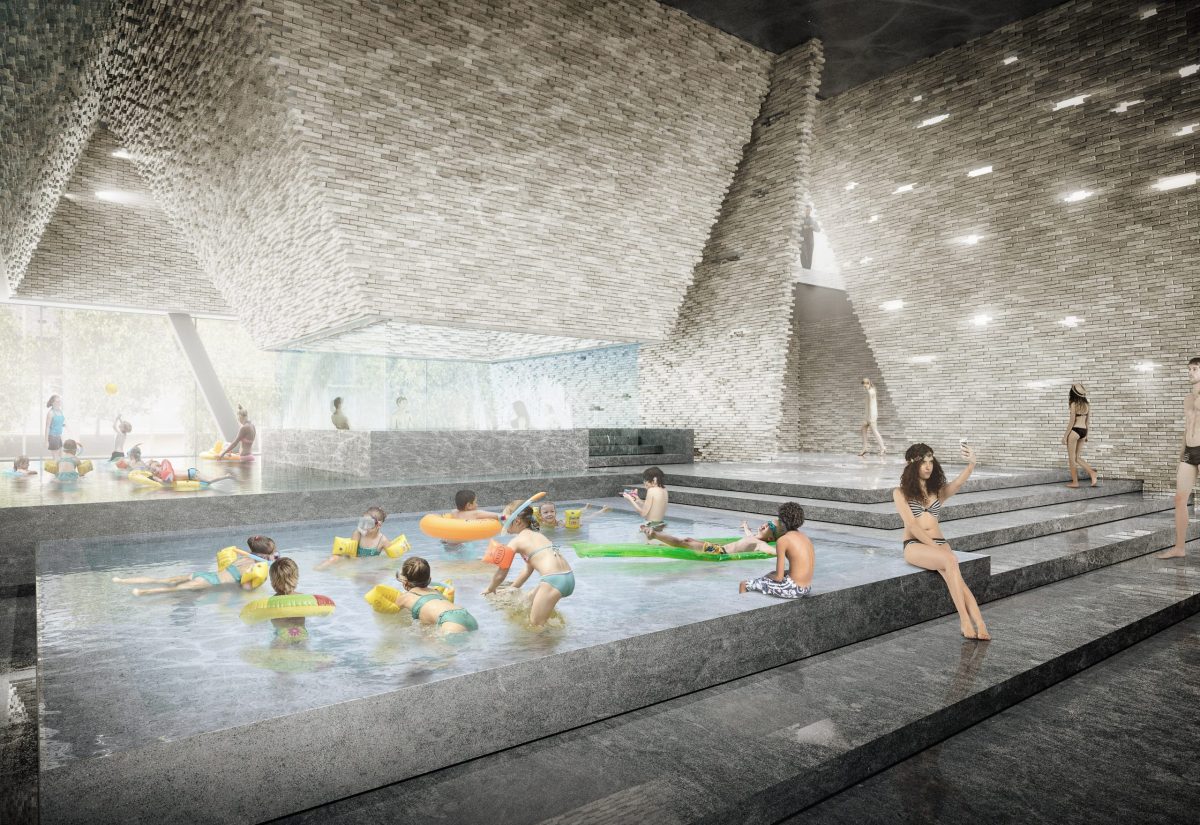
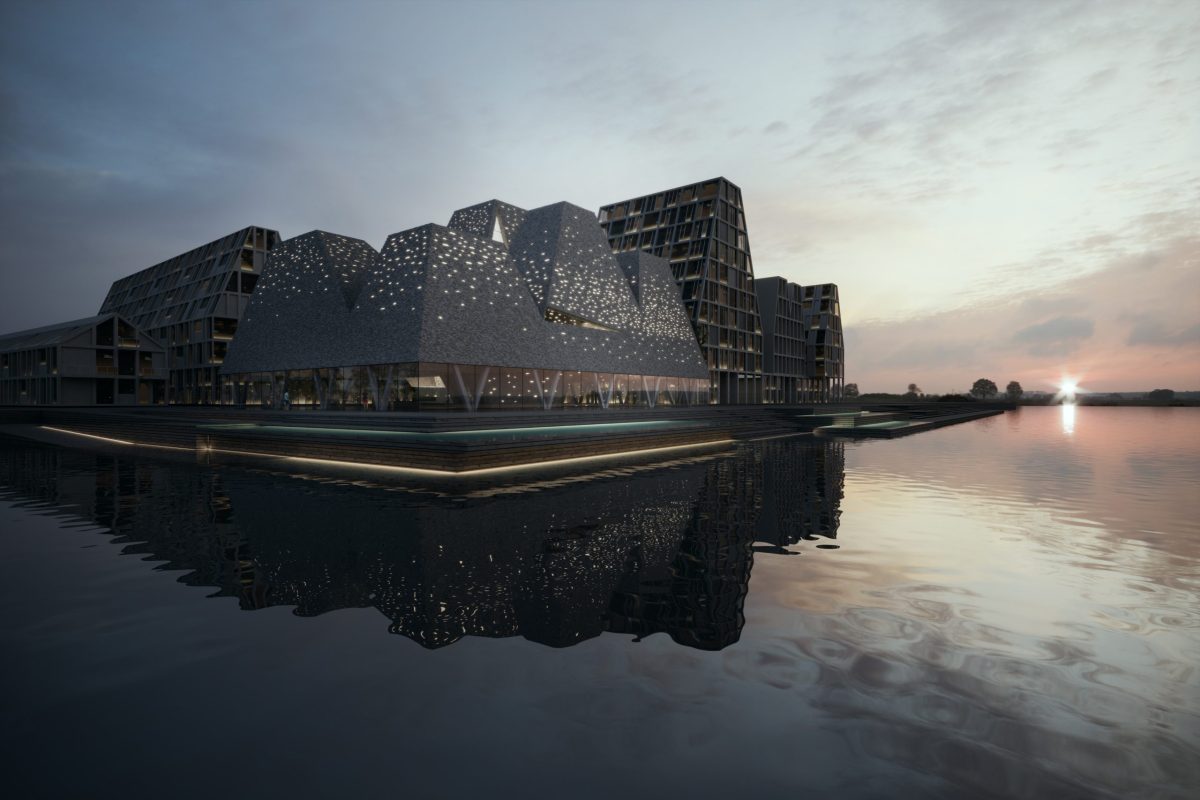
KAI is a striking structure of glass and handmade brick. The ground floor is fully glazed, housing a fitness pool, a teaching pool, and three children's play pools. Above that, five brick towers rise, each shaped to echo the pools below. The building uses 300,000 handmade bricks, giving it a warm, textured look that stands out against the harbor. With 403 windows, you'll get sweeping views of the city and water from almost anywhere inside.
The facilities are impressive. There are ten pools in total, including an outdoor Valley Pool nestled between the brick towers, where you can swim under open skies through all four seasons. A heated onsen pool offers a panoramic view over the harbor, and there are three saunas, a steam bath, and a heated stone to lounge on. The complex also includes cultural spaces, making it more than just a place to get wet.
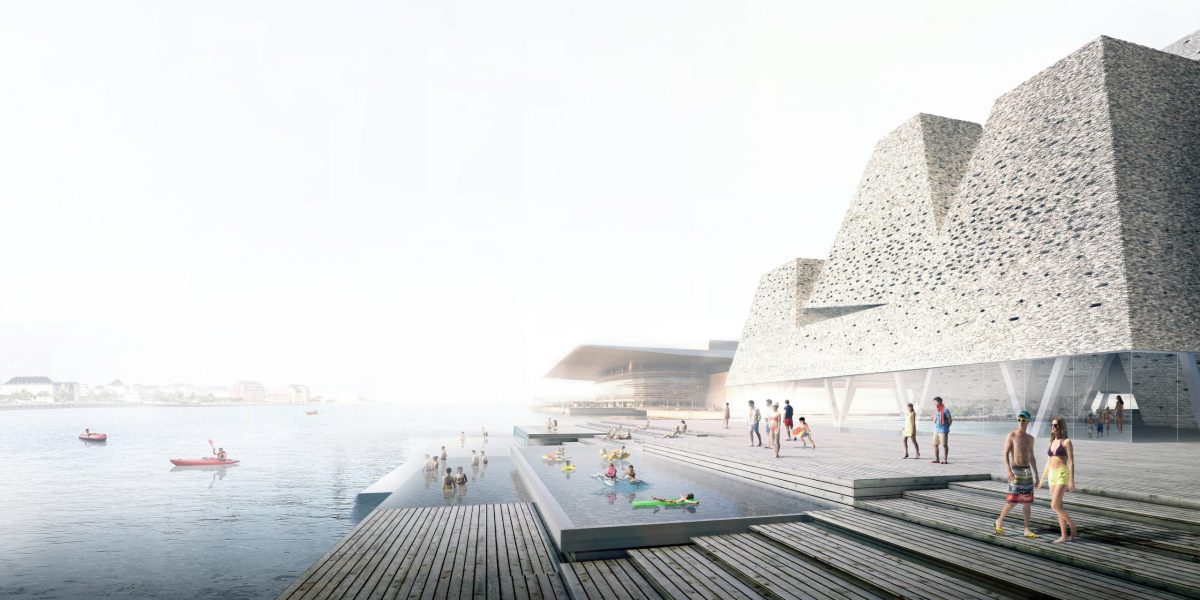
What's particularly exciting is that KAI won't break the bank. Despite its luxurious looks, admission prices will be aligned with Copenhagen's other municipal swimming facilities. The indoor areas will be open from 6:00 am to 9:00 pm, seven days a week. And if you prefer a more natural dip, there's a separate swimming and dipping zone along the waterfront, connected by a timber boardwalk, which is expected to open in early 2027. That zone will be accessible year-round, 24 hours a day.
Yuki Ikeguchi, the lead architect at Kengo Kuma & Associates, describes KAI as a civic institution dedicated to water and community. "It creates new settings for everyday life in Copenhagen, where physical and mental wellbeing can become a natural part of urban life," she says. The project was realized in collaboration with Cornelius Vöge Atelier for Architecture and Vilhelm Lauritzen Architects.
Copenhagen's Lord Mayor, Sisse Marie Welling, is equally enthusiastic. "Copenhagen needs more swimming facilities, so it's incredibly important that we are now getting new pools for adults, as well as paddling pools for children," she says. "I hope it will become the city's new gathering point for water-loving Copenhageners and visitors alike."
If you're planning a trip to Copenhagen, this is a reason to keep an eye on the calendar. The city has been making waves with its waterfront developments, and KAI is set to be a highlight. For more on Copenhagen's evolving travel scene, check out our piece on the airport's new security checks that caused quite a stir. And if you're comparing city breaks, you might be surprised to learn that Sofia just beat Lisbon and Copenhagen for Europe's best city break.
For the latest details on KAI, including opening hours and admission, visit the official site at kai.kk.dk. Whether you're a dedicated swimmer or just someone who loves innovative architecture, this new Water Culture House is worth a visit. It's a bold statement about what a city can do when it listens to its people and invests in public spaces that bring joy and health to everyday life.