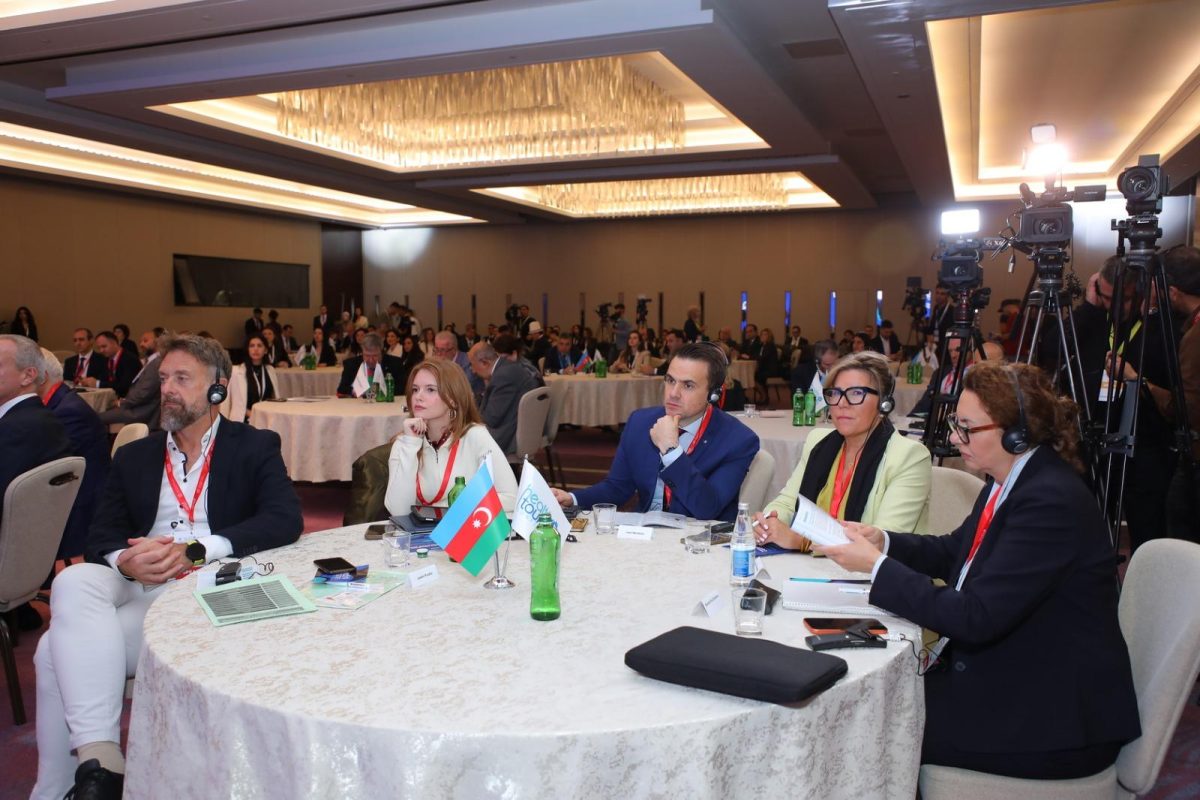
Baku rolled out the welcome mat for a different kind of traveler this week. The third International Health Tourism Conference opened at the Baku Convention Center on 4 November, drawing government officials, hospital leaders, and tourism operators into the same room. The goal was simple to state but hard to pull off, to turn Azerbaijan into a destination where international patients choose to get care.
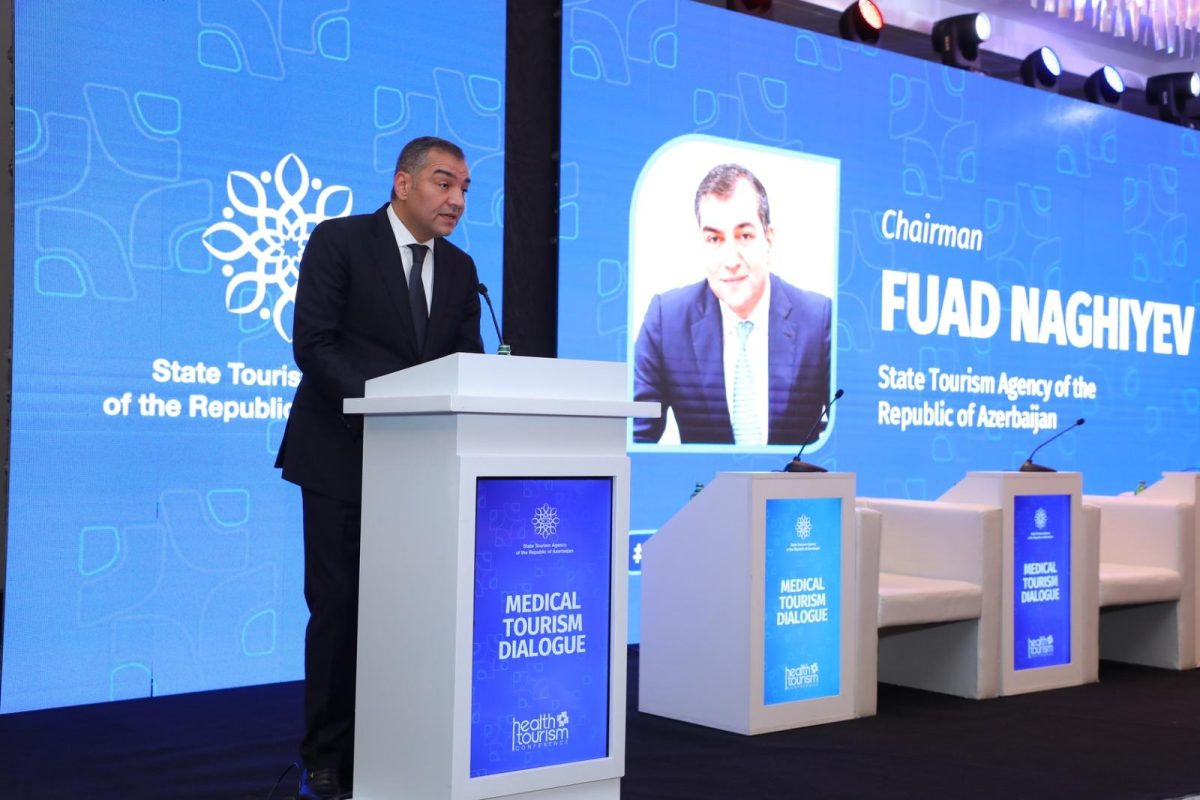
The two-day gathering, organized by the State Tourism Agency, zeroed in on accreditation, standards of care, and the nuts and bolts of a national health tourism strategy. Fuad Naghiyev, chairman of the State Tourism Agency, set the tone early. He said the country's potential in this field only becomes real when tourism and healthcare stop working in silos. His words: close cooperation, trusted partnerships, and a coordinated plan that benefits both visitors and locals.
A strategy takes shape
Deputy Health Minister Nadir Zeynalov told attendees that health tourism could sharpen the country's competitive edge while lifting the quality of care for everyone. He pointed to service quality, patient safety, and public-private collaboration as the pillars to build on. Azerbaijan's geography, its medical infrastructure, and its existing tourism appeal give it a shot at becoming a regional medical hub. But that requires hospitals, travel companies, investors, and international partners to pull in the same direction.
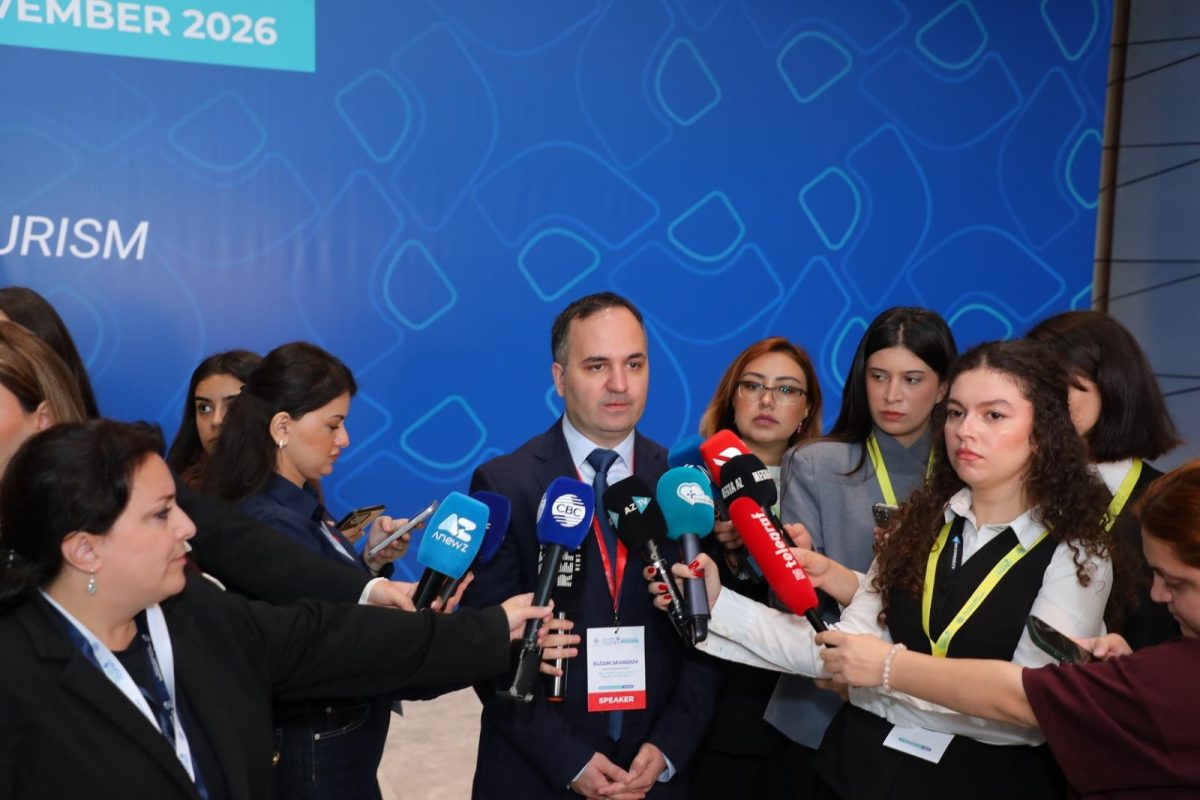
The timing is no accident. Azerbaijan is drafting a dedicated framework under its State Programme on the Development of Tourism for 2026-2030. That plan includes a health tourism strategy and action plan, plus measures to support international accreditation. Elgun Javadov, head of the Cultural Heritage and Regional Tourism Department at the State Tourism Agency, told journalists that a concept document will help define the country's positioning and spell out what resources are needed. He stressed that no single organization can build this sector alone.
Winning patient trust
Accreditation came up again and again in the opening sessions. Monish Arora, deputy CEO of Sea Breeze Health Valley, made the case bluntly. Azerbaijan has the facilities, he said, but providers have to prove their services meet international expectations. That means clear responsibilities and support at every step of the patient's journey, from the first email to follow-up care. Practical details matter too, like responding quickly, speaking the patient's language, and arranging transfers and accommodation without hiccups.
Michel Julian, senior programme officer at UN Tourism, pushed for a long view. A successful strategy needs vision and cooperation between healthcare and tourism institutions. Understanding target markets and building a reputation for quality are central to gaining patient confidence. He pointed to South Korea as a model of market diversification, a destination that attracts patients from many countries. Trust, he argued, is built over time, not overnight.
Counting the numbers
Measuring progress is trickier than it sounds. Participants wrestled with inconsistent definitions and data collection methods across the industry. Julian stressed the importance of identifying why a traveler is in the country. Someone coming specifically for treatment or diagnosis should be counted differently from a foreign worker who happens to need care while living there. Combining hospital surveys, visa data, and tourism statistics can help, as long as everyone uses the same definitions to avoid double counting.
Beyond the hospital bed
Medical tourism got the spotlight on day one, but the conference also explored wellness, prevention, and rehabilitation. Azerbaijan's natural assets are impressive, mineral and thermal waters, therapeutic muds, resort facilities, and Naftalan oil, a substance with a long history in local treatment traditions. The country has been building ties with European health tourism organizations. Earlier in 2026, the Azerbaijan Tourism Board joined the European Spas Association as an advisory member during the HEALTHXCHANGE Summit in Varna.

For travelers, the takeaway is that Azerbaijan is positioning itself as more than a stopover on the Silk Road. It wants to be a place where you go to feel better, whether that means a medical procedure or a week of thermal baths. The strategy is still in the works, but the direction is clear. And as the country works out the details, it might be worth watching how this plays out, especially if you are considering medical travel in the region. For more on how other destinations are handling tourism growth, check out Kazakhstan's tourism makeover or Barcelona's new approach to visitor numbers.