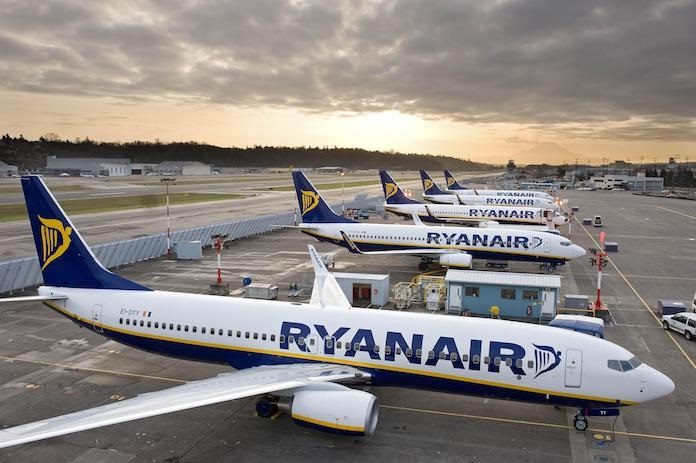
Ryanair just dealt another blow to Spain's regional airports. The Dublin-based budget giant announced it will trim 11% of its summer 2026 flights at Girona-Costa Brava Airport, marking the latest clash in an escalating dispute with Spanish authorities over airport fees.
For travelers, this matters. Girona sits 45 minutes northeast of Barcelona and serves as a vital gateway to Catalonia's beloved coastline and the Pyrenees mountains. It also offers an escape hatch for those exhausted by Barcelona's overtourism problem. Fewer Ryanair routes mean fewer budget options, and fewer competitors usually mean higher fares elsewhere.
A Growing Fee Dispute
Ryanair's frustration stems from what it calls Spain's fundamentally broken airport pricing model. Aena, the state-owned operator controlling nearly all Spanish commercial airports, has already hiked fees by 10% since 2024. The airline says Aena plans another 21% increase over the next five years, a trajectory that makes expansion unprofitable for low-cost carriers dependent on thin margins.
The stakes were high. Ryanair had dreamed big for Catalonia. The airline wanted to base a fifth aircraft in Girona, launch a new hub in nearby Reus, and expand both airports dramatically. Instead, Alejandra Ruiz, Ryanair's Spanish spokesperson, said the company is stuck. "We're still waiting for the Spanish government to fix a system that keeps enriching Aena while bleeding regional airports dry," she explained.
Even with the cuts, Girona will keep 34 routes to 13 countries, including a new line to Bucharest. But that's far short of the 42% growth Ryanair had promised before the fee fight escalated.
The Bigger Picture for Spain
This isn't Ryanair's first round of cuts. Last autumn, the airline announced it was erasing 1.2 million seats from its entire Spanish capacity for summer 2026. That included a complete withdrawal from Asturias Airport in northern Spain and operational shutdowns at three major bases (Santiago, Tenerife North, and Vigo). Winter routes linking Spain and the Canary Islands took a 36-flight hit.
The irony isn't lost on anyone following Spain's tourism debates. As cities like Barcelona and Madrid wrestle with overtourism complaints and politicians push for fewer but wealthier visitors, Ryanair argues the government is actually sabotaging tourism potential. Government data-crunchers and transport officials haven't yet stepped in to arbitrate, leaving regional airports scrambling.
When Ryanair pulls out, other carriers sometimes grab the abandoned slots. But that musical-chairs shuffle doesn't necessarily deliver the same network of destinations or the budget-friendly fares that backpackers and cost-conscious families rely on. The loss ripples through regional economies that depend on connectivity.
What Travelers Should Know
If you're plotting a trip to northeastern Spain in 2026, start monitoring Girona's available routes now. You might see new carriers stepping in, but don't assume prices will drop. Competition breeds cheaper tickets; consolidation usually does the opposite. The airport hasn't lost all Ryanair service, but the reduced frequency could make planning tricky for summer travel when capacity tightens.
Ryanair is formally asking Spain's market regulator and Ministry of Transport to rein in Aena's charges. The airline contends that competitive airport pricing benefits everyone: airlines get room to grow, travelers get choice and lower fares, and destinations attract more visitors. Without intervention, expect more cuts across Spanish airports in the seasons ahead.