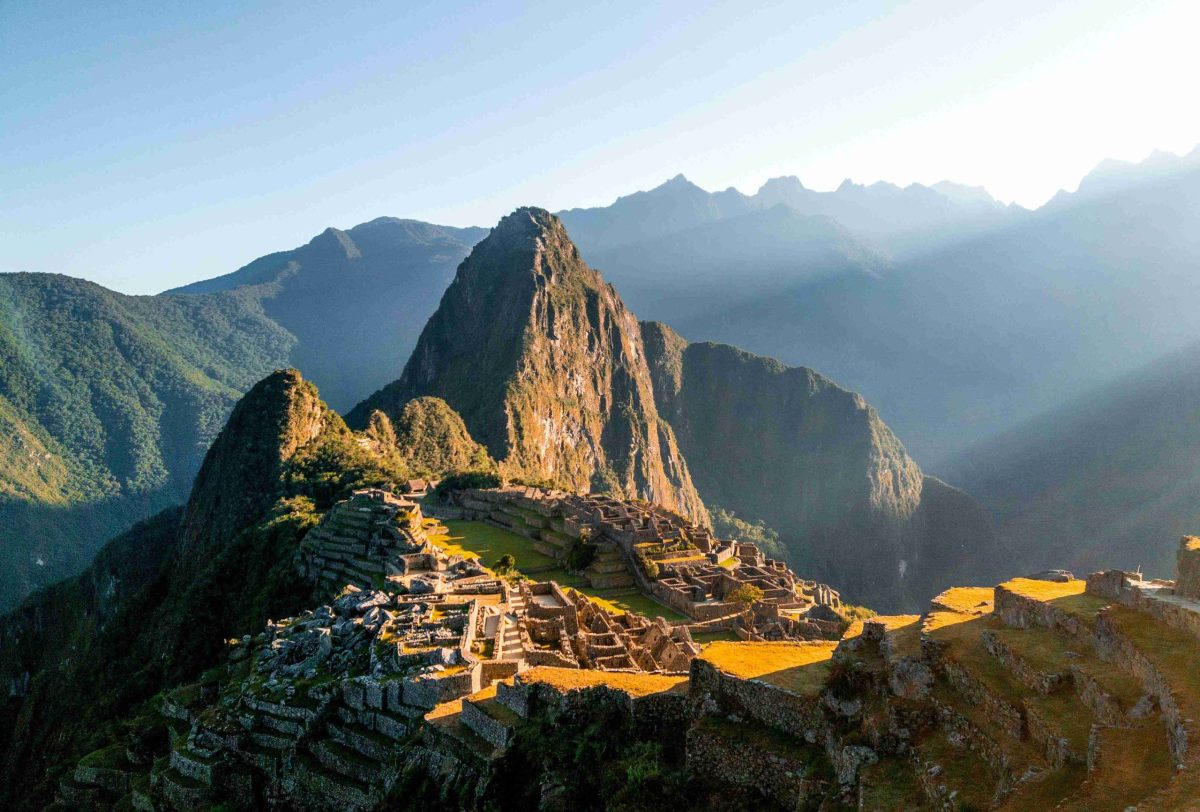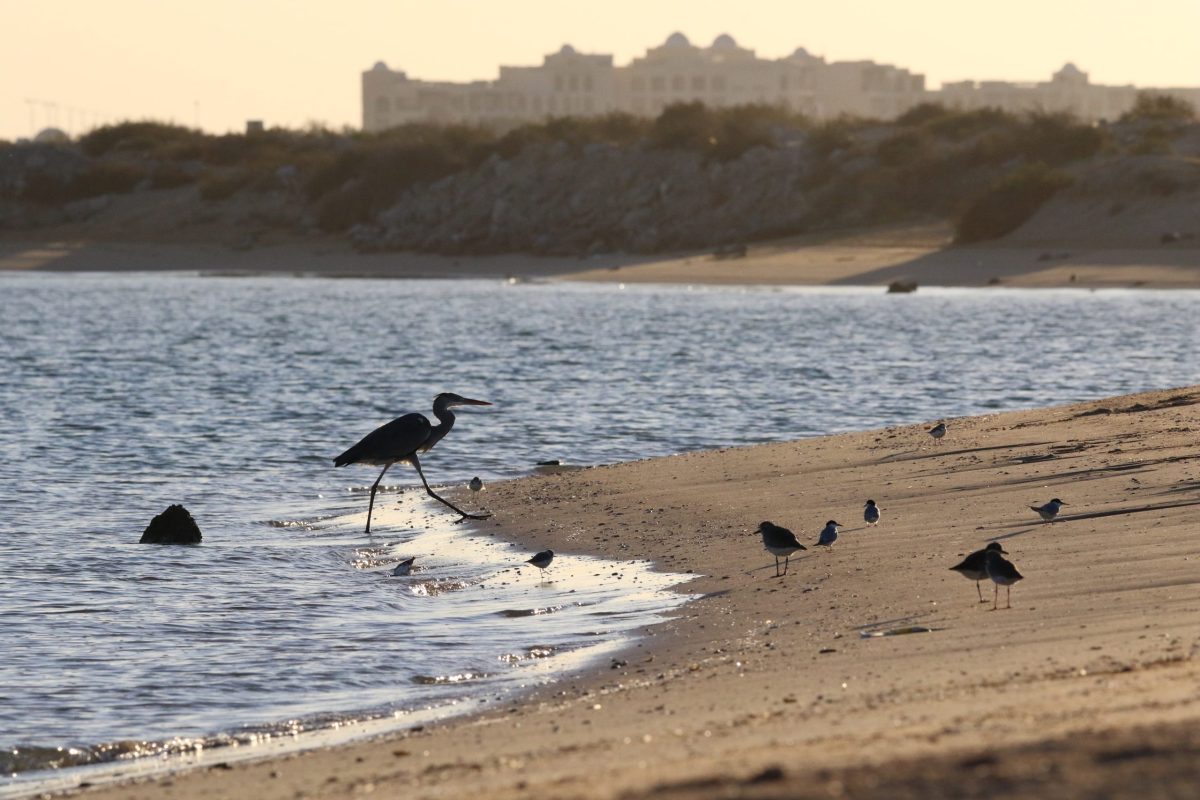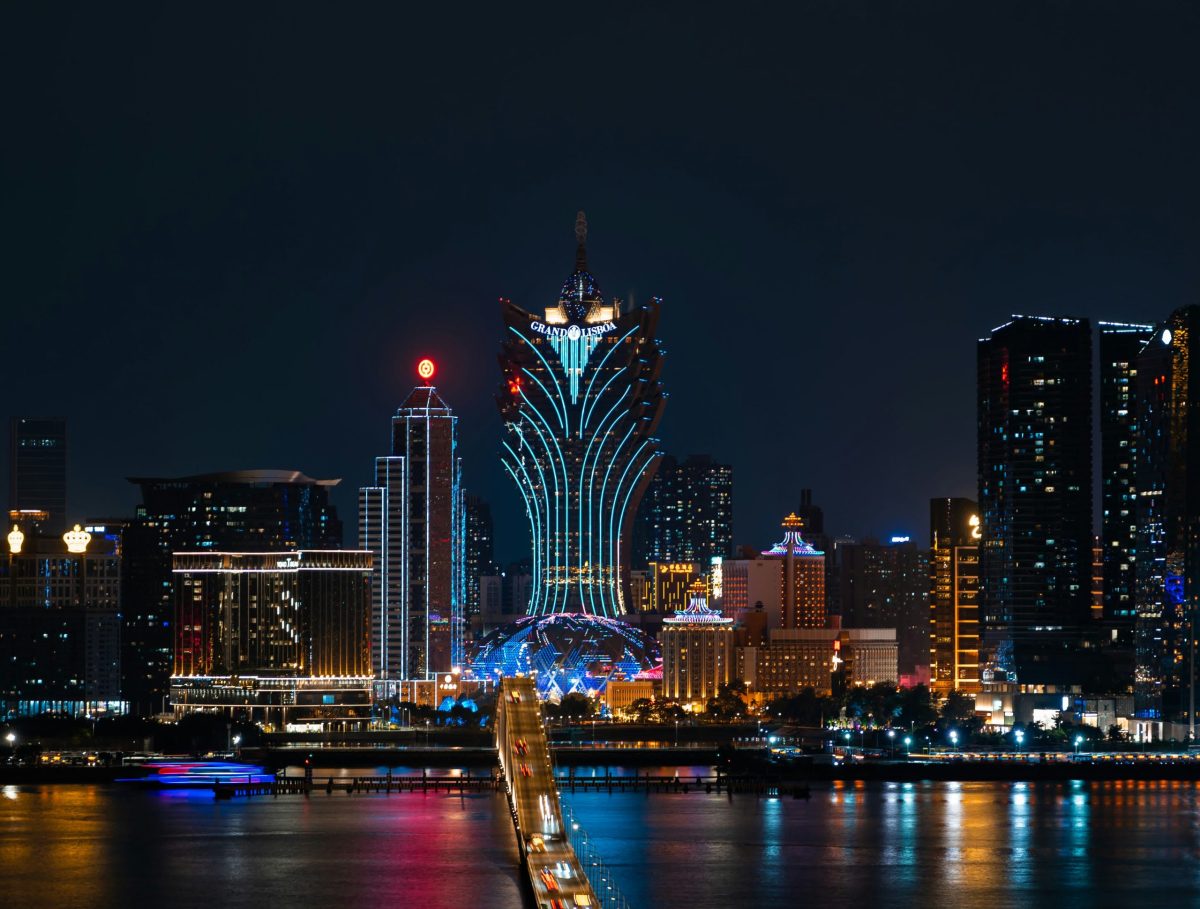
The postcards from Lofoten show picturesque fishing villages frozen in tradition. But those racks of cod drying in Arctic air? They're disappearing. The stable cold needed for centuries-old drying practices has surrendered to unpredictable temperatures. In the Pacific, island nations like Tuvalu are importing drinking water as rising seas contaminate freshwater supplies. And across Europe's beloved coastal destinations, flood insurance is becoming a luxury many can't afford.
This isn't futurism. This is happening right now, in the places travelers love most. Climate impacts that scientists predicted decades ago have stopped being abstract and started being operational headaches for hotels, tour operators, and local communities. The seasons are shifting. Infrastructure is buckling under pressure. Ecosystems are rewiring themselves in real time. The question isn't whether change is coming anymore. It's whether destinations can rebuild fast enough.

The gap between knowing and doing
Here's the frustrating part: nobody is surprised by any of this. Climate scientists have been sounding alarms since the 1980s. The data is comprehensive. The projections are sharp. Yet political action remains sluggish, fragmented, and often reactive rather than preventive. Bart Rymen, Belgium's IPCC focal point, puts it bluntly: "The knowledge is there, the political will is missing." Without that political commitment, scientific evidence alone won't trigger the sweeping changes destinations actually need.
Misinformation and weak climate literacy don't help. Neither does a media landscape that sometimes treats settled science as a debate that needs both sides represented equally. Hans Bruyninckx, former director of the European Environment Agency, notes that journalists still invite him to discuss climate change with deniers despite overwhelming scientific consensus. "The real conversation," he argues, "isn't about whether climate change exists. It's about how to navigate its complexity." Traditional media's financial struggles have also meant less investigative climate journalism, leaving the public with fragmented understanding instead of depth.
When economics finally shout louder than science
Here's what actually moves policymakers: money disappearing from bank accounts. Environmental warnings can sit on shelves for years, but when insurance claims spike or property values drop, suddenly climate gets taken seriously. Belgium alone could see a 40 percent jump in flood-related insurance claims by 2040. In some global regions, obtaining insurance is becoming nearly impossible, with cascading effects on housing, lending, and investment.
Tourism destinations are already navigating this crunch. Operators in coastal areas are watching their operating costs climb while customer confidence fluctuates. Some travelers are rethinking their beach holidays when storms become less predictable and water security uncertain. The financial pressure is real, immediate, and impossible to ignore.

Building resilience instead of just reacting
Forward-thinking destinations aren't waiting for disasters to happen. They're exploring ecological resilience and circular economy models that absorb shocks rather than collapse from them. Mangroves and wetlands, for instance, act as living buffers against flooding and coastal erosion. "Wetlands can absorb wave energy and soften impacts before they reach human settlements," explains Gudrun De Boeck, head of the ECOSPHERE Research Group at the University of Antwerp. Nature-based solutions cost less than concrete seawalls and often benefit local ecosystems simultaneously.
Some tourism businesses are rethinking their entire model. Rather than chasing maximum visitor volume, they're embedding themselves in local food systems, markets, and cultural practices. Club Marvy in Turkey demonstrates this shift. Instead of the all-inclusive resort bubble where tourists consume without connecting, guests engage with actual communities and local economies. This creates more resilient local tourism sectors that don't collapse when one source market dries up.
What COP31 actually needs to be about
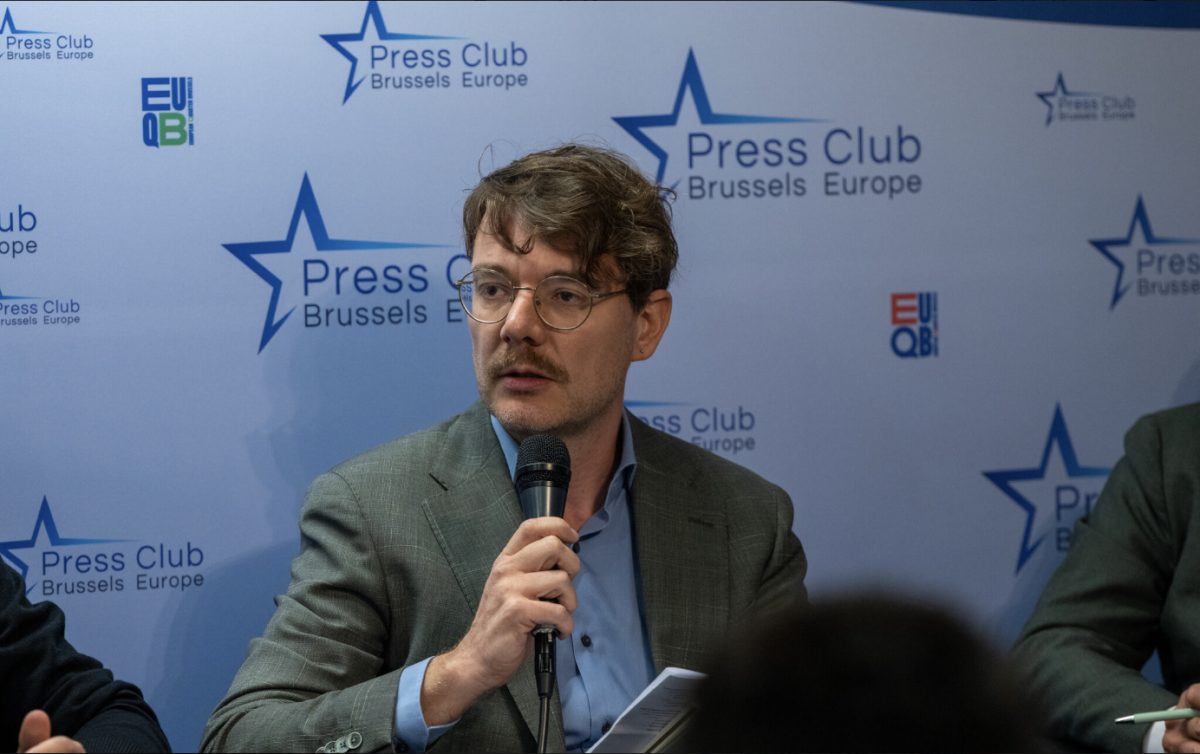
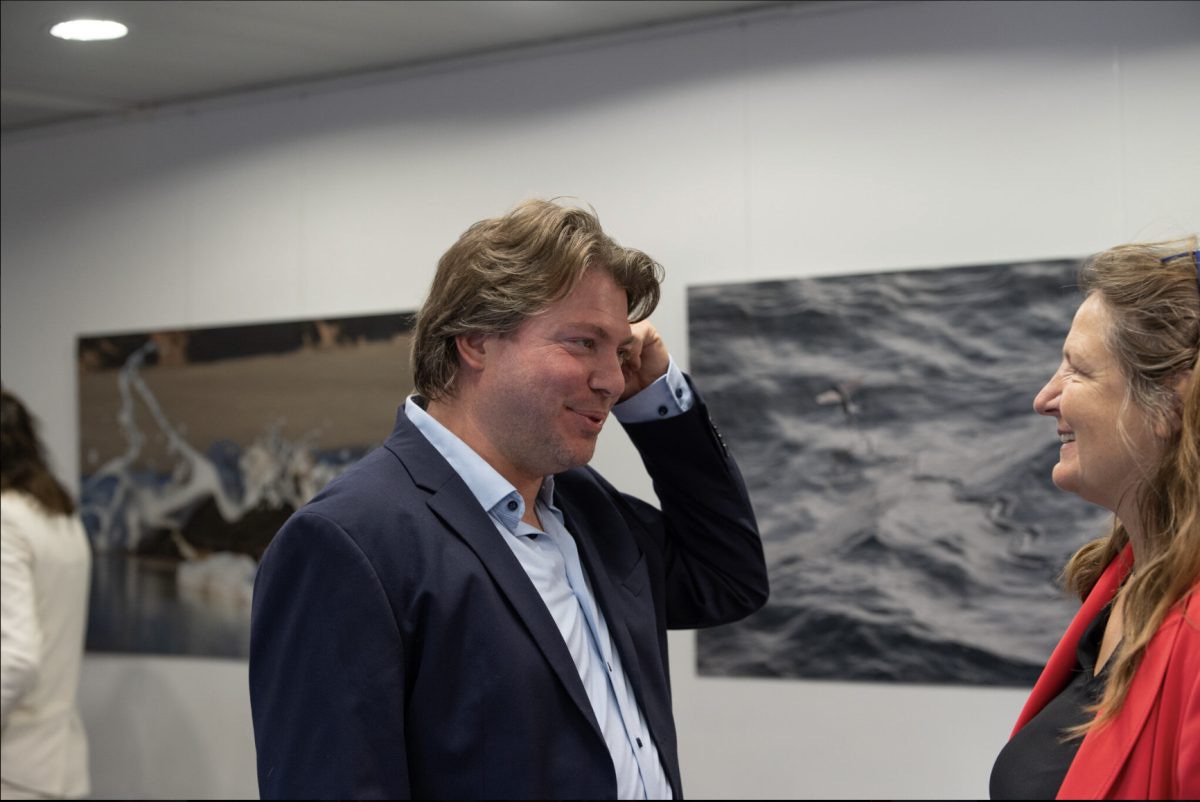
Conversations leading up to COP31 in Antalya are shifting tone. Instead of purely debating long-term carbon targets, there's sharper focus on immediate adaptation and resilience for regions already under stress. Policymakers, scientists, and industry leaders gathered in Brussels are grappling with a uncomfortable truth: we can't prevent all the impacts coming over the next decade. What we can do is prepare destinations to survive them and help local communities thrive anyway.
Tourism, by its nature, sits at the intersection of environmental health and economic prosperity. When one falters, the other follows. The travelers arriving in 2030 won't see the destinations they expect unless someone acts now. That's not a projection. That's a promise worth keeping.