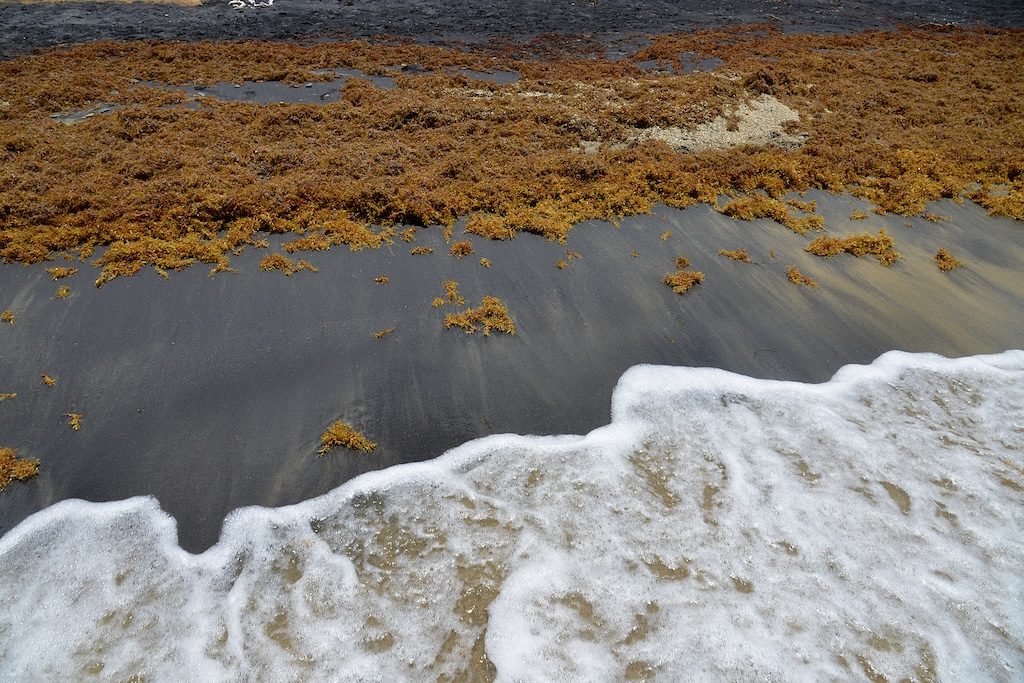
Since 2011, something has shifted in the Atlantic Ocean. Massive carpets of brown sargassum seaweed have washed onto Caribbean shores, transforming what was once a seasonal nuisance into a year-round headache for beach destinations. Scientists now believe the blooms have entered a self-reinforcing cycle, meaning this isn't a temporary crisis. It's the new normal.
For travelers, the impact is immediate and unavoidable. Imagine arriving at your dream beach only to find mountains of decomposing seaweed coating the sand. The smell hits you first: a putrid stench of rotten eggs caused by hydrogen sulfide gas released as the algae breaks down. One local manager in Cozumel put it plainly: "Travelers don't like the smell, and it affects our beautiful beaches." Beyond aesthetics, the problem strangles entire economies. Fishing boats can't leave harbor. Hotels lose bookings. Coral reefs suffocate under layers of decomposing biomass.
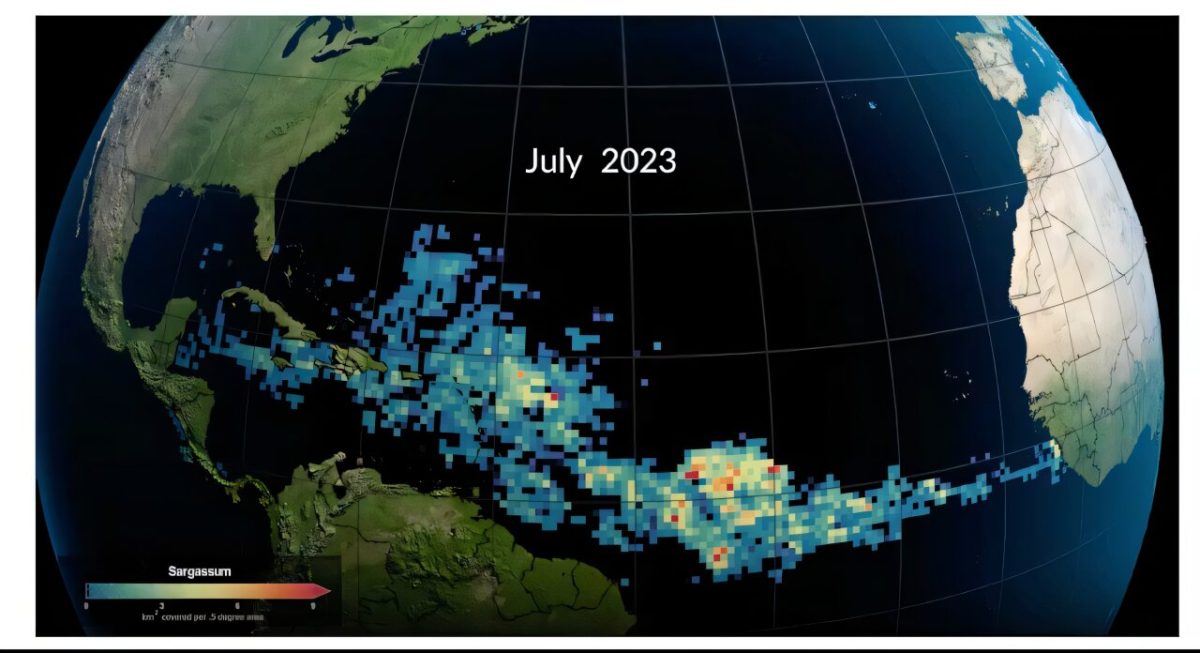
The story of how we got here involves multiple culprits. Agricultural runoff, warming ocean temperatures, stronger currents, and dust blowing across from the Sahara Desert all contributed to the first major bloom around 2011. Scientists initially hoped these were temporary triggers. But new research has upended that assumption.
How Seaweed Learned to Sustain Itself
Sargassum isn't inherently evil. In fact, floating mats of this brown seaweed function like miniature floating cities in the open ocean, providing shelter and food for fish, shrimp, crabs, and countless smaller organisms. The Sargasso Sea, where sargassum naturally thrives, hosts one of the ocean's most unique ecosystems. The problem erupts when volume explodes and the seaweed reaches coastal zones.
Here's where things get worrying. Scientists studying the Great Atlantic Sargassum Belt discovered something unexpected: the seaweed appears to have developed a self-perpetuating system. As animals feed on the floating mats, they release nutrients back into the water. As older sargassum decomposes, it recycled those same nutrients back into the system, effectively creating food for the next generation of blooms. It's a vicious loop that feeds itself.
Researchers built mathematical models to test this theory, and the numbers backed them up. The model successfully reproduced every major bloom between 2011 and 2022, then accurately predicted the blooms of 2023 and 2024. The predictions were correct, confirming a chilling hypothesis: the seaweed belt has become entrenched. One scientist noted that under favorable conditions, blooms can double in size within just 18 days.
The Ripple Effects for Coastal Tourism
The scale is staggering. Large quantities of sargassum block shipping lanes, choke fishing grounds, and create dead zones where oxygen levels plunge so low that marine life cannot survive. Coral reefs face particular danger. When decomposing seaweed piles up in shallow coastal waters, it degrades water quality and creates conditions hostile to the corals that build the very reefs tourists travel thousands of miles to see. For destinations like the Bahamas, Belize, and Mexico's Caribbean coast, where reef tourism generates billions annually, this represents an existential threat.
Early warning systems offer some hope. If scientists can forecast blooms weeks in advance, coastal communities can mobilize cleanup crews and minimize damage to tourism infrastructure. But managing an invasion this scale requires thinking differently about what sargassum actually is.
Turning a Crisis Into Opportunity
A growing number of researchers and entrepreneurs are reframing the problem entirely. What if sargassum could become a resource instead of purely a curse? The emerging "blue economy" focuses on using ocean resources sustainably while protecting marine environments. Sargassum researchers are exploring biofuel production, creating natural fertilizers, and developing construction materials partly made from harvested seaweed. In Barbados, scientists have successfully combined collected sargassum with wastewater from the rum industry to create biofuel. Mexican innovators have tested building products that incorporate the seaweed.
These aren't silver bullets that eliminate the blooms. Complete prevention may be impossible at this point. But if harvested sargassum can be converted into valuable products, it transforms the economics of cleanup. Instead of viewing removal as pure expense, coastal communities might eventually view it as resource extraction.
For travelers planning Caribbean trips, the takeaway is simple: check conditions before you book, particularly if pristine beaches are your priority. Some destinations may offer fewer sargassum days during winter months. Others are implementing aggressive cleanup protocols. The seaweed won't disappear, but smart travelers and smart destinations will learn to work around it.
What was once a coastal annoyance has evolved into one of the Caribbean's defining environmental challenges. The question now isn't whether sargassum will return. It's how destinations will manage its presence while protecting the ecosystems and economies that depend on healthy beaches. Like Greece's recent beach protections, the future of Caribbean tourism may depend on smarter management of coastal resources.