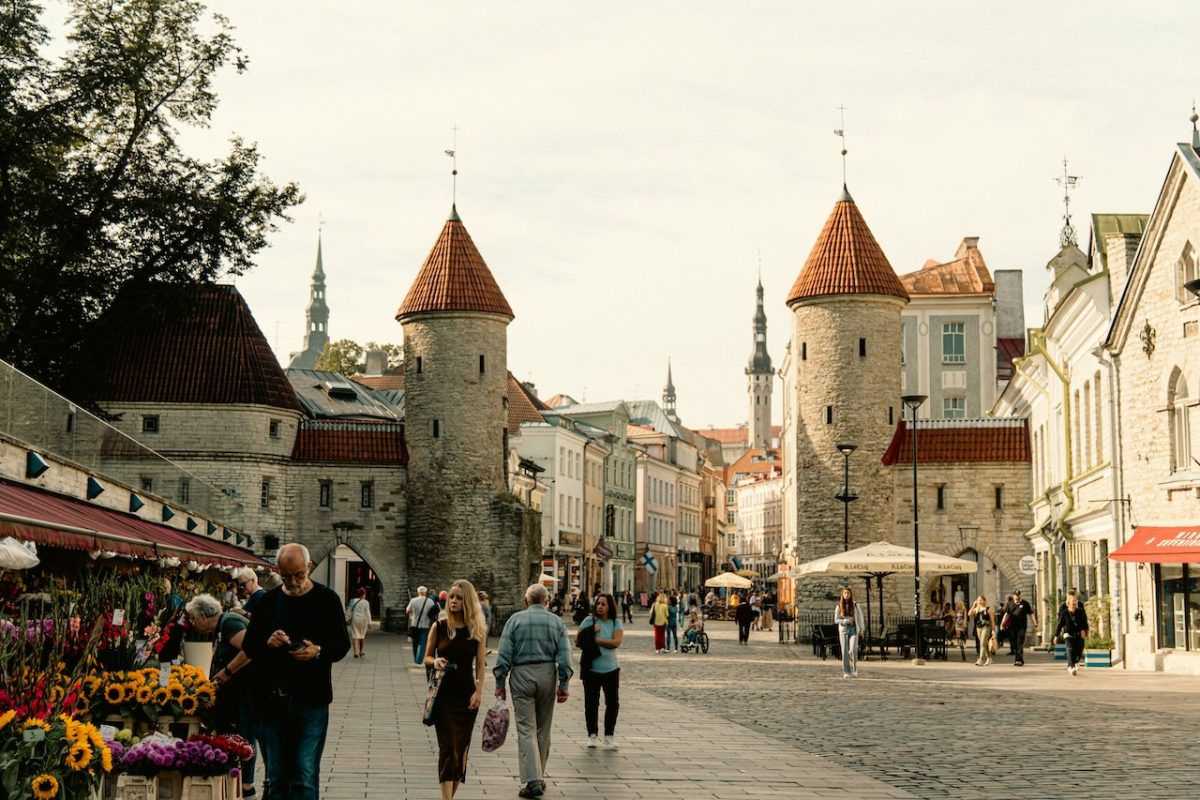
The Rumavi Global Relocation Index 2026 just dropped, and the results are reshaping where ambitious people plan to put down roots. Out of 192 countries and territories worldwide, Estonia has seized the number one spot, leaving everyone else in the dust.
What's remarkable about this ranking is how it mirrors a quiet but massive shift in global migration. Europe's edge and Southeast Asia's booming economies are now the places people actually want to live. The only non-Asian, non-European territory to crack the top ten is the Caribbean island paradise of St Kitts and Nevis, sitting in eighth place.
The Rumavi index evaluates nations across 24 separate criteria, pulling data from heavyweight sources like the World Bank, the Mercer Cost of Living Survey, the Global Peace Index, and World Bank government effectiveness metrics. The scoring looks at taxation, living costs, healthcare quality, safety, political stability, environmental conditions, and how welcoming locals are to newcomers.
Why Estonia is winning
Estonia's victory makes sense once you dig into what the country actually offers. This former Soviet state now enjoys Eurozone membership and has built one of the world's most advanced digital economies. The crime rate is impressively low, the whole nation is basically blanketed in nature, and the government has made it ridiculously easy to move there through Digital Nomad visas and e-Residency programs.
Here's the thing that really sets Estonia apart: over half the country is pure forest. The air ranks as Europe's second cleanest. Population density stays refreshingly low compared to the rest of the region. And Estonia has taken bureaucracy and eliminated most of it. Ninety-nine percent of government services run online, available 24/7.
The rest of the top ten
Singapore and Malaysia follow in second and third place overall, though it's worth noting that Malaysia actually ranks first when the index specifically weighs for digital nomads. Portugal, sitting on Europe's western edge, claims fourth place globally but jumps to second among digital nomads, scoring especially high for currency stability, banking infrastructure, and political reliability.
Taiwan lands fifth, followed by Lithuania (Estonia's Baltic neighbor and fellow winner in this global recalibration). Hong Kong takes seventh. Then comes St Kitts and Nevis, the Caribbean breakthrough. The former Soviet satellite Czechia also makes the cut in the top ten, standing as one of Europe's fastest-growing tourism economies. Malta rounds out the list at tenth place.
The fact that Central and Eastern Europe is becoming a magnet for relocators signals something bigger happening in the global travel and migration scene. People are recognizing that growth, affordability, and quality of life exist far beyond the traditional Western hubs.
Tailoring relocation to your life
What makes Rumavi genuinely useful is that it doesn't pretend all relocators are the same. The platform breaks rankings into separate lists for families, solo individuals, retirees, and entrepreneurs. You can filter by region, take personalized quizzes to narrow down your options, and actually explore what works for your specific situation rather than just looking at a single global ranking.
This matters because the best place to move depends entirely on where you are in your life. A family with school-aged kids has different needs than a remote freelancer or a retired couple. The fact that Portugal climbs the charts for digital nomads specifically shows that different skill sets and lifestyles benefit from different destinations.
If you've been thinking about making a move, or just curious about where the world's opportunity is shifting, the Rumavi index offers real insight backed by serious data. Estonia's top position isn't just a fun fact. It signals that smaller, tech-forward nations with strong governance and natural beauty are starting to outcompete traditional expat havens. The world's best places to live in 2026 are getting smaller, greener, and a lot more digital.