Philippe Pleckspaen wasn't trying to revolutionize travel. He was just frustrated. After a work trip to Madrid, he and two colleagues went for a jog through the city's streets. They passed intriguing landmarks, historic squares, and charming corners, but had no clue what any of them were. That shared moment of curiosity sparked something bigger: an app called Jooks that pairs physical activity with genuine local discovery.
Today, Jooks operates in more than 300 cities across 75 countries. The concept is simple but powerful. Users download the free app, select a route in their destination, and get guided around town via GPS while an audioguide narrates the history, significance, and stories of places they pass. Whether you're running, cycling, walking, or using a wheelchair, you're not just moving your body. You're actually learning something about where you are.
From Mad Madrid Run to Global Network
That initial spark led Pleckspaen and his colleagues Olivier and Christophe to build something genuinely useful. They partnered with local tourism boards and chambers of commerce, each paying an annual fee to co-create routes that highlight their region's character. The result is roughly 500 carefully curated routes, available in 12 languages, ranging from leisurely 4 km strolls to ambitious 40 km cycling expeditions.
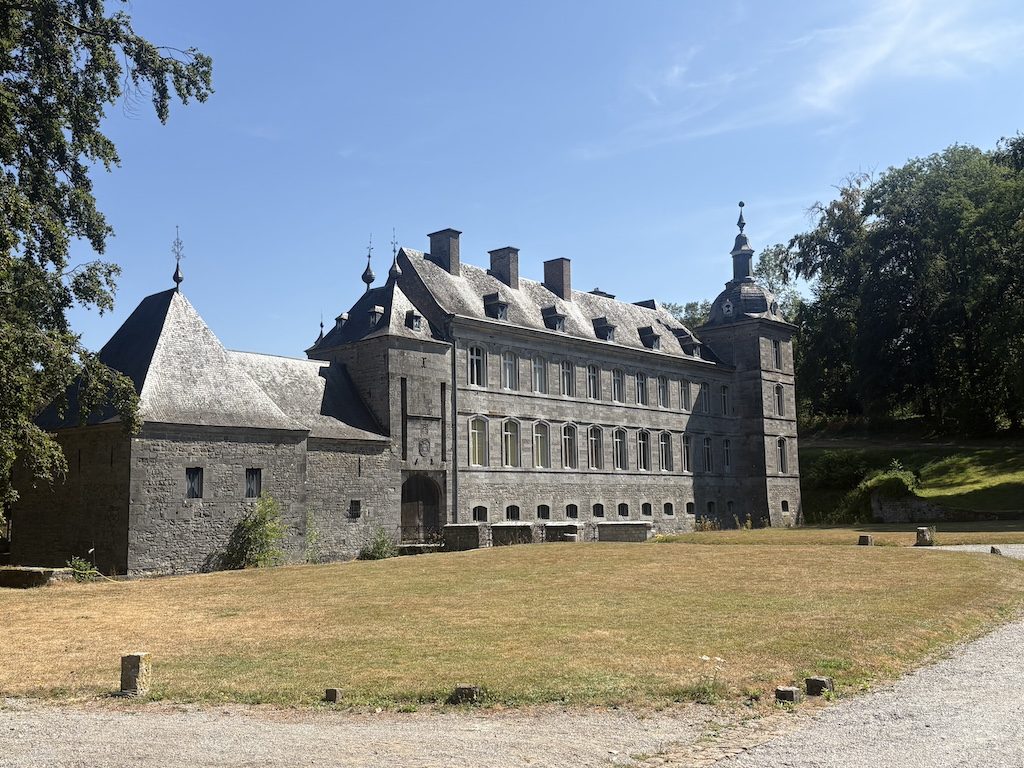
The routes aren't generic tourist tracks. They're built by people who know the ground. In Gerpinnes, Belgium, the app guides runners past medieval monuments, castles, fountains, and churches, including Saint Michael's Church, which houses the remains of Saint Rolende, a 9th century figure tied to local folklore and tradition. The audioguide doesn't just tell you these places exist. It tells you why they matter.
Belgium has become a hub for the platform, with 42 routes across the country. Paris alone has 80. Auckland, New Zealand (the birthplace of modern jogging itself) has attracted the app's largest user base. Major cities like London have gotten creative too, with five routes including one specifically designed for wheelchair accessibility.
Why This Actually Works
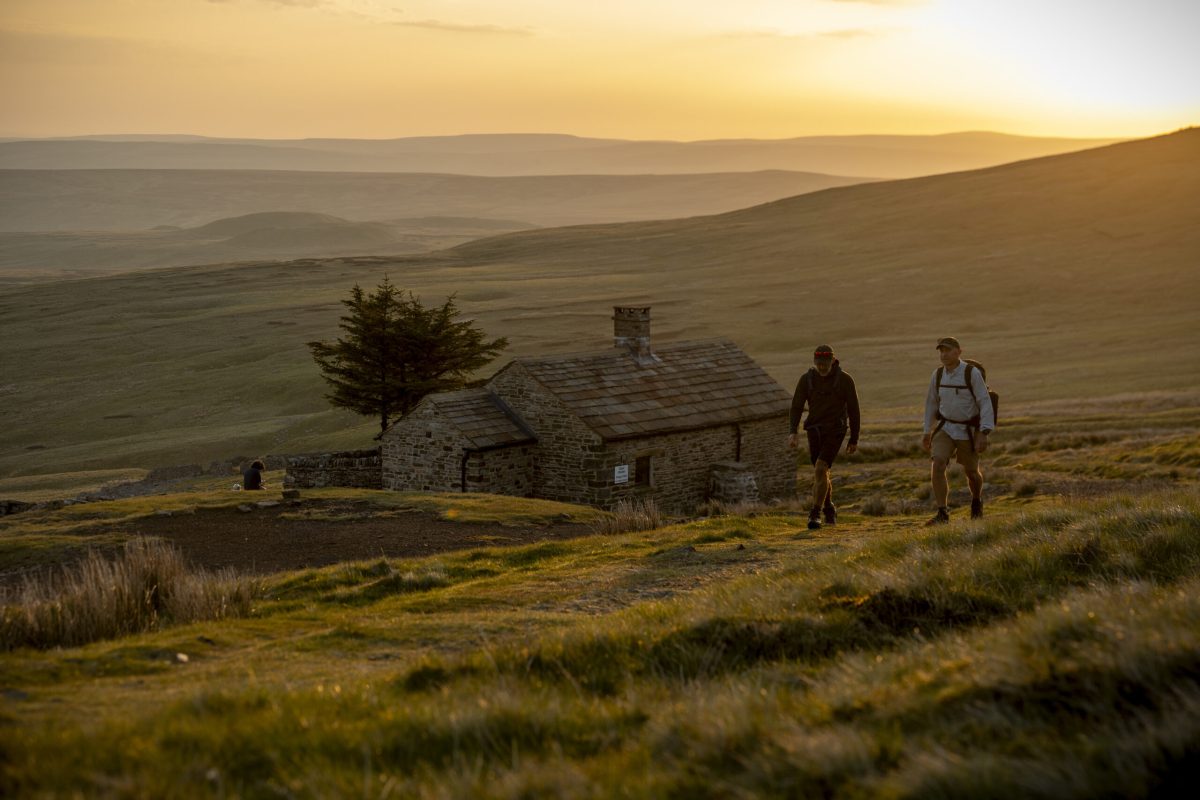
What separates Jooks from a simple map app is that it's built for independent exploration at your own pace. You're not herded along like a tour group. You're not paying per route. The app is free. You control the speed, the rhythm, when you stop to breathe, when you linger at a fountain. The flexibility appeals to serious runners training for races (yes, there's even a route designed for Brussels' famous 20 km annual race), casual joggers, cyclists, and walkers alike.
Local tourism boards love it because it brings foot traffic to places visitors might otherwise miss. Edmond Van der Meiren, president of Gerpinnes' tourist office, saw the potential immediately. "This helps showcase our municipality to a wider audience," he explained, "while encouraging residents to discover places they may not have known about themselves." That dual benefit of attracting external visitors while helping locals rediscover their own backyard is quietly powerful.
Routes With Stories, Not Just Distance
The routes offer themed experiences too. Some focus purely on fitness. Others are tailored to cultural interests, heritage sites, or regional food specialties. The audioguides include information about local landmarks, notable historical figures, and culinary traditions that define each area. As more Europeans seek slower, more intentional ways to experience destinations, an app that marries movement with meaning fits the moment.
Pleckspaen's team remains committed to expansion and refinement. Routes can be adjusted based on user feedback. New routes launch regularly, with Gerpinnes receiving its route in August 2024. The network continues growing because the concept works. It solves a real problem that travelers face: how to see a place authentically, stay healthy, and learn something true in the process.
Whether you're training for a marathon or simply want to understand a new city better, Jooks offers something most travel apps don't: permission to move through a destination on your own terms while actually absorbing its character. That Madrid run that started it all? It was onto something.