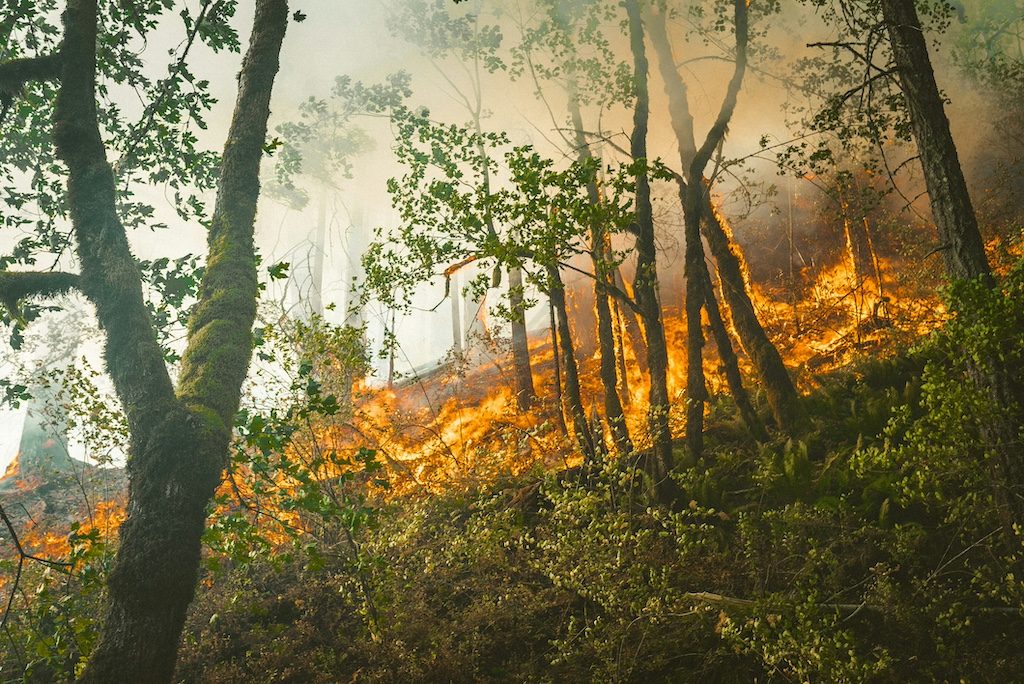
Europe is facing a wildfire emergency unlike anything in recent memory. The heat is relentless, the drought is punishing, and the flames are spreading faster than crews can contain them. If you're planning a trip to the Mediterranean this summer or fall, you need to understand what's happening and how it might affect your travel plans.
Greece Burning from Coast to Mountain
Greece has become the current epicenter of Europe's wildfire crisis. Over 1,000 residents and visitors were evacuated from the Athens area recently, with more than 250 rescued directly from beaches by boat. The scale is staggering: at least 12,000 hectares of forest and agricultural land have burned in the capital region alone. Two helicopter pilots lost their lives in a collision while fighting the fires, a grim reminder of the operation's intensity and danger.
But Athens is just one front. Across the country, dozens of fires ignite every single day. The islands of Crete and Paros have been particularly devastated, with 6,000 hectares destroyed. Greece's Civil Protection Minister Evangelos Tournas admitted the fires have pushed firefighters "to their limits." The situation has been especially severe in Attica, Boeotia, and Fokida, with Voiotia and the island of Evia placed on maximum fire alert. On the Gulf of Corinth, the ancient fortress town of Porto Germeno was evacuated along with surrounding villages after 10,000 hectares burned, destroying homes and vehicles in their path.
The Ionian island of Cephalonia continues to battle blazes as well. If you're considering a Greek island getaway, check current conditions before you book. Some areas remain partially or fully inaccessible.
France and Spain Face Their Own Infernos
Greece isn't suffering alone. France has lost 63,000 hectares of forest and agricultural land since early July. A single fire in the Gironde region has devastated 240 homes and scorched an area spanning 420 square kilometers. Of the 220,000 people evacuated, 12,000 are still unable to return to their homes. While conditions have stabilized somewhat according to Prime Minister Sebastian Lecornu, a separate fire in southeastern France in the Var region remains barely contained and extremely precarious. Road closures can happen without warning as conditions shift rapidly.
Spain has fought even more acreage. Between January and August 2026, the Ministry for Ecological Transition recorded 186,544 hectares of burned forest. While the country lifted its emergency declaration at the end of July, fires continue to rage in Zamora in the northeast and in León after a fresh outbreak in San Tirso. Evacuations have swept through multiple regions, including Veguellina, Valdelaloba, and Castellón, where a week-long fire in Vall d'Uixó consumed 9,568 hectares.
What Travelers Should Do Right Now
The UK Foreign and Commonwealth Development Office warns that Europe faces a high wildfire risk from April through October. The danger isn't theoretical. Wildfires are unpredictable and can shift direction with little warning. If you're traveling in Greece, France, or Spain during these months, register your mobile phone to receive emergency alerts about fires near your location.
Practical steps matter. Avoid littering, especially glass and cigarettes, which can spark fires. Skip barbecues entirely in fire-prone areas. Greece actually treats fire-starting as a criminal offense, even if it's accidental. If you spot a fire or find yourself in immediate danger, call 112 (the emergency number across Europe).
Stay flexible with your plans. Some attractions and regions may become inaccessible on short notice. Monitor official channels like @112Greece for updates. Contact your airline or travel operator immediately if conditions threaten your return travel. Road closures can strand visitors, so don't assume your planned route will be available.
The Bigger Picture
The European Forest Fire Information System reports that wildfire risk remains elevated well into August and early fall, even in northern regions like the UK and Denmark. Record-breaking heatwaves and prolonged droughts have created the perfect storm for catastrophic fire behavior. This isn't a temporary blip. Climate patterns suggest travelers should expect fire seasons to intensify in coming years.
Before you book your next European summer getaway, research current fire conditions and build flexibility into your itinerary. Check regional tourism boards for real-time updates. If you've already planned a trip, don't cancel unnecessarily, but do verify that your accommodations and planned activities remain accessible. Travel during these months is still possible, but it requires awareness, caution, and a willingness to adapt.