London's rail network just got rated Europe's most convenient by Time Out voters, which makes the timing of this announcement rather awkward. Come July 2026, Charing Cross and Waterloo East stations will vanish from the map for 22 days. Yes, right in the middle of school holidays when half the continent is trying to reach the capital.
Southeastern Railway is undertaking a £20 million renovation they're calling a "once-in-a-generation" project. Between July 26 and August 16, 2026, both stations will be completely closed. Additional weekend closures happen July 18-19, August 22-23, and October 10-11. The work involves replacing 1.8 kilometers of track that hasn't been touched since the early 1990s and has become dangerously unreliable, causing over 350 hours of delays in recent years.
Why shut everything down at once instead of spreading the pain? Scott Brightwell, Southeastern's train services director, explains the logic: "By consolidating the work into a 22-day closure, we can complete it more quickly and with less disruption overall than 60 weekend closures or four to five nine-day stints." The company also timed it when commuter numbers drop about 20 percent during the school break, making it easier to reroute passengers safely.
Where Your Trains Actually Go
During the main closure, Charing Cross and Waterloo East services get diverted to Victoria, Cannon Street, Blackfriars, and London Bridge. The London Underground will accept your ticket at no extra cost to complete your journey. Southeastern is deploying extra staff at key stations to help passengers navigate the chaos, particularly those using e-tickets that might not register on alternative routes.
Paper tickets work on some diversion routes, though the system gets messy fast. If your journey is affected, you can claim a refund for any ticket type, including those used on reasonable alternative routes. The refund form launches on Southeastern's website starting July 26.
What's Actually Getting Fixed
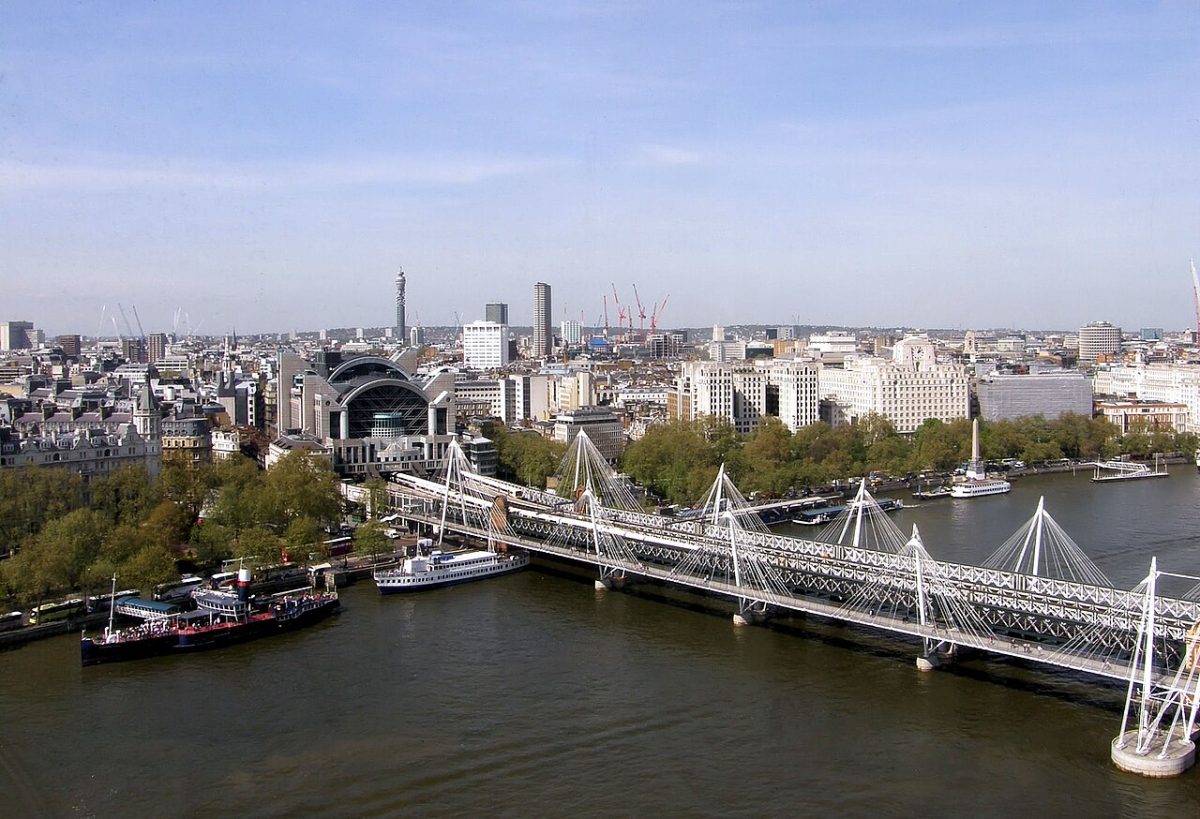
This isn't cosmetic maintenance. The renovation includes complete platform renewal at Charing Cross, better drainage systems at Waterloo East, and serious structural safety work on Hungerford Bridge. Some of that bridge's original ironwork dates back to 1841 when Isambard Kingdom Brunel built it, so it's due for some love.
The new track is the main event though. That 1.8-kilometer stretch has been blamed for chronic delays since it's been running on borrowed time for over three decades. Modern infrastructure means more reliable connections and fewer surprise cancellations.
Plan Ahead If You're Traveling Then
If you're heading to London during those three weeks, build extra time into your journey. The alternative routes work, but they're packed. Better yet, consider shifting your trip if possible. London's Stansted Airport has all-night trains running this summer, which might be your saving grace if you're flying in.
As Europe's travel infrastructure faces pressure across the continent, London is at least being proactive. Major renovations now mean fewer problems down the road. Just maybe don't visit Charing Cross station for three weeks in August 2026.