Kazakhstan is not waiting for the world to discover it. The country is spending big on roads, airports, and tourism services, and the results are starting to show. In the latest Travel & Tourism Development Index, Kazakhstan climbed to 56th place out of 110 economies, with a score of 4.089 out of 7. That's a 1.6% improvement over the previous edition, even as other nations raced ahead.
The real story is in the details. Tourist services and infrastructure jumped 22.7%, the biggest leap in the index. Air transport infrastructure rose 10.3%, and digital readiness improved 5%. These aren't just numbers on a spreadsheet. They translate into smoother journeys, better facilities, and more reasons to linger.
Who's Coming and Why
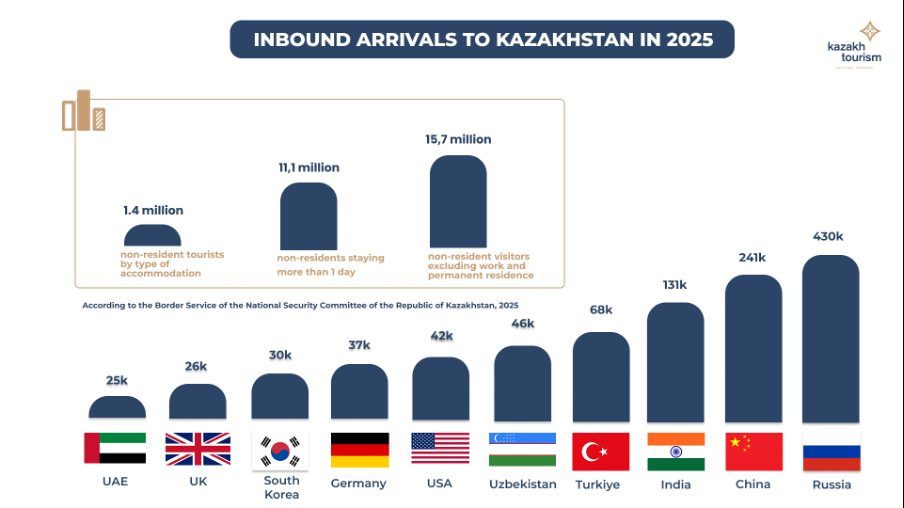
Last year, 15.7 million foreign visitors crossed into Kazakhstan. Of those, 11.1 million stayed more than a day, and 1.4 million checked into hotels or guesthouses. The mix is shifting, with growing numbers from India, China, Europe, South Korea, the United States, and the Gulf. Neighbors still dominate, but the diversity is a sign of broader appeal.
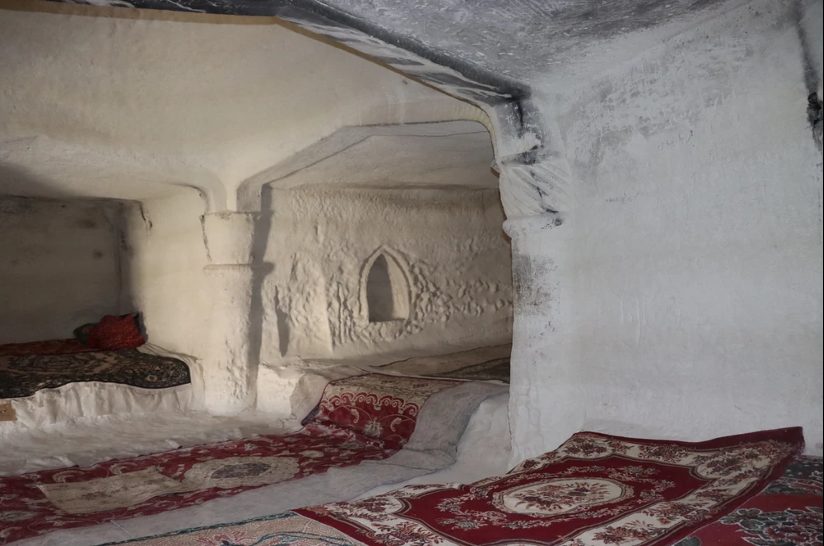
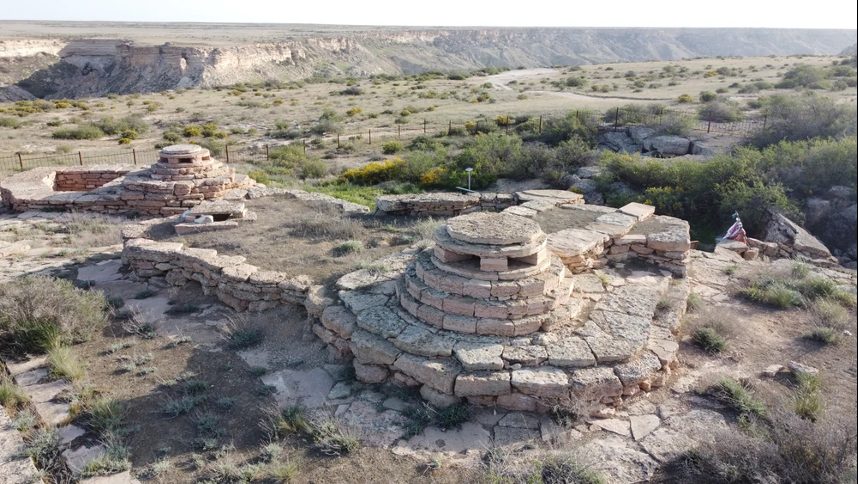
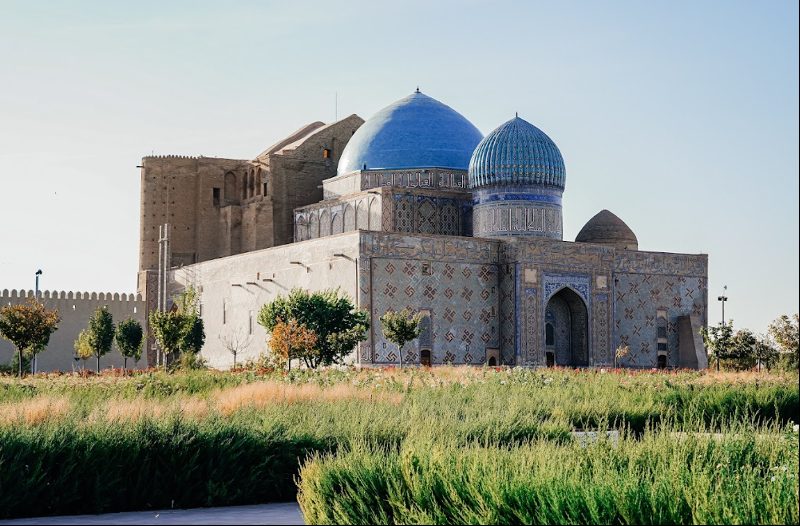
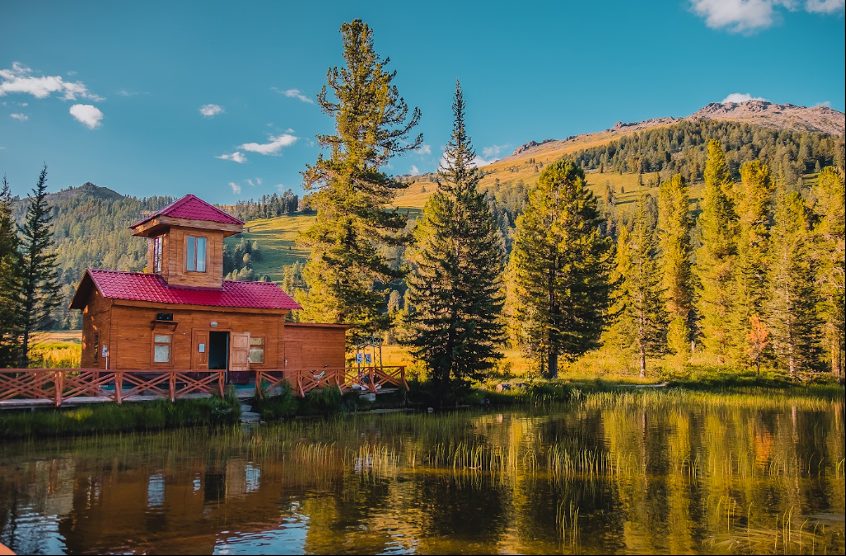
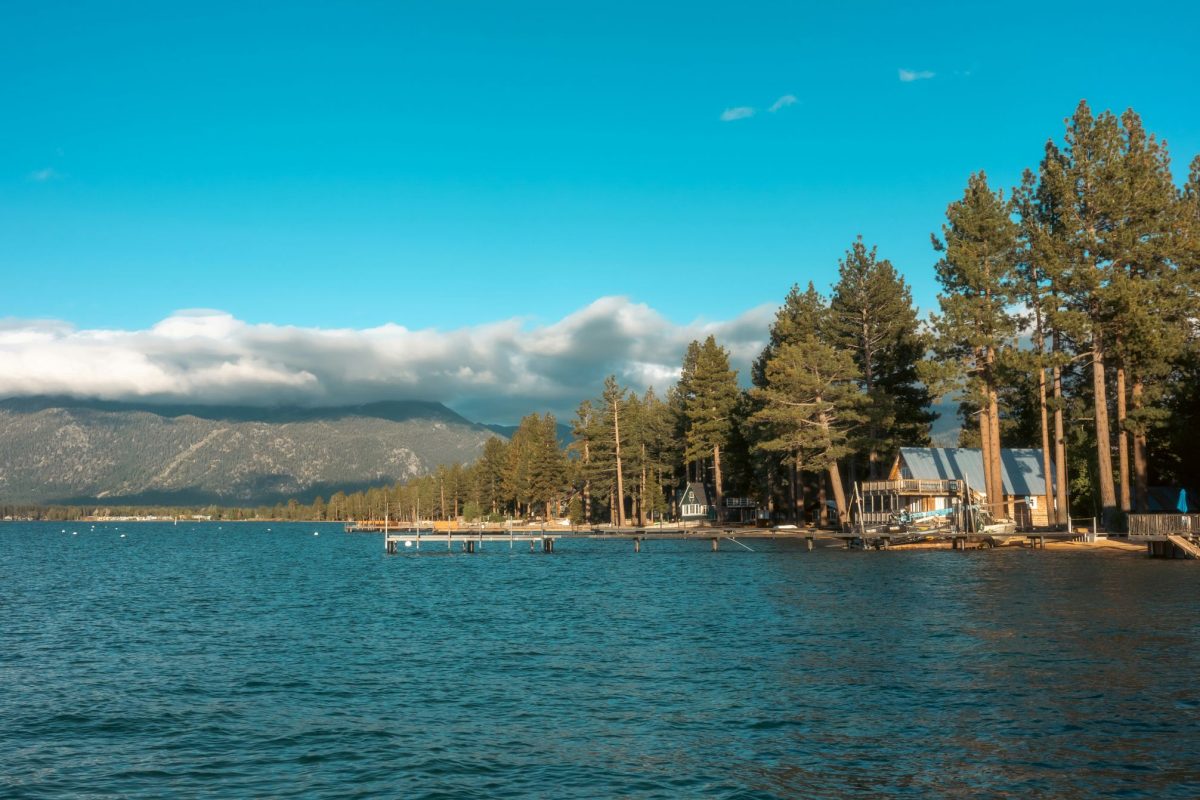
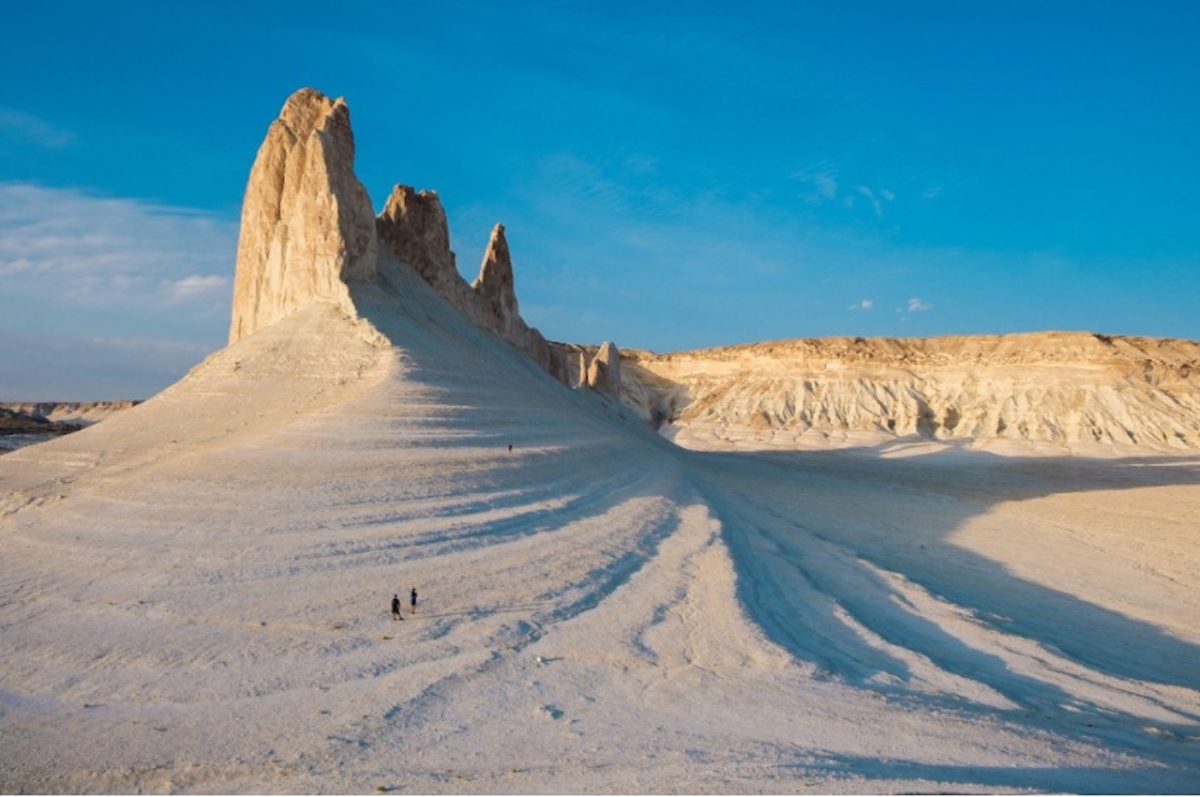
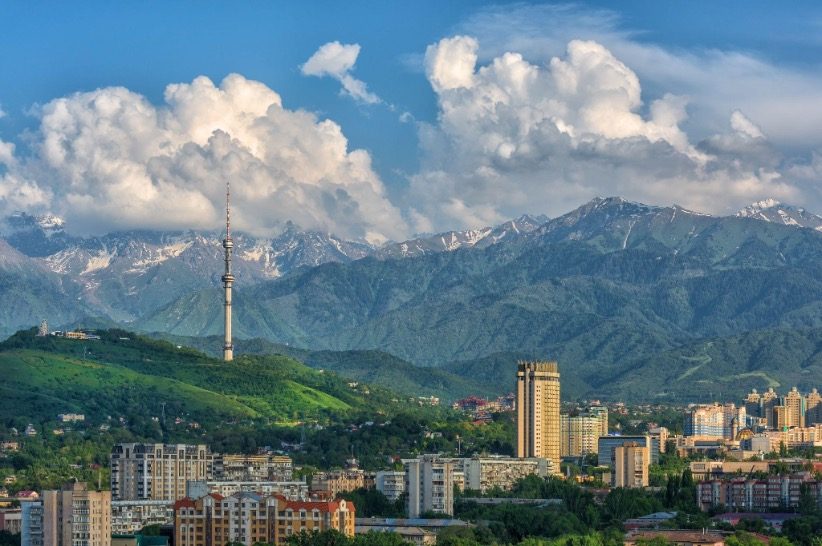
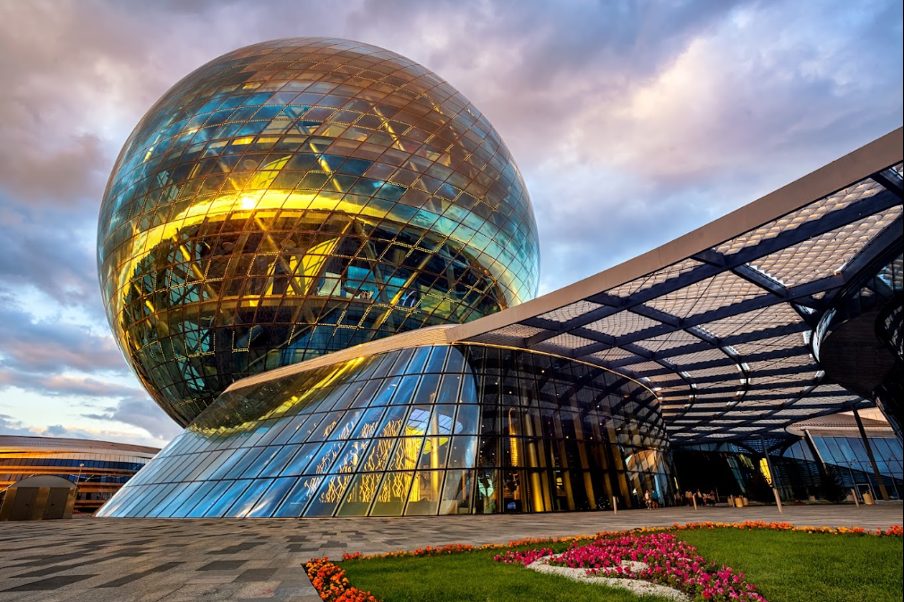
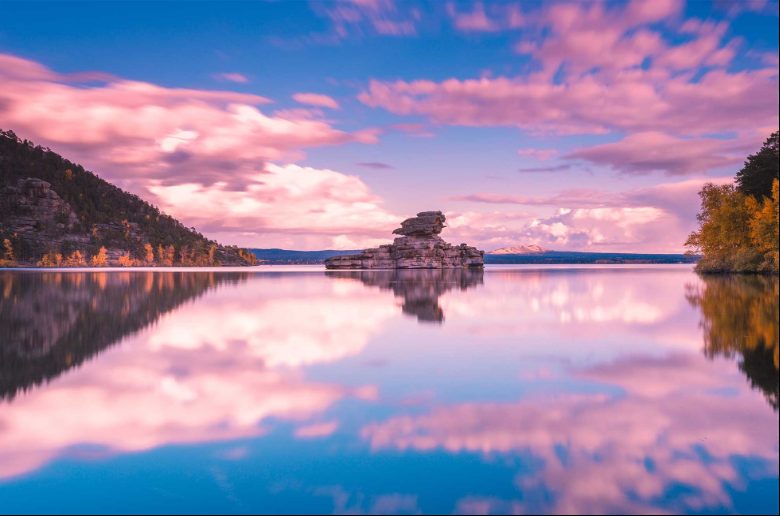
Kazakhstan's regions each have their own draw. Almaty pairs urban energy with mountain escapes, from the Ile-Alatau National Park to the otherworldly Charyn Canyon. Astana is the business hub, where conferences and events drive short stays. Burabay offers forest and lake scenery for wellness seekers. Mangystau, with its desert rock formations and sacred sites, just earned a UNESCO World Heritage listing for its rock mosques and associated sacred complexes. That's a serious boost for a region already known for jeep tours and trekking.
Infrastructure That Actually Matters
Getting to these places used to be a test of patience. The high-altitude stretch of the R-147 highway in East Kazakhstan was a notorious dirt track, sometimes taking two hours to cover just 13 kilometers. Now it's a paved two-lane road, and the drive takes 20 minutes. That's a game changer for reaching Katon-Karagay National Park and the Altai mountains.
Three new airports are in the works, in Katon-Karagay, Zaysan, and Kenderly. They're designed to open up regions that have long been hard to reach. These airports are expected to transform access to the Altai and Caspian coasts, making multi-day itineraries far more practical.
What This Means for Travelers
For the curious traveler, Kazakhstan is becoming easier to explore without a guide and a prayer. The improvements in tourist services and infrastructure mean better signage, more accommodation options, and smoother border crossings. The country already ranks second globally for price competitiveness, so your money goes further here than almost anywhere else.
Health and hygiene scores are strong, and natural resources rank 31st. The challenges remain in transport beyond aviation and in environmental sustainability. But the direction is clear. Kazakhstan is serious about tourism, and the pieces are falling into place.
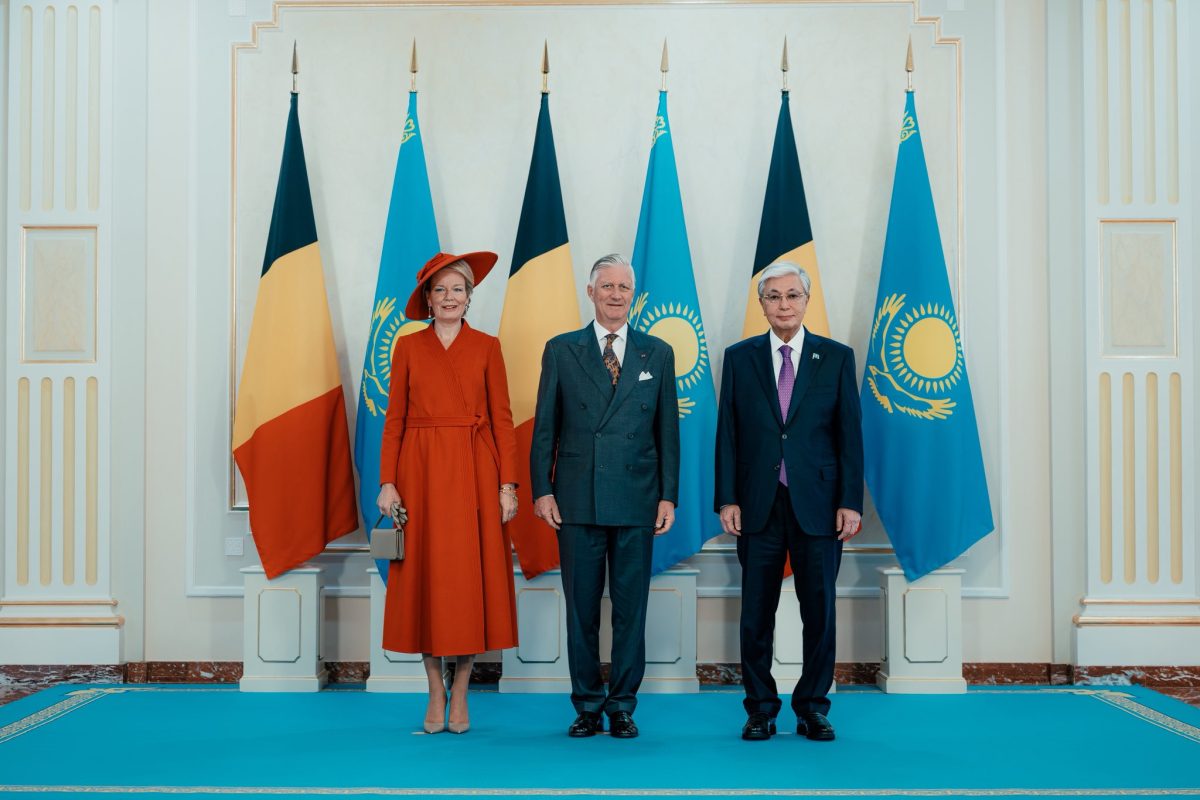
If you're planning a trip, consider combining the modern energy of Astana with the wild landscapes of the Altai. Or head to Mangystau to see the newly recognized UNESCO sites before the crowds arrive. The infrastructure is catching up, and the window of uncrowded discovery is still open. For more on how Kazakhstan is positioning itself, check out this royal seal of approval. And if you're weighing other emerging destinations, see how Georgia's tourism bet is playing out.