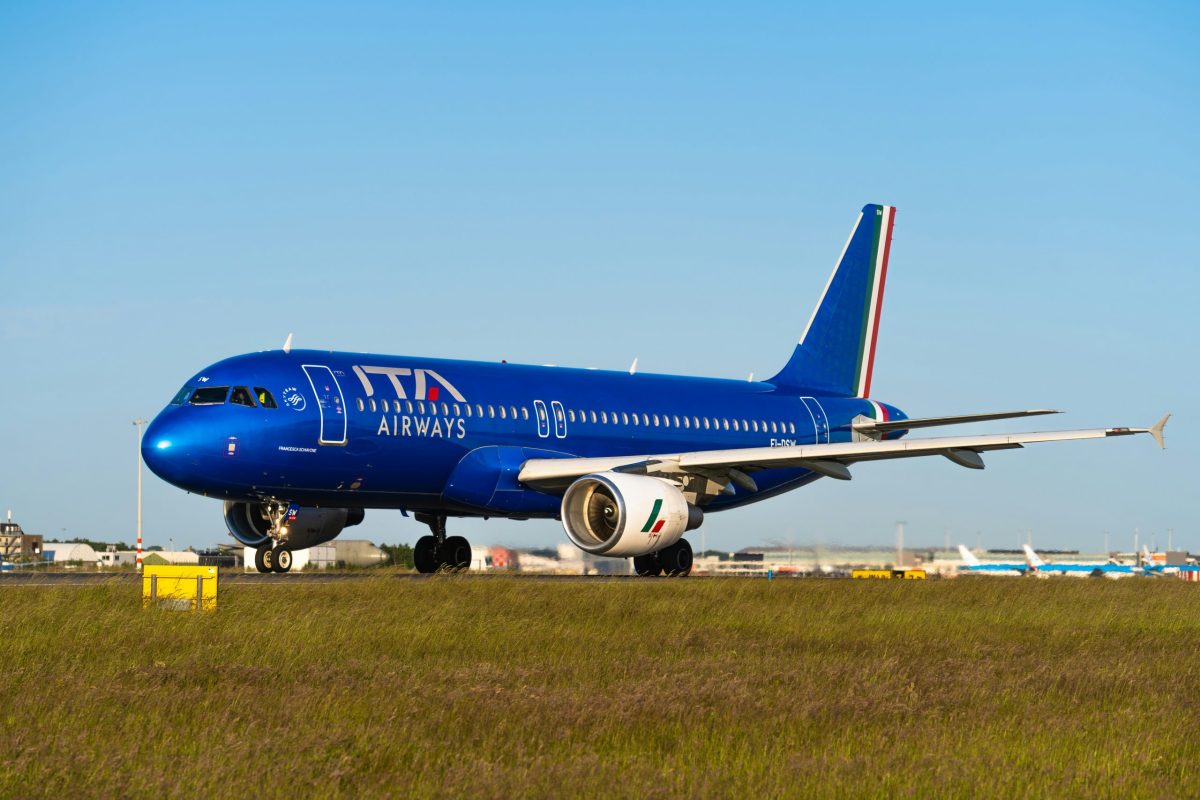
Come March 30, 2027, you could board a plane in Rome and step out into the humid, chaotic energy of Caracas without a single stopover. ITA Airways has just announced a new direct route between Rome Fiumicino and Venezuela's capital, and for the thousands of Italians with roots in the country, this is a big deal. The airline will fly the route three times a week, on Tuesdays, Thursdays, and Sundays, using an Airbus A330-900. That's a serious aircraft for a route that hasn't seen direct service in years.
The announcement came with all the usual fanfare. ITA's CEO Joerg Eberhart called it a service that goes beyond commerce, bringing families and businesses closer. Venezuela's ambassador to Italy, María Elena Uzzo Giannattasio, called it a bridge for tourism and culture. And on social media, Venezuela's vice president Delcy Rodríguez celebrated the news with a tweet that practically glowed. The agreement was sealed with a memorandum of understanding, and the first flight is scheduled for the end of March 2027. The route will operate three times a week, which is a solid start for a connection that many thought might never return.
But here's the thing. This flight is launching into a country that the UK and US governments still tell their citizens to avoid. The UK's Foreign, Commonwealth and Development Office advises against all travel to parts of Venezuela, including Amazonas state and areas within 40 kilometers of the Colombian border. For the rest of the country, it says only essential travel. The US State Department has Venezuela at a Level 3 advisory, which means reconsider travel, and some regions are at Level 4, meaning do not travel at all. The reasons are the usual suspects: crime, kidnapping, terrorism, and healthcare that can't handle emergencies. Travel warnings remain in place, and they're not just bureaucratic boilerplate.
So what does this mean for the traveler who's actually thinking about booking that flight? First, you need to be realistic. The Italian government and ITA Airways are clearly betting that the demand is there, especially from the Italian-Venezuelan community. But the security situation hasn't magically resolved itself. The UK government notes that conditions have improved in recent years, but it also warns that things can change rapidly. Political and economic instability is still a fact of life, and violent crime is a real concern. If you do fly, you'll land at Maiquetía International Airport, and the advice is to be extra careful there. Crime around the airport and on the roads into the city is a known issue, so arrange your transfer in advance and don't linger.
For those who are willing to take the risk, the route opens up a lot of possibilities. Rome Fiumicino is a major hub, so you can connect from cities across Europe and beyond. ITA's network means you could fly from New York or London, hop over to Rome, and then continue to Caracas. That's a long journey, but it's a direct connection that hasn't existed for years. And for the Italian companies that still operate in Venezuela, this is a lifeline. It's also a boost for tourism, both ways. Venezuelans can now fly to Italy more easily, and Italians curious about the country's dramatic landscapes and rich culture have a new option.
The contrast is hard to ignore. On one hand, you have an airline celebrating a new route, a diplomatic ceremony, and a promise of closer ties. On the other, you have government advisories that tell you to think twice. It's a reminder that the world is not a simple place. The US Embassy in Caracas reopened in March 2026, but its consular services are still limited. That tells you something about the environment.
If you're thinking about booking, here's my advice. Do your homework. Read the UK government's travel advice and the US State Department's advisory before you even look at flight prices. Check the latest news, talk to people who've been recently, and make your own call. The flight is real, the date is set, and the tickets will go on sale. But whether it's a good idea for you depends on your tolerance for risk and your reasons for going.
This route is a symbol of something, a desire to reconnect, to rebuild ties that were frayed by years of crisis. It's also a business decision, and airlines don't fly empty planes. ITA is betting that enough people will want to make this trip, warnings or not. And they might be right. The Italian community in Venezuela is large, and many have family they haven't seen in years. For them, this flight is more than a convenience. It's a lifeline.
So mark your calendar for March 30, 2027. If you're planning to fly, book early and be prepared. And if you're just watching from afar, it's a story worth following. The skies between Rome and Caracas are about to get busy again, and that's a headline in itself.