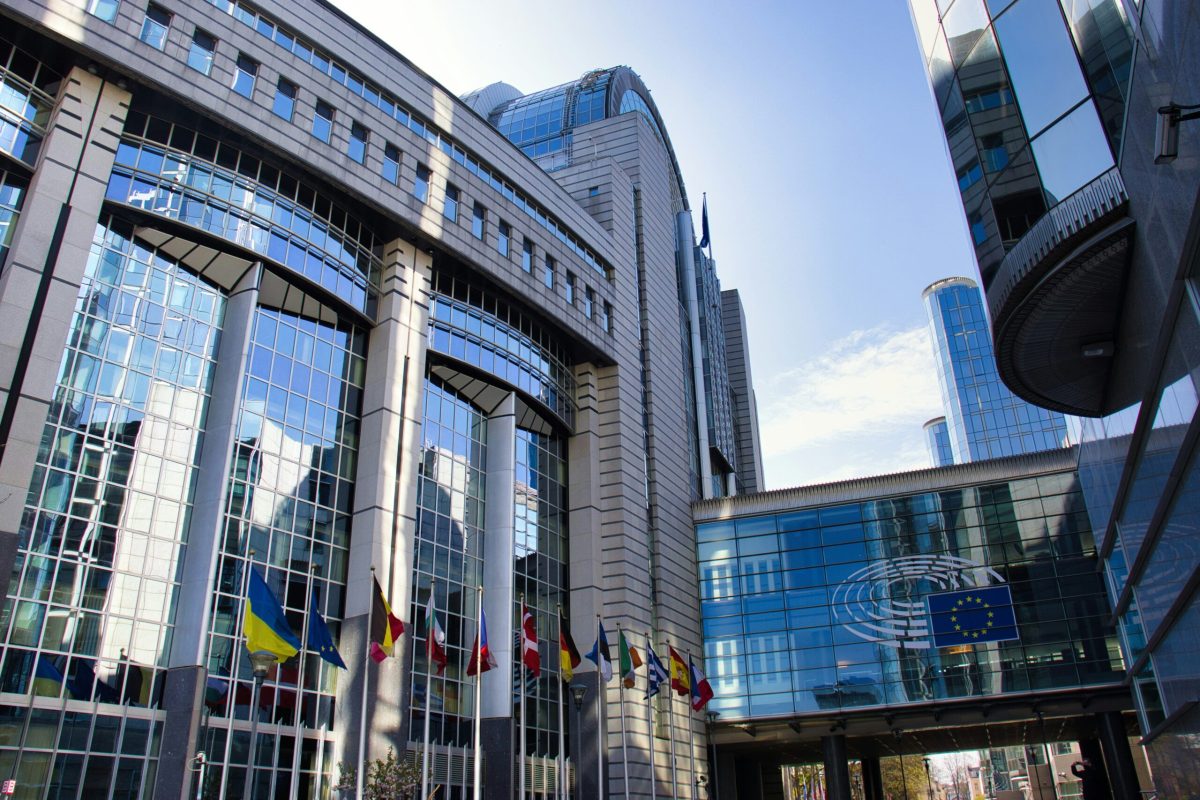
Europe's high-speed rail network is about to get a serious upgrade, if a new push from the European Parliament goes through. On October 5, the Transport and Tourism Committee voted overwhelmingly in favor of a plan to speed up rail expansion, make tickets more affordable, and connect regions that have been left off the fast-track map. The vote was 34 in favor, none against, with seven abstentions. It's a clear signal that lawmakers see rail as the backbone of Europe's travel future.
The recommendations build on the European Commission's High-Speed Rail Action Plan, unveiled in November 2025, which aims to have a faster, better-connected network by 2040. But the committee wants more than just shiny new tracks. They're pushing for a network-first approach that links high-speed lines with regional trains, urban transit, and even cycling routes. The goal is to make rail work for everyone, not just those hopping between capitals.
Beyond the Big Cities
Instead of focusing only on Paris, Berlin, and Madrid, the committee wants high-speed rail to serve major cities across Europe's regions and neighboring countries. That means better access for peripheral and less-developed areas, which could help close the gap between booming hubs and quieter corners of the continent. The plan also calls for completing the trans-European transport network (TEN-T) and identifying missing links, abandoned lines, and valuable cross-border connections that could transform travel.
Some routes are already in the spotlight. The Commission's plan could reshape five major corridors, including Berlin to Copenhagen and Lisbon to Madrid. Imagine hopping on a train in the Portuguese capital and rolling into Spain's heartland without a plane. That's the kind of future these lawmakers are chasing.
Money Talks
None of this comes cheap. The committee is calling for dedicated EU funding in the next long-term budget, covering 2028 to 2034. They want to preserve and strengthen the Connecting Europe Facility, which has already funneled more than €100 billion into rail infrastructure since 2014. But as Italy's new cross-border rail links show, the payoff can be huge when the investment lands.
Still, the scale of the challenge is massive. Europe is building railway mega tunnels beneath seas and mountains, and those projects take years, sometimes decades, to finish. The committee acknowledges the delivery hurdles but insists the long-term benefits are worth it.
Cheaper Tickets and Simpler Booking
For travelers, the most exciting part might be the push for more affordable fares. The committee wants governments and operators to introduce accessible pricing, reduced-fare schemes, and subscriptions that make high-speed rail a realistic option for more people. Lower, more predictable prices could lure passengers away from planes and cars, which is exactly what the climate goals demand.
There's also a call for greater transparency in ticket pricing and support for the Commission's Passenger Package, which aims to make European ticketing systems more compatible. A unified booking system could be on the horizon, something that would make planning a multi-country rail trip feel less like a puzzle. The idea of a single platform for all European trains has been floating around for a while, and this vote adds momentum.
Of course, this is just a committee vote. The non-binding resolution now heads to the full European Parliament for a vote during the second plenary session in October. If it passes, it will put pressure on the Commission and member states to act. But as recent disruptions to Dutch trains remind us, even the best-laid rail plans can hit unexpected snags.
For now, the message from Brussels is clear: high-speed rail is a strategic asset for Europe's competitiveness, cohesion, and climate future. And for travelers, that could mean faster, cheaper, and more connected journeys across the continent. Whether you're dreaming of a weekend in Copenhagen or a business trip to Lisbon, the tracks are being laid for a smoother ride.