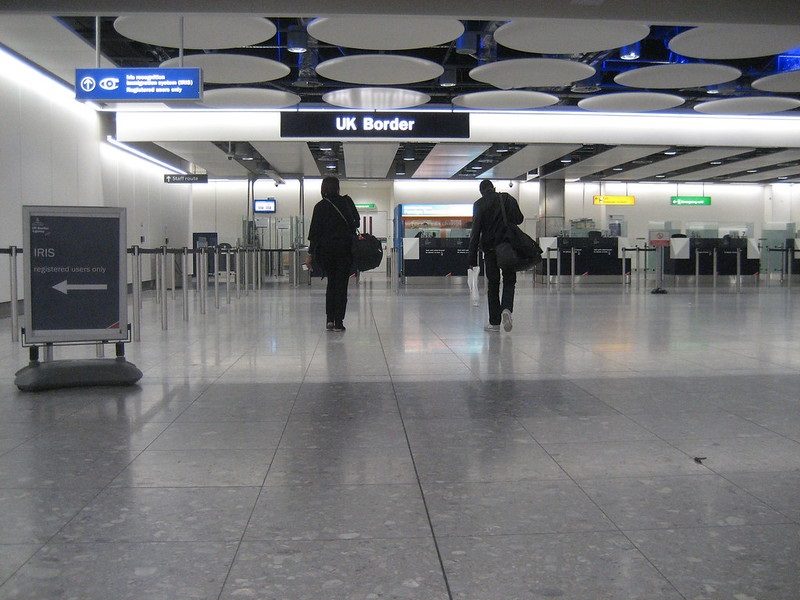
Imagine stepping off a long-haul flight, walking straight to the e-gate, and passing through without ever pulling your passport from your bag. That's the future the UK Border Force is building. By autumn 2026, British passport holders arriving at Birmingham and East Midlands airports will be able to use new contactless e-gates that rely on facial recognition instead of the traditional document check.
The system, which officials call "contactless borders," is expected to expand to a dozen other airports, including Heathrow, Gatwick, Manchester, and Edinburgh, as early as 2027. The goal is to make border control faster and smoother for returning travelers. Phil Douglas, the UK's Border Force director, told The Times that the technology could cut processing times by up to 25%. "It's quicker, it's more modern, it's more secure," he said.
But here's the catch: you'll still need to carry your passport when you travel. The contactless e-gates will use the biometric chip in your passport and a live photo taken at the gate to verify your identity. If the system doesn't recognize you, you'll be directed to a human border officer for a manual check. So don't leave your passport at home just yet.
The move is part of a broader trend toward biometric travel. Airports in Abu Dhabi, Dubai, and Singapore already use similar systems. For frequent flyers, this could mean less time queuing and more time grabbing a coffee before your next connection. But the rollout has sparked concerns about privacy and accuracy.
Privacy and Accuracy Concerns
Critics point to the UK's already heavy use of surveillance technology. The country consistently ranks among the top ten most surveilled populations in the world. Big Brother Watch, a privacy advocacy group, has warned that facial recognition systems disproportionately misidentify Black people, who make up 80% of those affected by errors. The UK's biometrics and surveillance camera commissioner has also cautioned that the technology could lead to breaches of rights and legal challenges for police.
There are also practical risks. The system depends on passport chips functioning correctly and on airlines transmitting passenger photo data to border control before the flight lands. Any glitch could cause delays, not to mention the potential for machine errors. Douglas, however, defends the proposal, arguing that freeing border officers from stationary checkpoints allows them to be more mobile and focus on crime prevention and safeguarding.
What Travelers Should Know
If you're a British passport holder, here's what to expect. The contactless e-gates will be optional at first, so you can still choose to use the traditional passport-check lane if you prefer. The system will only be available to passengers whose biometric data is already on file, which includes most UK passport holders. Other nationalities may be added later, but no timeline has been announced.
For now, the advice is simple: keep your passport handy, even if you plan to use the contactless gates. And if you're worried about privacy, you can always opt for the manual lane. The UK is not the only place where passports are changing. Argentina's new golden passport comes with a hefty price tag, while passports return to Irish Sea ferries after a century without them. Even your next passport could be a digital dream and a golden eagle.
The contactless border system is a significant shift in how we travel, but it's not without its trade-offs. The rollout begins in autumn 2026 at two airports, with a wider expansion expected by 2027. For now, British passport holders still need to carry their passports when flying. Whether this new technology will make border control truly seamless or just add another layer of surveillance remains to be seen. But one thing is certain: the days of fumbling for your passport at the e-gate may soon be over.