If you passed through Philadelphia International Airport late on Sunday, 13 September, or in the early hours of Monday, 14 September, you might want to check your vaccination records. Health officials confirmed that a traveler with measles moved through Terminals B and F, plus the connector areas for Terminals C, D and E, between 7:25 pm and 12:05 am. The person never left the airport. That was enough.
Measles was supposed to be a chapter we had closed. Global vaccination campaigns pushed it off most travelers' radar decades ago. But the virus has been staging a comeback in several countries, and the United States is right in the middle of it. Philadelphia recorded two separate possible exposure events within days of each other. The airport case came on the heels of a potential exposure at the Children's Hospital of Philadelphia on 11 September, which was announced six days later. CHOP and state health departments said they were working together to give exposed infants a preventative antibody treatment and to contain any further spread.
Why This Virus Does Not Mess Around
Measles is one of the most contagious diseases known to medicine. It travels through the air when an infected person coughs, sneezes, or simply exhales. The virus can linger in a room for up to two hours after that person has walked away. If you are unvaccinated and you breathe that air, your odds of getting sick are brutal. Public health officials estimate that up to 9 out of 10 unprotected people near an infected person will catch it.
Early symptoms look like a bad cold at first. Fever, cough, runny nose, red and watery eyes. A few days later, a rash appears, usually starting on the head and working its way down. Symptoms can show up as long as 21 days after exposure, which means you could feel fine for three weeks and then get hit.
Most people recover. But measles is not a harmless childhood rite of passage. It can cause pneumonia, brain inflammation, and in some cases it kills. The Children's Hospital of Philadelphia has a detailed breakdown of how the virus spreads and what to watch for if you think you have been exposed.
What the Numbers Say About 2026
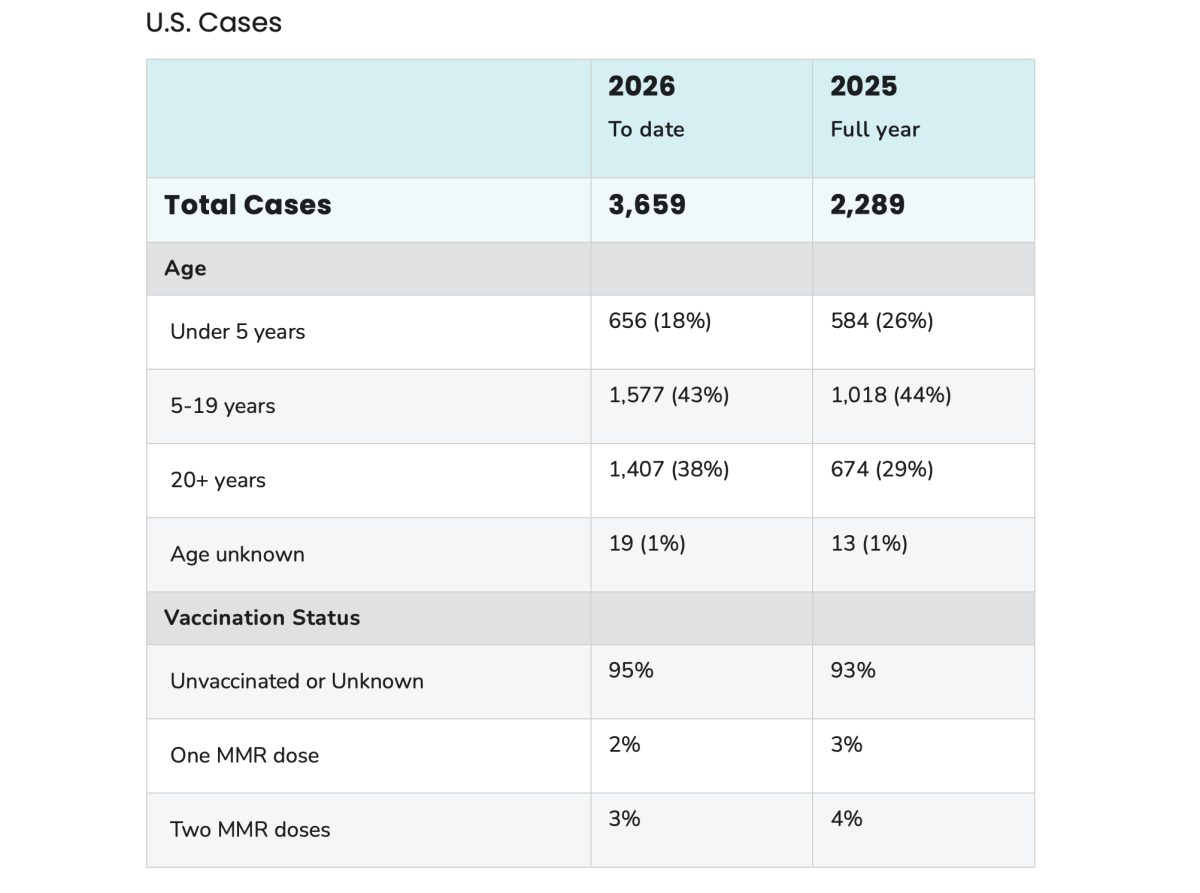
The Philadelphia incidents are not isolated. As of 24 September, the CDC had recorded 3,659 confirmed measles cases in the US for 2026. That is already well past the 2,289 cases reported for all of 2025. Forty new outbreaks have been logged this year, and 95 percent of confirmed cases are tied to those outbreaks.
Pennsylvania is the hardest-hit state with 903 cases, a staggering jump from just 48 the year before. Four people have died. South Carolina follows with 670 cases, up from 333. Utah has recorded hundreds. Texas, Virginia, Wisconsin, Florida, Ohio and Arizona have each topped 100 cases. The CDC reports cases in 47 jurisdictions, which means only a handful of states have escaped the resurgence entirely.
What This Means If You Are Traveling
Airports are mixing bowls. People from everywhere, breathing the same recirculated air, touching the same handrails. If you are fully vaccinated, you have very little to worry about. Two doses of the MMR vaccine provide about 97 percent lifetime protection. That is as close to bulletproof as vaccines get.
If you are unvaccinated, unsure of your status, pregnant, or immunocompromised, the advice is straightforward. Contact your doctor. Some people may still be eligible for treatment after exposure that can prevent measles or reduce how severe it gets. And if you develop symptoms, call ahead before you walk into a clinic or emergency room. Tell them you may have been exposed. Do not sit in a waiting room and share the air.
Philadelphia Health Commissioner Dr Palak Raval-Nelson called the two incidents a reminder of how important it is to stay current on vaccinations. That advice applies well beyond one city. Whether you are catching a flight through a major hub or heading somewhere new, your vaccination status is part of your travel prep now. The gaps in US airport safety are not just about runways and security lines. They are about the invisible things moving through the air too.
Before your next trip, take five minutes to confirm your MMR status. It is a small step that keeps you, and everyone around you, out of the outbreak statistics.