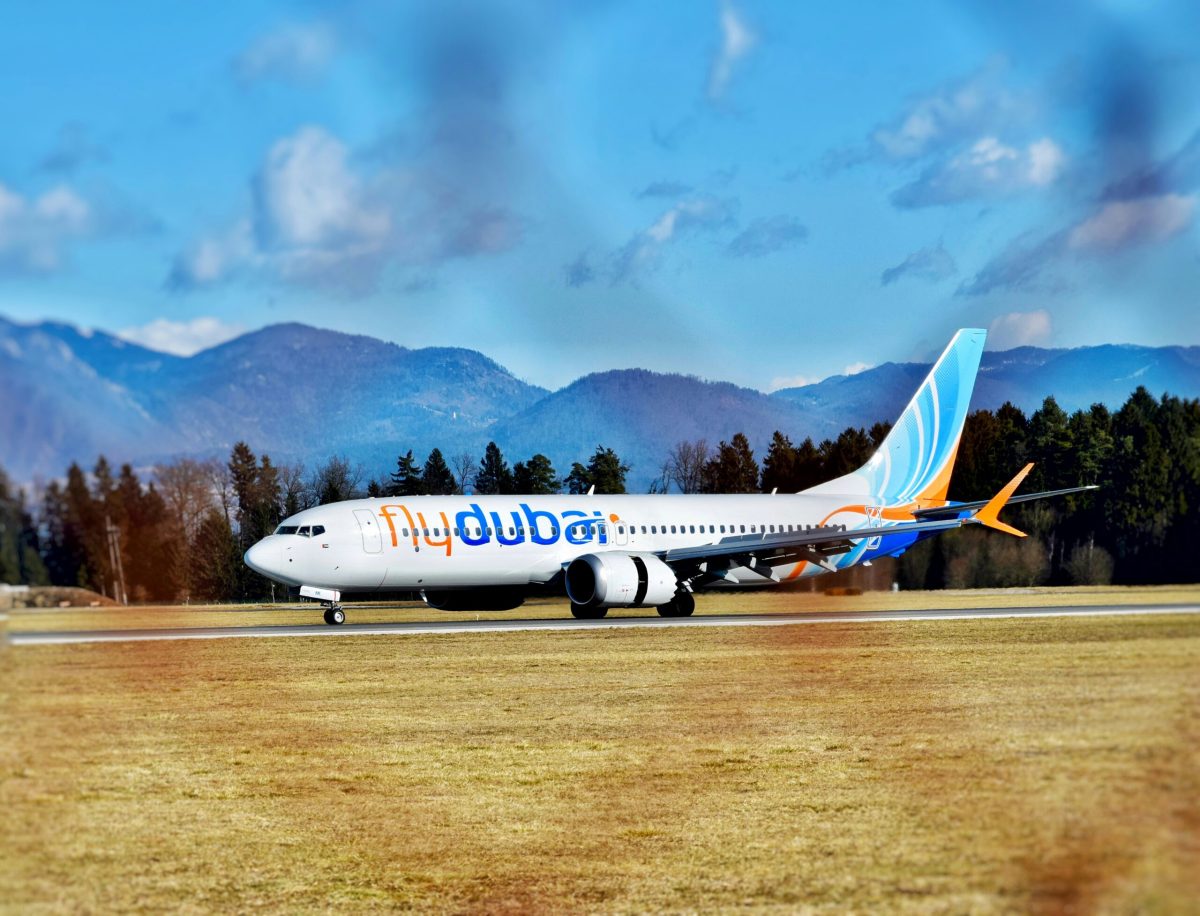
Last week, a flydubai flight from Dubai to Tel Aviv came within seconds of disaster. The co-pilot, Hamam al-Hammami, allegedly grabbed the cockpit crash axe and attacked the captain, intending to crash the plane into Ben Gurion Airport or a Tel Aviv skyscraper. The captain survived, opened the cockpit door, and passengers plus off-duty pilots subdued the attacker. The plane landed safely in Tabuk, Saudi Arabia. But the incident has exposed a disturbing reality: the threat came from inside the cockpit, and multiple systems failed to stop it.
Four Gaps in the Safety Net
Investigators have identified four distinct failures that allowed al-Hammami to reach the controls of a commercial airliner. Each one is a missed opportunity to stop a man who, according to interrogation reports, had been planning this for months.
The First Warning in Oman
Al-Hammami joined Oman Air in 2018. By 2024, authorities discovered his interest in extremist websites and blogs. The airline banned him from flying, put him through a deradicalisation programme, and reassigned him to a desk job. Yet Oman did not revoke his pilot's licence or flag him in international security databases. He was free to seek work elsewhere.
The Second Warning in Morocco
In 2025, al-Hammami trained with Royal Air Maroc for about three months. The airline did not hire him, but the reasons remain undisclosed. Another red flag that went nowhere.
The Hiring Failure in Dubai
When flydubai hired him in 2026, they ran a routine criminal background check. They did not contact Oman Air or verify his employment history. Emirati authorities are now investigating the recruitment process. This is a textbook case of vetting that was too shallow to catch a known risk.
The Oversight in Israel
Under Israeli regulations, foreign airlines should not deploy pilots from countries without diplomatic relations with Israel. Oman is one such country. Yet al-Hammami had flown into Ben Gurion Airport several times before the attack. Israel's Ministry of Transportation relied entirely on self-certified crew declarations from foreign airlines. Israeli media report that dozens of Omani pilots have flown into Israel in recent years, despite the restriction.
Who Is Responsible?
Post-9/11 security focused on keeping bad people out of the cockpit. It was not designed for the possibility that the bad person was already sitting in the co-pilot's seat. Security experts say the fix lies in better vetting and information sharing. Pilot licences prove technical skill, not trustworthiness. Background checks vary wildly between countries, and airlines often skip the extra steps.
What could change? Mandatory checks with previous employers, international databases for security concerns, continuous vetting rather than a one-time check, and clearer responsibility for screening foreign flight crews. Some of these ideas are already being discussed. The UK's aviation network buckling under system failures shows how fragile the whole system can be. And as airport security goes private, the pressure to cut corners only grows.
For travelers, the takeaway is sobering. The system that protects you depends on a patchwork of national rules and airline diligence. No single authority is watching the whole picture. The flydubai attack was stopped by the bravery of the captain and passengers, not by the security apparatus. That is a lucky outcome, not a reliable one.
Investigators in Australia, the UAE, and Israel are still digging into al-Hammami's background, including his studies in Australia and reported travel to Syria. No terrorist group has claimed him. But the questions raised by this incident will not disappear. As America's airports outsource security, the same issues of accountability and oversight are playing out worldwide. The next near miss might not end so well.