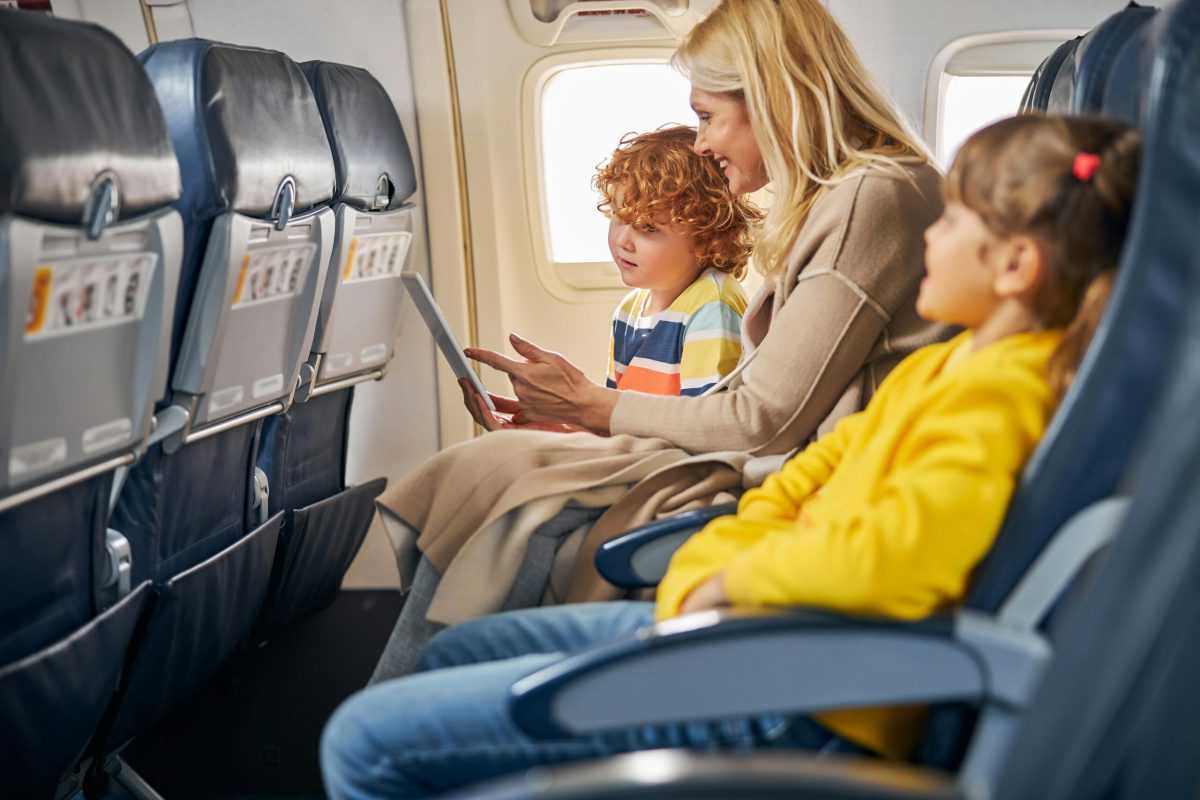
Flying with kids in the UK is about to get a whole lot less stressful. The government has announced plans to ban airlines from charging families extra to sit together, a move that could save parents up to £104 (around €123) on a return trip. The new rules, unveiled on 1 October, mean children under 14 will be seated next to a parent or accompanying adult at no extra cost. Simple name errors in bookings will also be corrected for free, removing another costly headache for travelers.
This is a big deal for anyone who has ever played the seat-assignment lottery. A 2025 survey found that 61.3% of British passengers had paid extra to sit next to someone they were traveling with, and families with young children were spending more than £22.5 million a year on seat reservations in the UK alone. Transport Secretary Heidi Alexander called the measures part of the government's "everyday fixes" to put money back in people's pockets. The change follows a similar rule in the European Union, approved in July, which also guarantees free adjacent seating for kids under 14 and free name corrections.
Rory Boland, editor of Which? Travel, didn't mince words, calling it "clearly unfair" to make parents pay to sit with children as young as three. He accused airlines of putting "profit ahead of passenger peace of mind." Andy Burnham, the Mayor of Greater Manchester, went further, calling the charges a "rip-off, plain and simple." The frustration is real, and it's not just about the money. It's the anxiety of wondering if your five-year-old will be stuck next to a stranger while you're three rows back.
The name-change measure is another win for travelers. Currently, a minor typo in your booking can cost up to £40 (around €47) to fix. Under the new plan, simple mistakes will be amended free of charge. That's a relief for anyone who's ever typed their name in a hurry and then paid the price. The government says these changes will bring UK rules more in line with the EU, which is good news for families flying across the continent.
But the reforms don't stop there. The government is also targeting disruptive passengers, who have become a major source of stress for airlines and travelers alike. In 2025, airlines recorded more than 1,000 serious incidents involving disruptive passengers, including a mid-air brawl that forced a flight to divert. The proposed information-sharing system would make repeat offenders easier to identify and could help airlines decide whether to extend existing bans. "Everyone deserves to travel knowing their flight isn't going to be disrupted by bad behavior from a small minority," Alexander said.
Ryanair, which recently changed its family seating policy under pressure from consumer rights authorities, has warned that under the new system families may only receive their seat allocation after check-in and are more likely to be seated towards the back of the aircraft. Ryanair's previous mandatory family-seat fee was typically about £8 (€9.5) each way. So while the change is welcome, it's worth keeping an eye on how airlines implement it. Will they find new ways to charge for preferred seats, or will they genuinely make it easier for families to sit together?
The measures are expected to become law following Royal Assent of the Civil Aviation Bill, which is currently progressing through Parliament. The legislation will give ministers greater powers to establish passenger rights and the obligations of airlines and airports. For now, families can look forward to a future where sitting together on a flight doesn't require a second mortgage. And if you're planning a trip, it's worth checking the latest government announcement for updates on when the rules take effect.
This is a win for common sense, but it's also a reminder that airlines are always looking for new ways to charge for basics. If you're tired of paying for seat selection, you might want to check out how American Airlines is fixing bad seats while you sleep. And if you're wondering about other airline fees, a new US rule lets airlines skip compensation for certain disruptions, which is worth knowing before you book. For now, UK families can breathe a little easier knowing that the days of paying to sit with your own children are numbered.