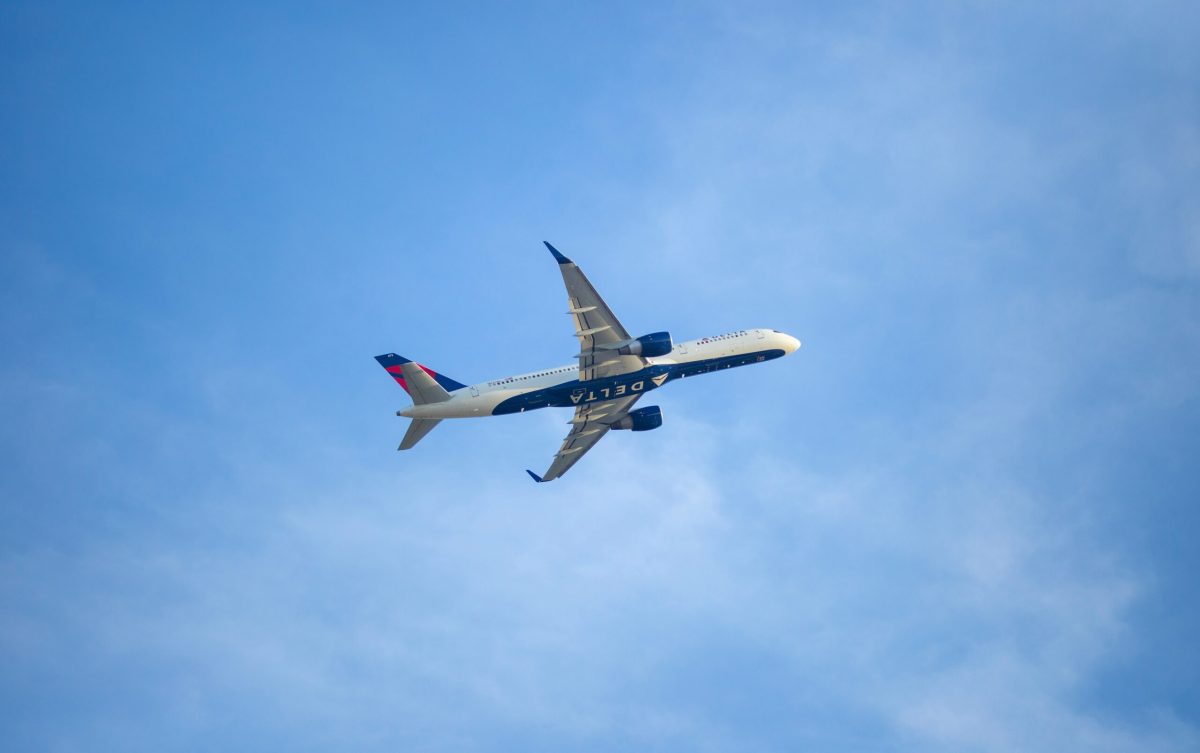
It was supposed to be a routine hop from Los Angeles to Salt Lake City. But for the 174 passengers and six crew members aboard Delta Flight 2311, the journey turned into a white-knuckle ordeal that none of them will forget.
About halfway through the flight, while cruising at 35,000 feet over the Mojave Desert, the cabin suddenly lost pressurization. Oxygen masks tumbled from the overhead panels, and the pilots immediately initiated an emergency descent, dropping a staggering 27,000 feet in just ten minutes to reach breathable air.
The Boeing 737-900 ER had taken off without a hitch from LAX. But as the aircraft hurtled toward safety, the cabin filled with confusion and fear. Passengers described scenes of panic, with many unsure what was happening. One traveler, posting on Reddit, called the experience "pretty traumatic," adding that the scariest part "wasn't even the descent, it was not knowing what was going on."
A Pilot's Calm in the Chaos
Inside the cockpit, both pilots donned their airtight oxygen masks, complete with built-in microphones, and declared an emergency with Las Vegas air traffic control. In audio recordings, a pilot can be heard saying, "Delta 2311, currently in rapid descent, we'd like to descend to 9,000 feet. And we're direct Las Vegas." The controller asked if the masks had dropped. The pilot's response was a simple, "Affirmative."
The crew's professionalism was later praised by Delta, which stated that "the flight crew of Delta flight 2311 LAX-SLC followed their training and procedures to safely bring the aircraft to optimal altitude when an unexpected pressurisation issue occurred." The plane landed safely at Harry Reid International Airport, and passengers were offered alternative travel arrangements to reach their destination.
Why Rapid Descents Are the Only Option
Pressurization failures are extremely rare, but when they happen, a rapid descent is the standard, life-saving protocol. At 35,000 feet, passengers and crew have only an estimated 30 to 60 seconds of "useful consciousness" once the masks drop, according to the FAA. Without that quick drop to lower altitude, hypoxia, or lack of oxygen to the body, can impair judgment and lead to incapacitation.
Matthew "Whiz" Buckley, a retired US Navy F/A-18 fighter pilot, told Fox News that such incidents are "an extremely rare issue" in the United States. The exact cause of this particular failure, whether a malfunction in the pressurization system, a leak, or a structural problem, has yet to be determined.
For travelers, this incident is a stark reminder of the importance of paying attention to the safety briefing. Knowing how to properly secure your own oxygen mask before helping others can make all the difference in an emergency. And while the thought of a rapid descent is unsettling, it's also a testament to the rigorous training that pilots undergo to handle these rare events.
This wasn't the only recent aviation drama. A Qantas flight made an emergency diversion after an engine fire over New Zealand, and flight attendants have been pushing back against ICE deportation requests. But for the passengers on Delta 2311, the safe landing in Las Vegas was all that mattered.
Delta apologized to the passengers and thanked its "flight crews and other support teams on the ground for their professionalism." The airline also arranged for alternative travel to Salt Lake City, though it's safe to say many of those passengers may have opted for a train or a long drive instead.