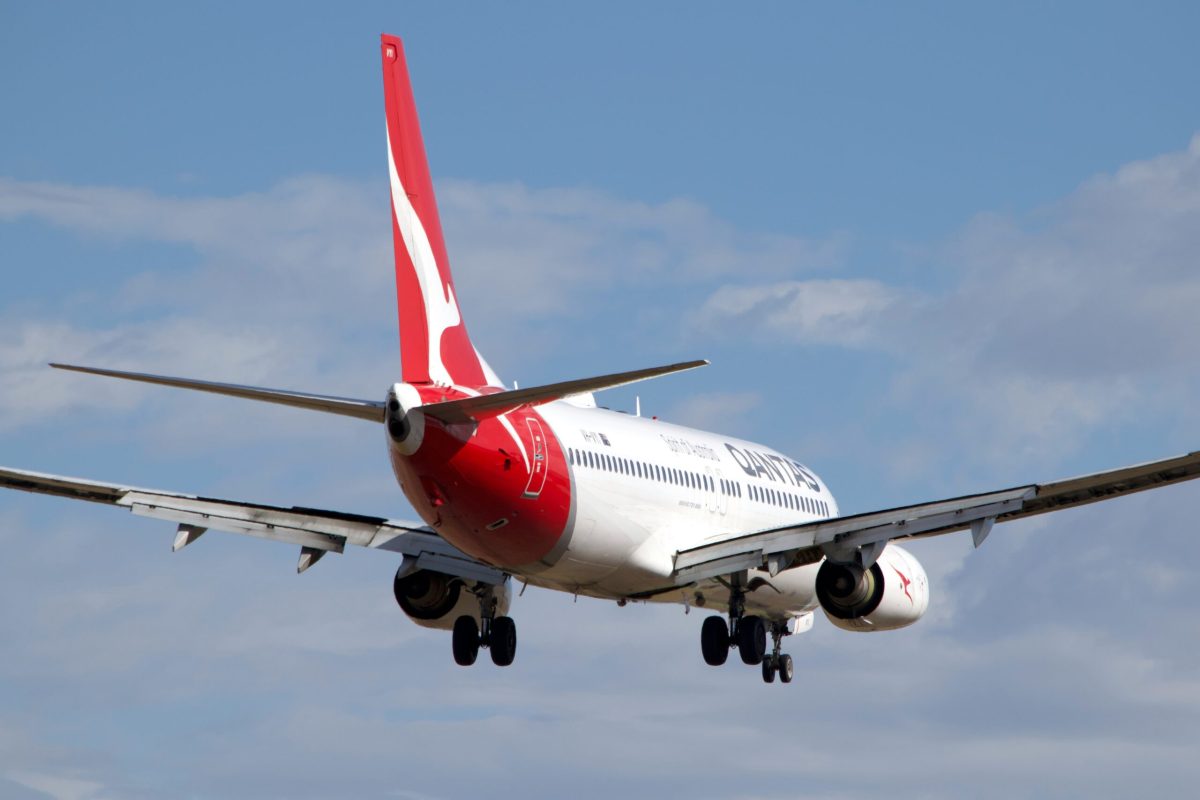
Saturday, September 5, 2026, began like any other spring day in New Zealand for the 200-plus passengers boarding Qantas Flight QF122 in Queenstown. The short hop down to Sydney promised three hours of smooth flying. Within minutes of takeoff at 4:05 pm, that plan fell apart.
Just after leaving the runway, a mechanical problem struck one of the Boeing 737-800's engines. Passengers seated near the windows could see what no traveler ever wants to see: flames shooting from the wing. The cabin filled with screams. People heard sharp bangs that sounded like gunshots from the ground. The aircraft shook as it climbed into the sky.
When Panic Takes Hold at 30,000 Feet
Passenger Kriti Sethi later described the scene to Australian broadcaster ABC. "It was quite scary," she recalled. The noise was relentless. The turbulence made the situation feel even more unstable. Travelers gripped armrests and called out for the crew to bring the plane down immediately. The fear in the cabin was palpable. Yet in those moments of highest tension, something remarkable happened.
Qantas flight attendants moved calmly through the cabin. They spoke with passengers, answered questions, and offered reassurance. Sethi praised their composure, calling them "amazing." The captain's steady voice came over the intercom with information: there had been a chemical failure in one of the engines. A precautionary landing in Christchurch, New Zealand, was underway. The aircraft was not in emergency status. Both engines remained functional for flight. Help was coming.
The distinction mattered. No emergency declaration meant less panic, more order. The pilots had done this type of diversion countless times in training. Now they executed it under real pressure, with real people nervous in every seat.
Safe Wheels Down in Christchurch
The flight crew managed the aircraft flawlessly during the unscheduled diversion to Christchurch. The plane touched down without incident. Emergency services were waiting on the tarmac, but no injuries had occurred. Not a single passenger or crew member needed medical attention. The relief was immediate and overwhelming.
A Qantas spokesperson acknowledged the trauma the passengers had endured: "We know this would have been a distressing experience for passengers and will be contacting all customers to provide support." The airline arranged overnight accommodation in Christchurch and rebooked all travelers on a complimentary flight to Sydney the next day. The response showed a company taking responsibility seriously.
The reason this day didn't become a tragedy likely traces back to pilot training and aircraft design. Modern aviation has built redundancy and safety systems into every aspect of flight operations. A former Qantas pilot who commanded Flight QF32 during its catastrophic engine failure in Singapore back in 2010 speculated that the flames and popping sounds passengers heard were consistent with a "surge and stall" event. This occurs when disrupted airflow through the jet engine, often triggered by a bird strike or similar object, prevents smooth air passage across the turbine blades.
The Bigger Picture on Safety
New Zealand's Civil Aviation Authority confirmed its standard protocol following such incidents. "Aircraft undergo thorough inspections and any necessary maintenance before being returned to service," the authority said. A technical review has been launched to identify the exact cause of the engine issue and ensure it doesn't happen again.
Qantas holds a strong safety reputation. The airline ranks third globally for safety standards according to Airline Ratings and boasts a remarkable record: zero fatalities in the modern jet era. That statistic didn't come from luck. It came from relentless training, maintenance protocols, and a culture that treats safety as non-negotiable.
For travelers nervous about flying, the Qantas QF122 incident tells an important story. Systems worked. Crews stayed composed under pressure. Passengers got home safely. Every single day in 2026, hundreds of thousands of flights take off and land without incident. When something does go wrong, modern aviation's multiple layers of redundancy and training kick in. That Saturday in September felt terrifying to everyone on board. But it also showed why flying remains one of the safest ways to travel.