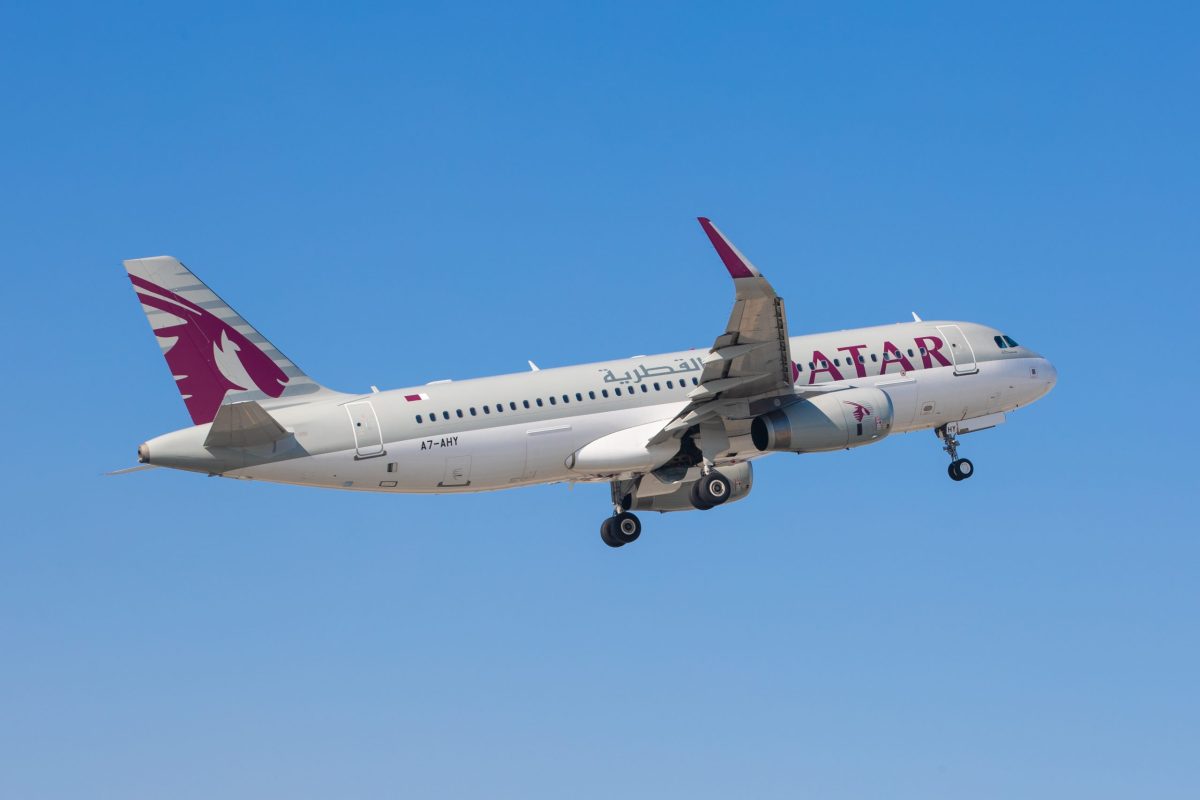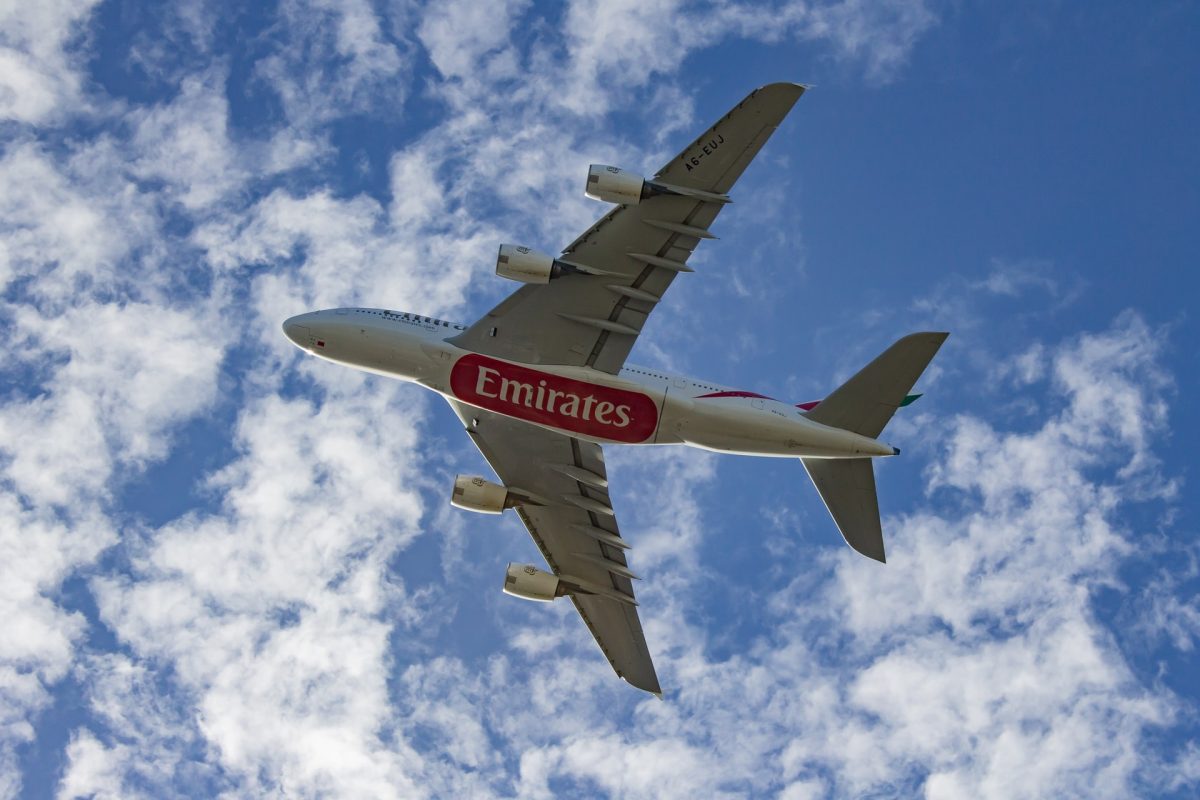
The Middle East's aviation heavyweights have staged a remarkable comeback. Emirates, Qatar Airways, and Etihad are all flying at or above 90% of their pre-conflict capacity, according to flight tracking data from Flightradar24. Smaller regional players like Gulf Air and Kuwait Airways have actually surpassed their pre-war flight volumes. To anyone watching the charts, the skies over the Gulf appear to be healing fast.
Just four months ago, the picture looked devastatingly different. Drone attacks and missile strikes had effectively shuttered the region's airspace, forcing the emergency evacuation of thousands of stranded travelers. Airports that typically rank among the world's busiest hubs sat eerily quiet. The ripple effects stretched across the globe as travel warnings kept nervous passengers grounded and airlines scrambled to find alternatives.
Now, with a ceasefire in place, momentum feels genuine on the ground. Emirates has publicly declared its return to full operations across six continents, while governments like Australia have lifted their travel alerts for multiple Middle Eastern nations. Turkish Airlines has methodically resumed routes to Amman, Beirut, Damascus, Doha, and Dubai throughout May and June. Air France plans to resume Beirut and Dubai flights on June 24.
Yet beneath these encouraging headlines sits a more complicated reality. While regional airlines race to restore capacity, many international carriers are keeping their distance. According to Mateusz Klimek, an airline network planning expert, once carriers moved aircraft to boost nonstop flights to Asian destinations during the crisis, they simply haven't wanted to shift those planes back. The disruption to passenger schedules and the financial costs make the switch painful.
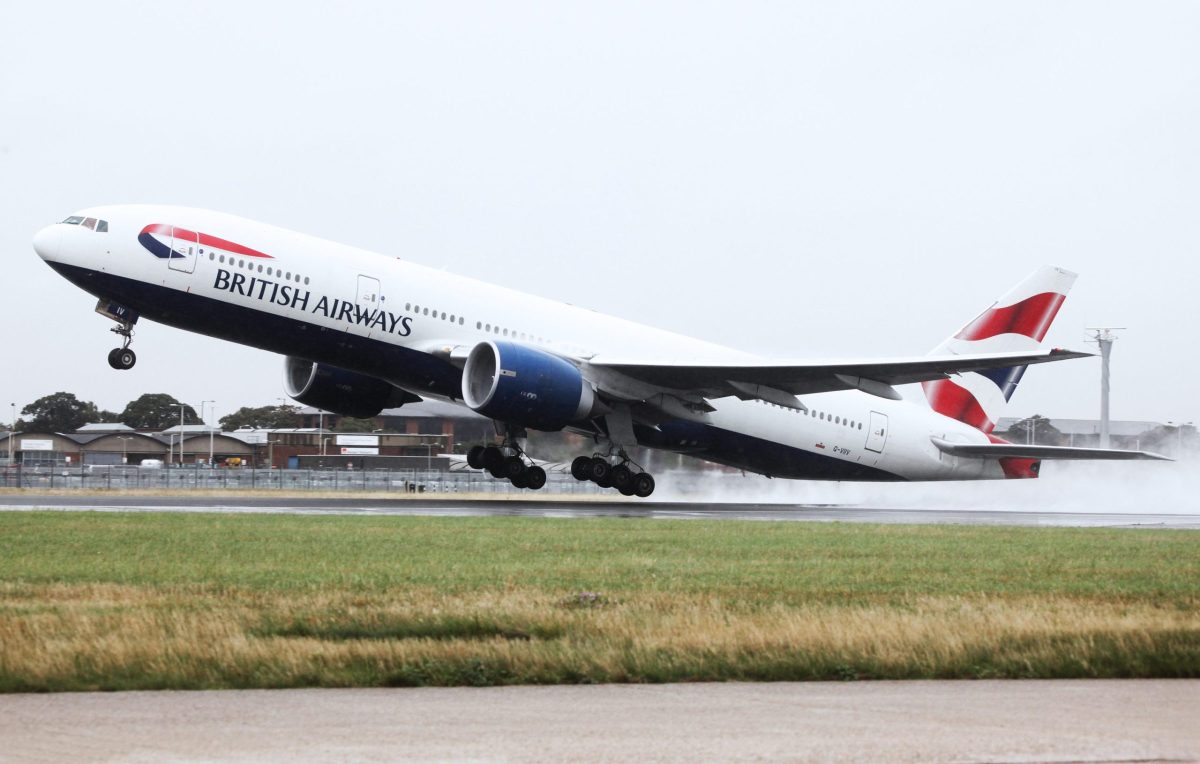
The numbers tell the story. British Airways won't return to Amman, Bahrain, Dubai, or Tel Aviv until late October and is skipping Jeddah entirely. Austrian Airlines, airBaltic, and Finnair have parked their Middle East routes until autumn. Norwegian has indefinitely suspended service to Beirut and Tel Aviv. KLM doesn't restart Dubai and Riyadh operations until August 10. These aren't quick, confidence-driven returns. These are cautious, staggered step-backs into a market many carriers clearly still view through a nervous lens.
The Incentive Wars Begin
To lure nervous travelers back, the regional carriers are pulling out promotional ammunition. Etihad is offering complimentary travel medical insurance to Abu Dhabi passengers through December. Emirates CEO Tim Clark has emphasized that promoting the region's safety record and reliability is essential to winning consumer confidence. These aren't flashy discounts but rather calculated moves to rebuild trust.
The stakes matter enormously for the Gulf's broader economy. The region has been deliberately pivoting away from fossil fuel dependency, betting heavily on tourism and aviation as pillars of future growth. A swift recovery would signal a successful navigation through crisis. A prolonged slump would expose just how fragile that transition remains.
Yet the International Air Transport Association threw cold water on optimistic outlooks last week, cutting its 2026 profit forecast for global aviation in half. The sector now expects net profits of just $23 billion for the year, down $22 billion from 2025 projections. The Gulf's operational recovery, for all its impressiveness, sits within a much larger industry that's still reeling financially.
For travelers considering a Gulf getaway, the practical reality is mixed. The region itself has bounced back with genuine speed. But getting there from Europe involves longer waits, fewer direct options, and carriers that are clearly hedging their bets. Those willing to be patient and flexible will find their routes opening up gradually through summer and into fall. Those hoping for immediate convenience should probably set their sights on less complicated destinations for now.