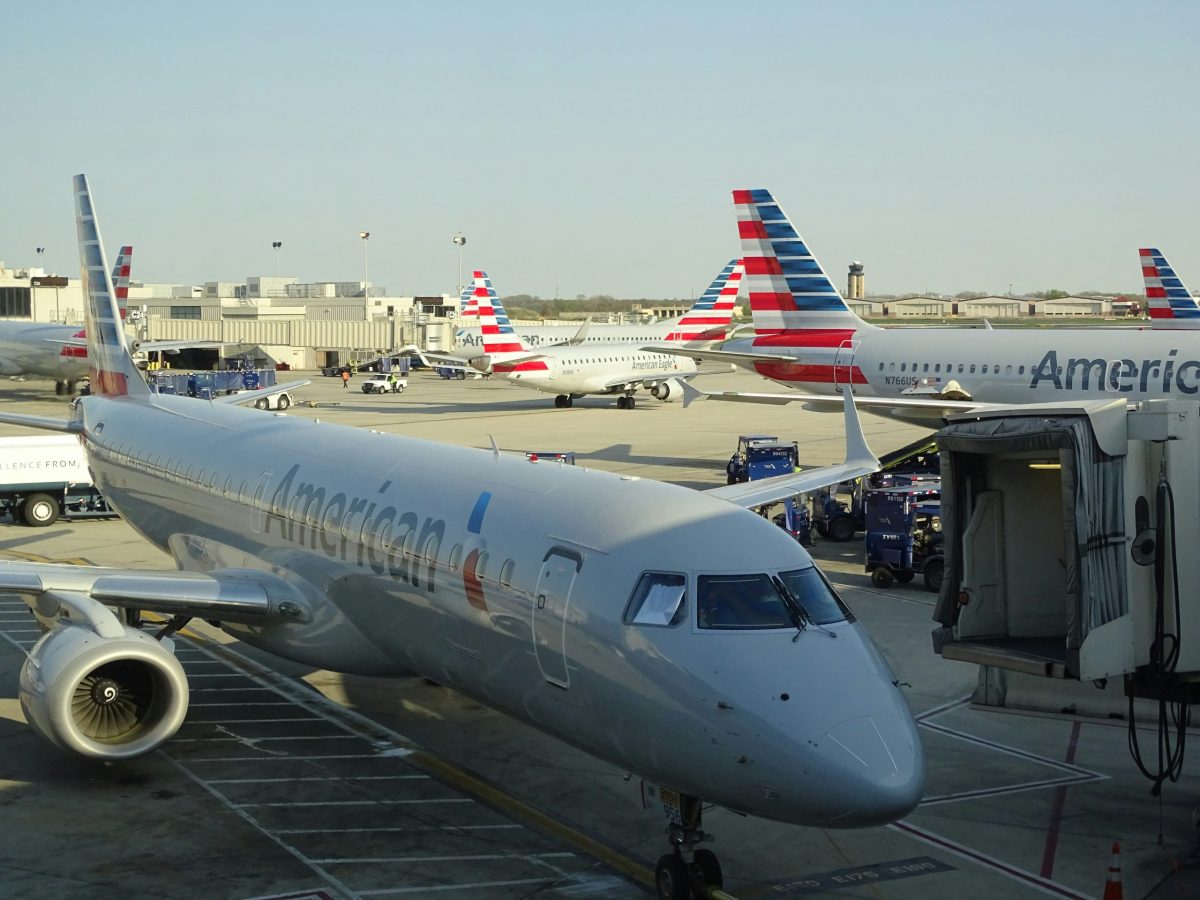
For years, American Airlines stood out from the crowd with a perk that made spontaneous travelers smile: you could book a ticket just two days before departure and cancel for a full refund within 24 hours, no questions asked. That cushion of flexibility? Gone as of July 29, 2026.
The carrier has now aligned itself with the bare minimum required by the U.S. Department of Transportation (DOT), a rule that's been sitting on the books since 2012. Under this baseline standard, airlines only have to offer a 24-hour refund window for tickets purchased at least seven days before your flight departs. Book a ticket three days before takeoff, and you're outside that protection zone entirely.
What the Rule Actually Says
The DOT requirement gives airlines a choice, not a burden. They can either allow you to cancel and get a full refund within 24 hours, or they can let you hold a ticket at the quoted price for 24 hours without paying anything upfront. Airlines don't have to offer both options. Most major carriers have chosen the refund route, but American's move brings it into lockstep with JetBlue, Southwest, and United. Delta, interestingly, continues to offer more generous last-minute booking flexibility than its competitors.
How This Stings Budget Flyers
Here's where the change really pinches: tickets purchased less than seven days out are no longer eligible for cash refunds. Instead, you'll get a travel credit. For basic economy passengers, the situation is even grimmer. These discounted fares are non-refundable and non-changeable, period. Unless you're an AAdvantage member willing to pay a $99 fee to convert your ticket to credit, basic economy purchases are locked in. Non-members get nothing.
This rollback marks a sharp departure from the goodwill airlines extended during the pandemic. When travel ground to a halt and uncertainty gripped the industry, American and its competitors loosened their policies dramatically to retain nervous customers. By August 2020, United had already eliminated change fees on standard and premium economy tickets. American and Delta matched that move within a day. Those were different times, though, and airlines are now focused on recouping revenue rather than reassuring hesitant flyers.
Where Other Carriers Stand
Not all airlines have tightened their screws equally. Among budget carriers, Frontier allows free changes within 60 days before switching to a $99 fee. JetBlue operates a tiered fee structure that mirrors American's approach. The landscape has shifted, but it remains fragmented enough that smart travelers can still hunt for better terms elsewhere.
Your Safety Net Options
If you book with certain premium credit cards, you may have a built-in escape hatch. Travel insurance bundled with some cards can reimburse you for non-refundable tickets if you cancel for a covered reason. But coverage is specific and limited, not a free pass for changing your mind. The catch: you need to weigh whether the card's insurance benefit justifies purchasing a pricier, more flexible fare class in the first place.
The smarter play for last-minute bookers is to avoid basic economy altogether if cancellation protection matters to you. Springing for a slightly higher ticket class often unlocks refund or change privileges that basic economy simply doesn't include. It's not a perfect system, but it beats gambling with your money.
American's shift reflects a broader industry reality. Pandemic-era flexibility was always temporary scaffolding, not permanent infrastructure. As airlines compete fiercely on price and route expansion, they're clawing back amenities to protect margins. For travelers, that means booking further in advance, choosing higher fare classes when you value flexibility, and keeping a close eye on which carriers still reward spontaneity. The days of last-minute booking without consequences are fading fast.