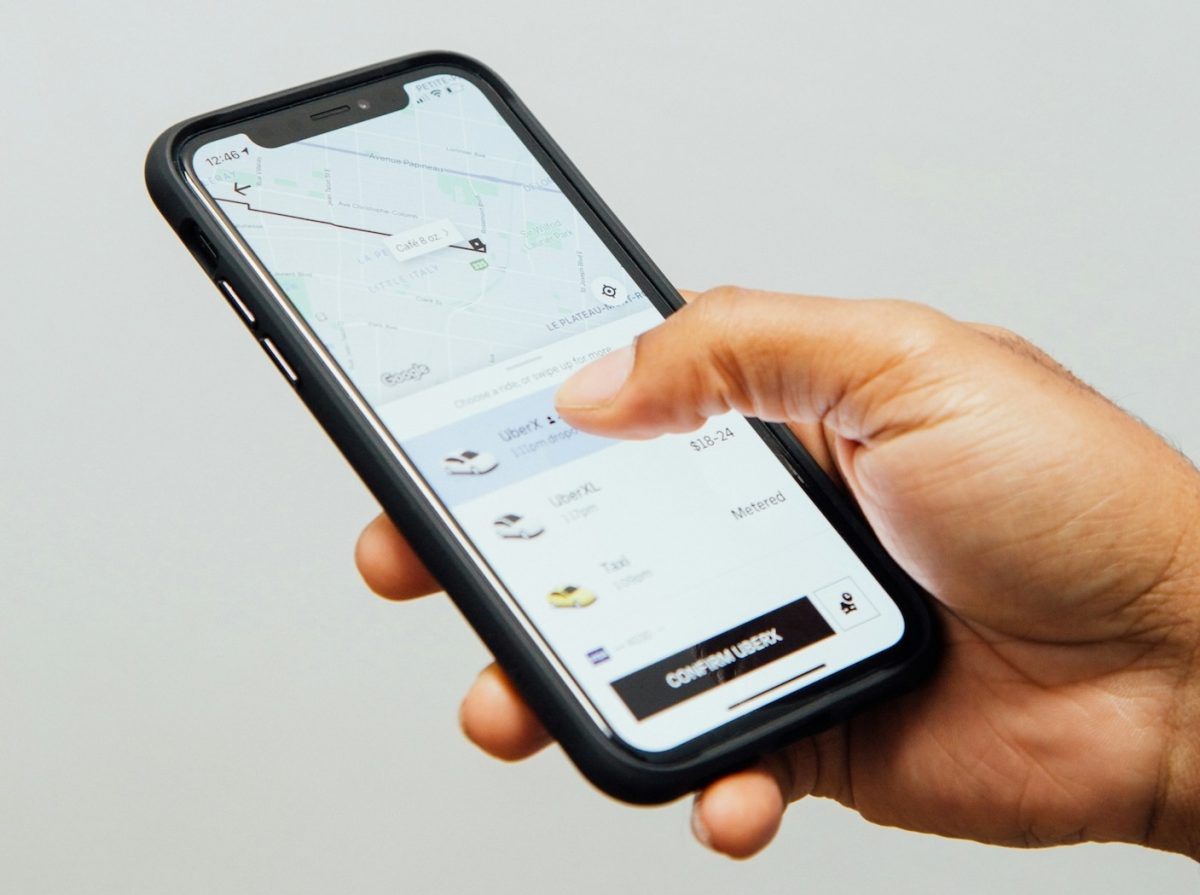
Uber just made a power move in the travel space. The rideshare giant announced it's joining forces with Expedia Group to let you book hotels, arrange transportation, request meal delivery to your hotel room, and even shop for forgotten items without ever leaving the Uber app. For travelers who are exhausted by app fatigue, this sounds like relief. For everyone else, it raises some hard questions about who benefits most from this kind of convenience.
Here's what's actually coming. US Uber users will soon access over 700,000 hotel properties worldwide directly through the app. Vacation rentals through Vrbo are arriving later in 2026. On the flip side, starting this June, Expedia users will see Uber rides embedded in their app. It's a two-way street designed to keep you moving between both platforms without friction.
The logic is straightforward. Travel means making dozens of small decisions: where to sleep, how to get around, what to eat, where to shop. Expedia CEO Ariane Gorin frames it as helping "travelers spend less time planning and more time enjoying the journey." That's not wrong. But Uber CEO Dara Khosrowshahi's vision goes broader. He describes Uber becoming "an app for everything," a way to combat "cognitive overload" from managing too many apps and too many choices.
Enter Travel Mode, a new feature that delivers curated recommendations for local restaurants, tourist hotspots, and OpenTable reservations. You can order what Uber calls its version of room service, delivered straight to your hotel room. The "Shop for Me" feature lets you request anything from any store, even if it's not listed in the app. Uber's examples range from last-minute gifts to a New York Strip from a butcher to a 10-inch snake plant. There's also a hands-free AI voice assistant that understands your spoken destination and preferences, presenting options tailored to your needs.
The redesigned search bar sits at the heart of this strategy. One search now returns results for places, food, and products across the entire Uber ecosystem. Whether you're booking a ride or ordering breakfast, Uber connects the dots for you. For busy travelers, this feels smart. For the European Travel Commission, which warned in September 2026 that "the dominance of global platforms drive mass tourism but erode authenticity," this raises alarms about small to medium travel businesses getting squeezed out.
There's a genuine tension here. Small local hotels, independent restaurants, and mom-and-pop shops struggle to compete when travelers increasingly rely on what the biggest platforms surface first. When Uber's algorithm decides what you see when you search, independent operators lose visibility. The commission's concern that SMEs become "marginalised by cost pressures and over-dependent on big tech platforms" isn't theoretical anymore.
What travelers actually want offers another wrinkle. Research shows people increasingly crave bespoke itineraries, authentic local connection, and experiences that feel personal rather than algorithmic. Yet the same data reveals they're willing to let technology help them find those things. The question becomes whether bundling everything into one super-app actually achieves that balance or simply replaces choice with convenience.
Uber Black and Uber Black SUV customers get a small luxury perk. You can ask your driver to arrive with a drink or snack already in hand. After confirming your Uber Reserve, one tap lets you add an Uber Eats order for the ride itself. It's a detail that matters if you're paying premium prices for a premium experience.
The partnership also includes a strategic data play. Both companies learn more about your travel patterns, preferences, and spending habits when you live more of your journey inside their apps. That information becomes valuable for personalization, advertising, and future features.
Travelers accustomed to thinking strategically about their downtime may find this consolidation useful for quick bookings and logistics. But for those seeking genuine discovery and supporting local economies while they travel, the single-platform approach might feel limiting rather than liberating. The real test isn't whether Uber's features work technically. It's whether tourism can stay authentic when one or two mega-platforms essentially become the curator of where everyone goes.