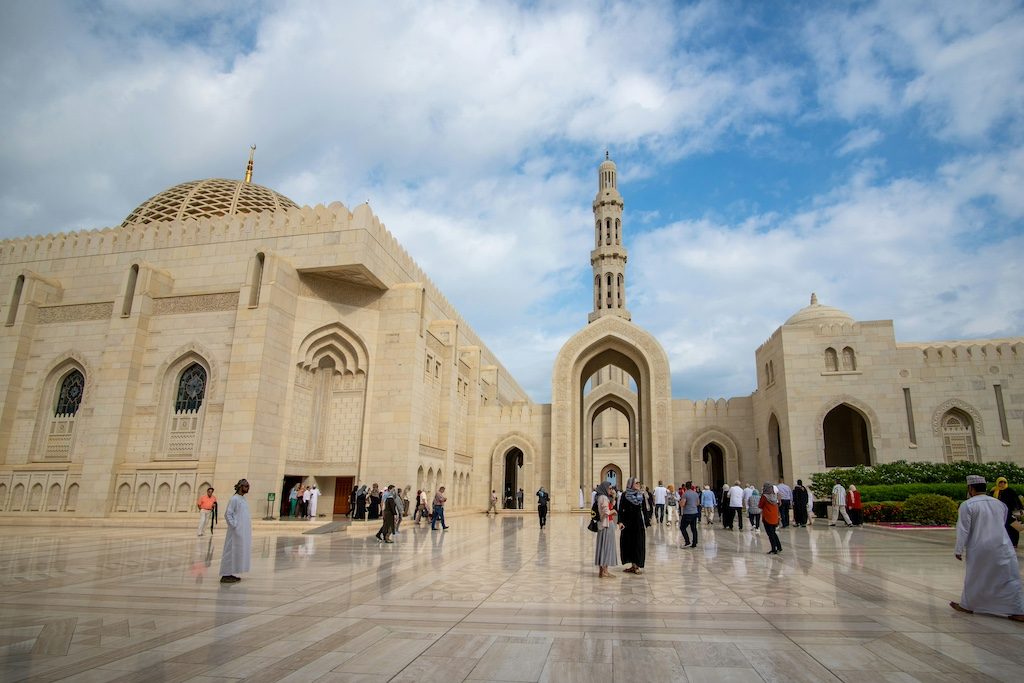
Five years is nothing in most industries. But in tourism tech, it's a lifetime. Visit Oman, the national platform under the OMRAN Group umbrella, just marked five years of existence by revealing something that should make bigger destination boards nervous: they've quietly become a template for how to actually move the needle on digital travel distribution.
Here's what they've built. Start with the infrastructure. Visit Oman achieved IATA certification, integrated with major global distribution systems, and partnered with over 85 airlines including Oman Air and Salam Air. Real-time booking is now live across more than 140 hotels and accommodations. The technical plumbing alone is more sophisticated than most countries' entire tourism operations.
Then comes the scale. Visit Oman has onboarded 390 trade partners spanning 55 countries and connected 250 local tourism providers to international channels. Not all of those are mega-resorts, either. Roughly 80% are small and medium-sized businesses that previously had zero shot at reaching global travelers. Those are the guesthouses, the heritage inns, the operators running desert camps and mountain experiences from tiny towns you'd struggle to find on a map.
The company has now digitized over 350 distinct tourism services. In 2024, they went bigger with a "Digital Travel Hub" (B2B2C model) that pipes Omani tours and experiences into AI-powered online travel agencies across 170 markets simultaneously. That's not aspirational marketing language. That's actually happening right now, in multiple languages, in dozens of currencies.
On the consumer side, Visit Oman launched a direct-to-consumer booking platform and a licensed short-stay accommodation marketplace featuring everything from eco-lodges to heritage guesthouses. Joint digital campaigns with international partners have drawn more than 150,000 visitors. Their online training program for travel agents has reached over 93,000 professionals, which means your local travel agent in Stuttgart or Singapore has probably taken an Oman course.
The momentum extends beyond bookings. Visit Oman created partnerships around major events including IRONMAN Oman and the FIFA World Cup 2026 qualifiers. They launched a stopover program with Oman Air and the Ministry of Heritage and Tourism, positioning Oman as a natural layover destination. That's clever strategy: travelers heading elsewhere suddenly see Oman as a two or three-day add-on rather than a bucket-list detour that requires its own dedicated trip.
The company also engineered a MICE platform (for meetings, incentives, conferences and exhibitions), tackled workforce development through training programs for freelance guides, and created microsites specifically to help smaller operators compete for business. This is the unglamorous stuff that actually wins market share. Not flashy campaigns. Real infrastructure that makes it easier for travel agents and corporate bookers to say yes to Oman.
Shabib Mohamed Al Maamari, Visit Oman's Managing Director, said the next phase focuses on going deeper into key source markets, expanding category options, and improving conversion rates through technology and smarter marketing. Translation: they're not stopping. They're accelerating into the channels where major international competitors still haven't built serious presence.
What makes this story remarkable isn't that Oman succeeded. It's that they succeeded by doing what most tourism boards claim to do but almost never execute: they built actual infrastructure first, trained actual people, made it genuinely easier for small suppliers to reach global markets, and then scaled aggressively. There was no pretense. No Instagram-first strategy masquerading as a business plan. Just a methodical, tech-forward approach to solving a real problem: how do we connect our people's tourism businesses to the world without leaving out the small operators?
As more destinations wake up to the reality that tourism booms require serious operational backbone, Oman's playbook becomes more valuable by the month. They proved you don't need to be a major tourism superpower to move distribution needles. You just need to build it right.