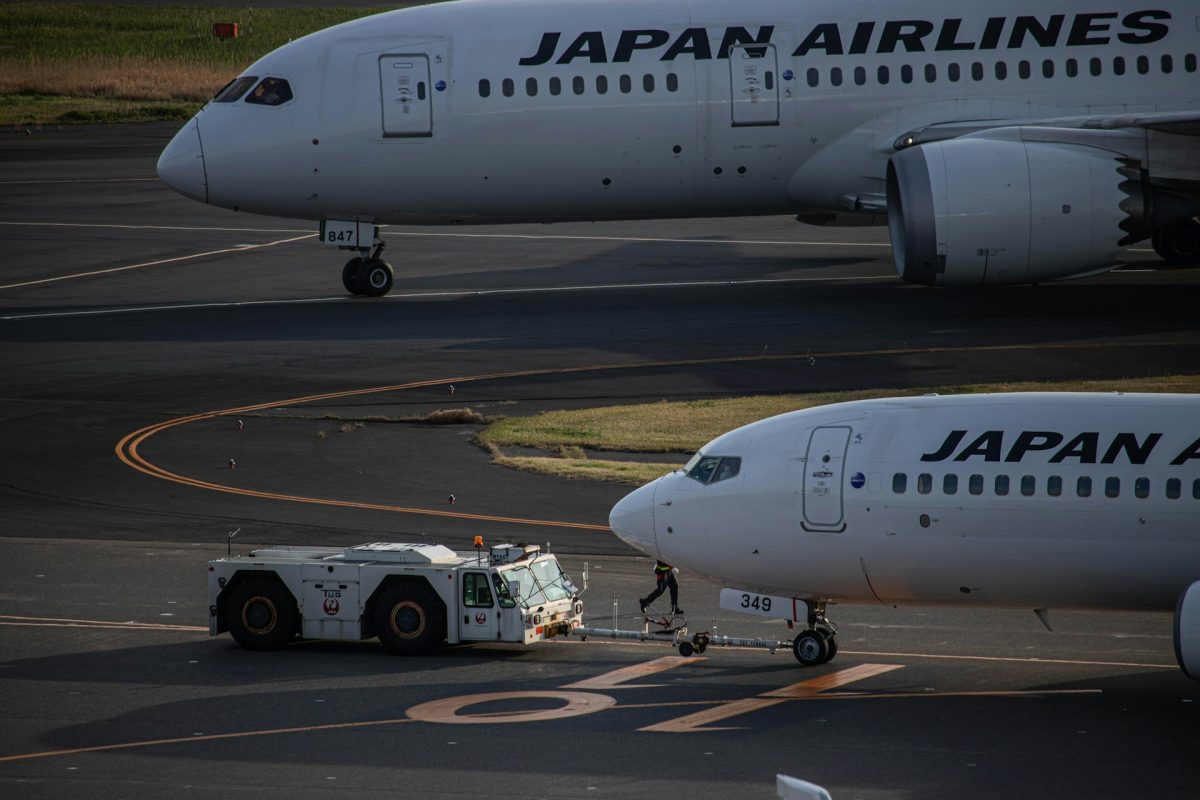
Picture this: a 130-centimetre-tall humanoid robot carefully loads cargo onto a conveyor belt, then waves goodbye to its human colleague. This isn't science fiction. Starting in May 2026, Japan Airlines will begin a two-year trial of humanoid robots for ground operations at Tokyo's Haneda Airport, marking the first initiative of its kind in Japan. The airline is partnering with GMO AI & Robotics to test whether these machines can shoulder some of the heaviest lifting at one of Asia's most relentlessly busy aviation hubs.
The project isn't a quick experiment or a stunt. Instead, it's designed as a structured, multi-phase rollout. Teams will first map out every inch of airport operations to pinpoint where robots can work safely and effectively. Then comes the hard part: repeated simulations that mirror real working conditions on the tarmac. The partners want to build a system where humans and robots actually work together, not against each other. The long-term vision is a more sustainable model for airport operations that doesn't burn out the people keeping flights on schedule.
Right now, these robots will handle physically taxing tasks like loading and unloading cargo containers and moving heavy equipment on the tarmac. Because they're built in human form, they can navigate spaces designed for people without requiring major infrastructure overhauls. Each robot can run for two to three hours before needing to recharge, and human operators control them remotely, essentially mirroring human movements in real time. It's less about replacing workers and more about shifting who does the most grueling labor.
The real story behind this initiative is Japan's demographic crisis. The country faces a shrinking working-age population while international visitor numbers keep climbing (over seven million tourists arrived in just the first two months of 2026). Ground handling work is relentlessly physical, involves brutal shifts, and doesn't attract workers anymore. By deploying robots for repetitive heavy lifting, airlines can ease the burden on staff and keep operations flowing smoothly. Japan may need more than 6.5 million foreign workers by 2040 to hit its economic targets, yet immigration remains politically sensitive. Automation and robotics are increasingly seen as part of the answer.
The technology powering these robots blends artificial intelligence, advanced sensors, and remote operation to deliver both strength and precision while keeping humans in the loop. GMO Internet Group, the parent company, even declared 2026 the "First Year of Humanoids," signaling a push to roll out this technology across industries beyond aviation. Airports became the testing ground because they're real-world environments with complex, adaptable challenges. This isn't entirely new territory for Japanese airports either. Robots already patrol terminals for security and assist customers at information desks. What's different here is deploying them for the invisible, exhausting work that passengers never see but that keeps every flight departing on time.
Some airport sectors worldwide are wrestling with similar labor pressures. Brussels Airport has faced multiple strikes over working conditions, and labor shortages plague hubs across Europe and Asia. As airports redesign their operations, automation becomes one tool among many. Biometric boarding, upgraded amenities, and autonomous vehicles are all part of how airports are modernizing. Humanoid robots could fit naturally into this shift, particularly in regions where finding workers has become nearly impossible.
Don't expect humans to vanish from airport tarmacs anytime soon. Safety decisions, complex problem-solving, and oversight require human judgment that robots can't replicate. The project leaders have been clear: the goal is to support employees, not eliminate them. By handling repetitive and physically punishing tasks, robots could actually improve working conditions and reduce burnout. Human oversight will remain non-negotiable for maintaining the strict safety standards aviation demands.
Looking forward, Japan Airlines is already exploring whether these robots could clean aircraft cabins and operate ground support equipment. As the technology matures and becomes more autonomous, interactions between staff and machines could feel far more natural. The Haneda trial is just the opening chapter. If it works, airports from Singapore to São Paulo might start asking similar questions about their own operations. For travelers, this means one thing: smoother connections, faster turnarounds, and flights that actually leave on time because the people and machines keeping them on track are working in harmony instead of scrambling to fill impossible workloads.