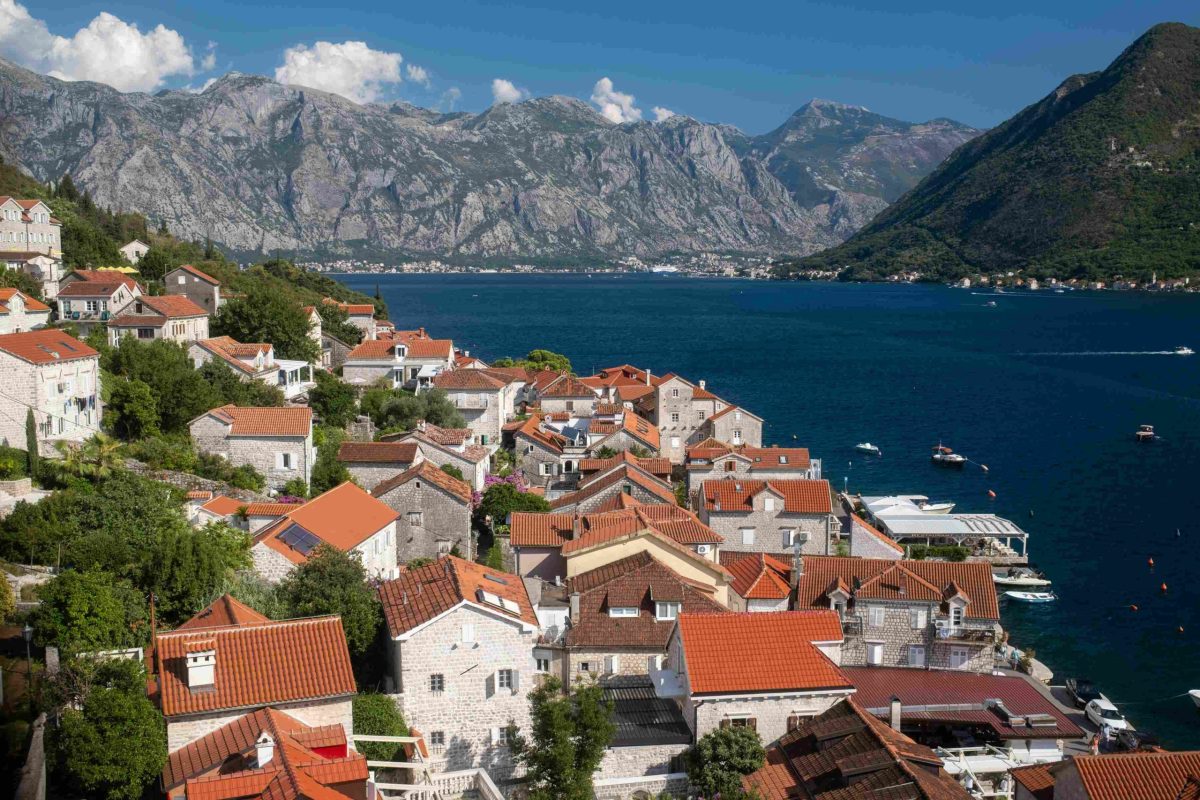
Wallonia gets overlooked. While travelers flock to Bruges and Brussels, Belgium's southern region sits quietly, keeping its best cards face-down. That's your gain. The landscape here shifts between forested valleys, charming market towns, and villages where time moves differently than it does in the capital.
The region spans across rolling countryside and dramatic terrain. Medieval architecture clusters in unexpected pockets. Food culture runs deep. If you're planning your next escape and want somewhere that feels discovered rather than packaged, Wallonia deserves space on your radar.
Medieval Towns That Still Feel Lived In
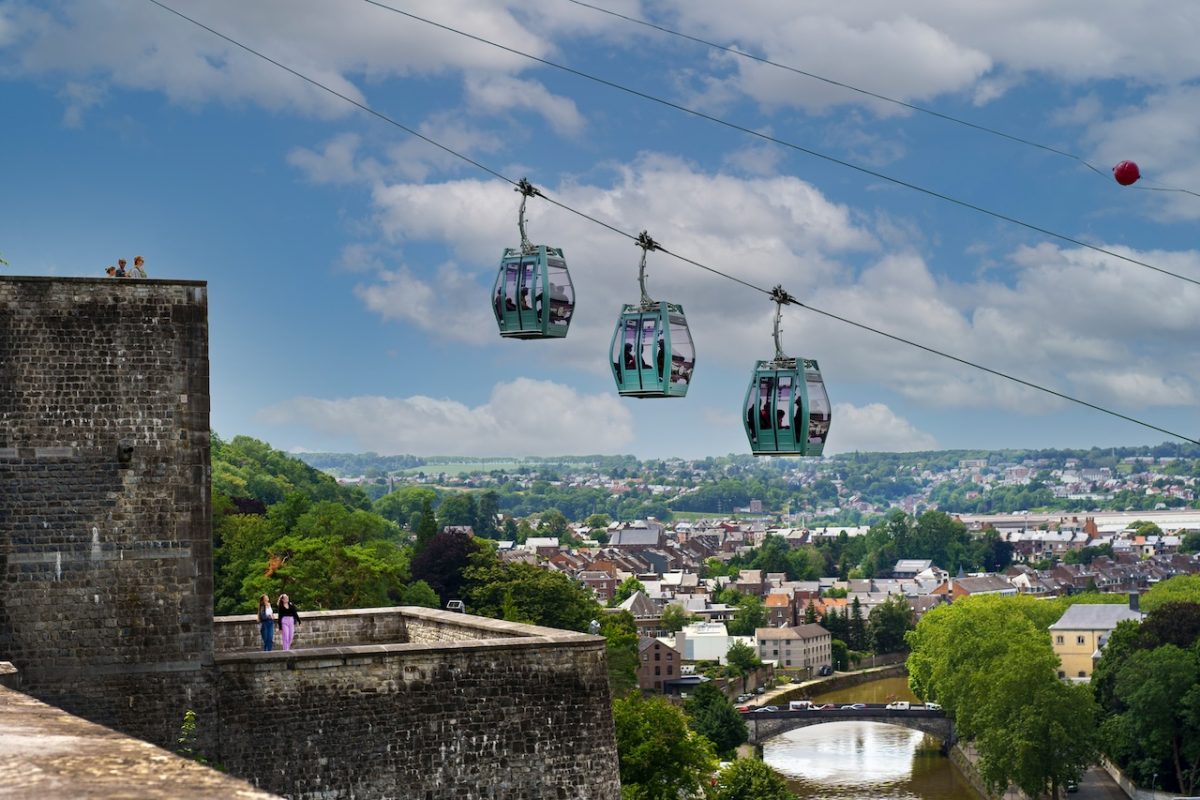
Dinant sits along the Meuse River like something from a storybook. Narrow streets wind upward past cafes and shops. The saxophone museum here is wonderfully specific (the saxophone was invented by a local), and the Adolphe Sax statue on the riverbank is an easy photo moment. Climb to the citadel if your legs cooperate. The view down the valley justifies the effort.
Rochefort lies inland, higher up, surrounded by beech forests. The historic center is compact enough to explore in an afternoon. The castle ruins offer perspective. Underground grottoes sit nearby if you want to drop below ground level. This is where Belgium stops feeling like a mini-country and starts feeling like somewhere with actual geography.
Bouillon's castle dominates from a hillside overlooking the Semois River. The town wraps around it like a loyal subject. You can walk the ramparts, peer into the dungeons, and imagine crusaders passing through. The river below offers kayaking options if you want true downtime on the water. The surrounding region is prime territory for hiking.
Villages Where Lunch Takes Three Hours
Wallonia's food reputation is real. Liege waffles started here, but there's far more than sugar. Ardennes ham, Belgian beer, and Walloon cheeses deserve attention. The Pays de Herve region makes some of Europe's best local cheese. Markets in towns like Verviers and Spa still operate with real rhythm.
The Semois Valley towns function as eating destinations. Vresse-sur-Semois sits on the river's edge and attracts serious foodies. Restaurants here aren't trying to be fancy. They're trying to cook well, which is better. Duck confit, wild boar, fresh trout from the river. You'll understand why locals don't complain about limited nightlife when the dinner table is this good.
Outdoor Terrain for Real Exploration
The Fagne-Chimay-Couvin region offers limestone scenery that feels Alpine for a moment, then settles back into rolling green. Trails crisscross the area. The Lac de Virelles provides water for kayaking or just staring. Chimay itself is worth a night (the monks here still brew Trappist beer, one of the few remaining abbeys doing this work). The surrounding forest walks range from casual to challenging.
Spa, the original spa town, sits in the Ardennes at the top of a natural valley. The architecture is belle-epoque grand. The waters are still supposedly therapeutic. Whether you believe the mineral claims or not, the town has decent restaurants and the surrounding forest offers enough trails to justify staying longer than one night. This is where the European elite used to come to rest and socialize.
Planning Your Walloon Trip
Getting around works best with a car. The region isn't car-dependent in the American sense, but public transit between smaller towns has gaps. Liege is your gateway if flying in. European budget airlines serve it regularly, though the competitive pressures on regional airports keep routes interesting to track.
Spring and early fall are ideal. Summer brings crowds to the river towns. Winter reduces restaurant hours in smaller villages. Accommodation ranges from smart countryside hotels to farm stays where breakfast means local cheese and fresh bread. Book ahead in July and August.
The region rewards slower travel. Staying put for three or four days in one base (Dinant, Bouillon, or Rochefort work well) and day-tripping outward gives you time to actually notice things. This is not a place where speed equals experience.
Wallonia doesn't need hype. It functions fine as Europe's quiet side, where what matters is good food, real architecture, and landscapes that earn their green reputation. That's the appeal for travelers who've seen enough postcards and want something actual.