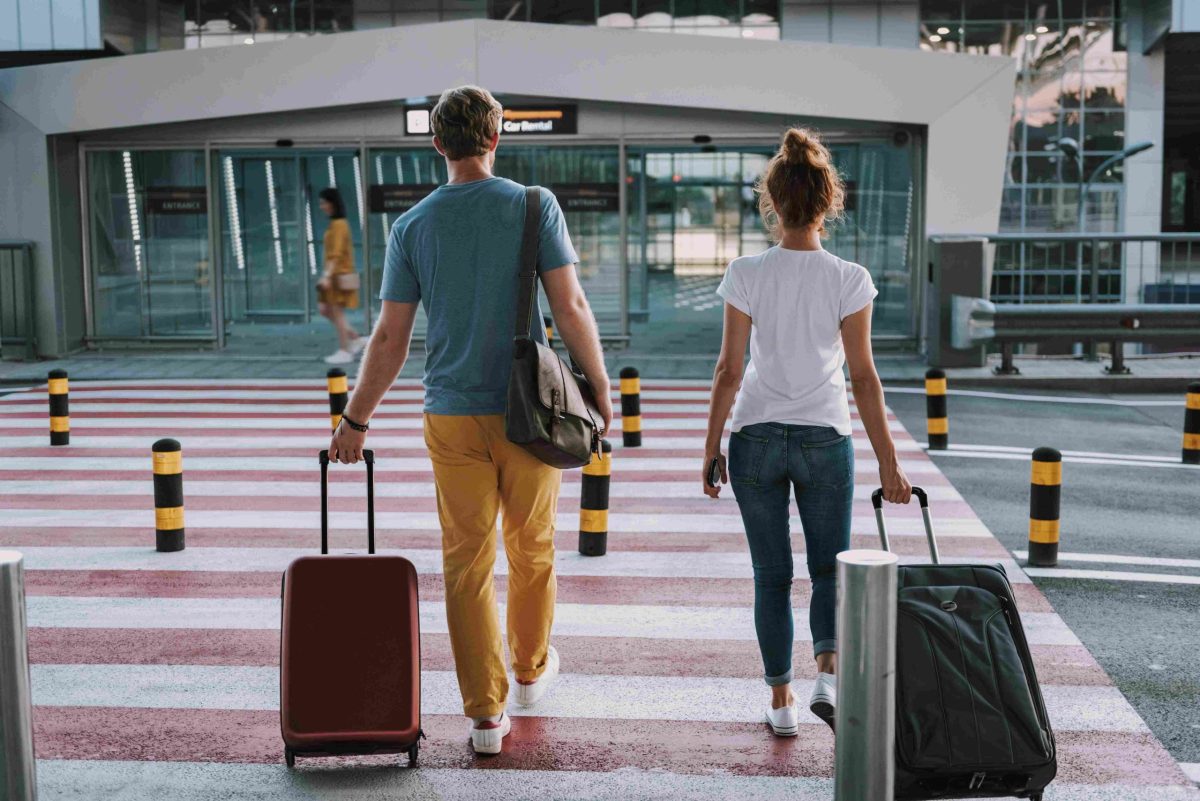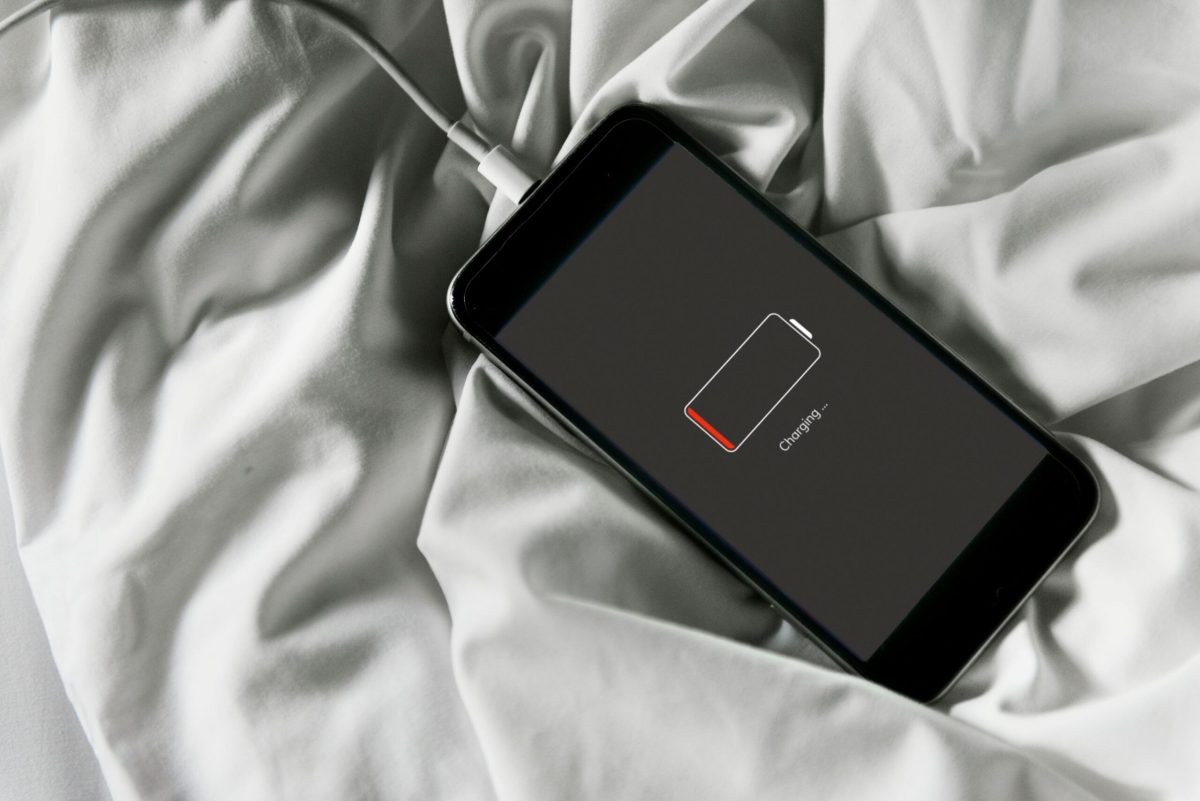
Your phone buzzes. A notification pings. Another message arrives. By the time you've checked your email, you've already scrolled through five different apps without really remembering why. Sound familiar? For millions of travelers, this compulsive digital behavior has become so normal that stepping away feels almost impossible. Yet a quietly powerful trend is gaining momentum, especially among younger generations, and it's proving that the best souvenirs from a trip might just be peace of mind.
The movement has a name now: deadzoning. It sounds vaguely apocalyptic, but it's actually refreshingly simple. Deadzoning means intentionally switching off from the digital world while traveling, or sometimes even at home. No scrolling, no notifications, no constant availability. Just you, your surroundings, and actual human connection.
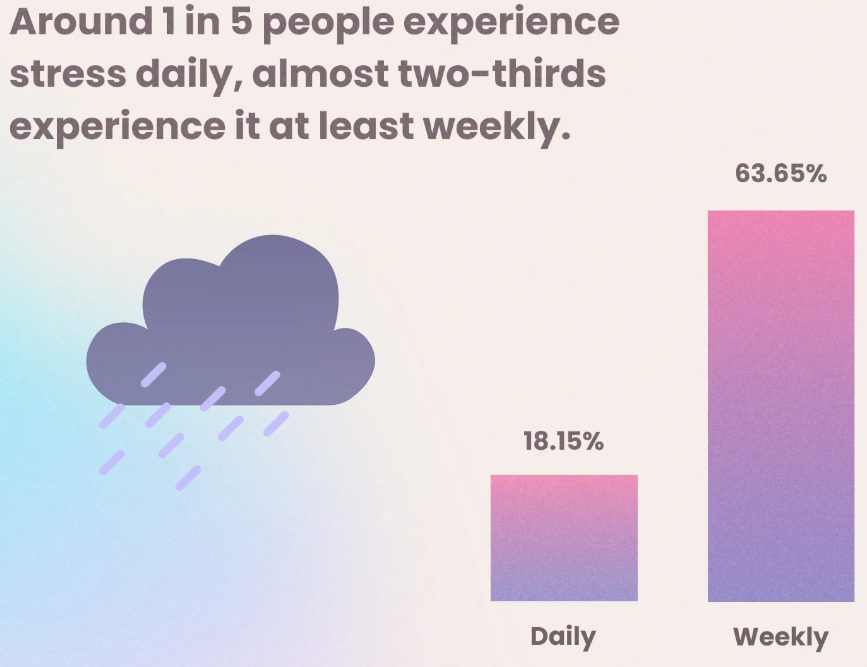
The timing couldn't be more urgent. Recent UK stress statistics reveal that nine in ten people reported experiencing high or very high levels of stress over the past year, a figure that has stubbornly remained consistent since 2024. The culprit? Our devices. What were supposed to be tools for connection and information have paradoxically trapped us in cycles of stress, fractured attention, and burnout that no longer stop at the office door. Work and life have collapsed into a single, always-on blur.
Here's the science part: removing constant digital stimulation significantly reduces cognitive load, which is essential for regulating mental health and easing stress. Remove the screens that disrupt your natural sleep rhythms, and something remarkable happens. You sleep better. You think clearer. The constant low-level anxiety that has become background noise simply lifts.
What Deadzoning Actually Looks Like
The beauty of deadzoning is that it's entirely self-defined. Some travelers lock their phones away for the entire trip. Others keep their devices but disable notifications, creating a barrier between themselves and the digital world. The more adventurous deliberately choose remote destinations with little or no connectivity, making the temptation to check in impossible.
Tourism expert Birgit Trauer notes that this isn't about total isolation. "Connection is part of our DNA as humans," she explains. "Whether it's with others or with ourselves." Deadzoning, then, is about regeneration: reconnecting with the people around you and reconnecting with your own thoughts, without the constant interference of a glowing screen.
Christina Bennett, a consumer travel trends expert at Priceline, has observed that the trend particularly resonates with younger travelers. "More than a third say they wish devices could be banned entirely while on holiday," Bennett notes. After years of being permanently switched on, travelers are actively seeking vacations that allow complete mental and digital disconnection.
Where to Actually Do This
You don't need to book an expensive retreat or fly 24 hours to experience deadzoning. It can happen anywhere you're intentional about it. That said, certain destinations naturally lend themselves to the practice. Remote areas of Asia and Australia are obvious choices, where distance naturally limits connectivity. Closer to home, parts of Greece, Transylvania in Romania, and the coastal and rural regions of Denmark offer similar opportunities for genuine disconnection.
The most effective deadzoning environments typically share a few traits: they move at a slower pace, they encourage presence through thoughtful design, they offer simple activities without overstimulation, and they feel just far enough removed from your everyday life to break the usual patterns. You're looking for places where boredom becomes a feature, not a bug.
The One Catch Nobody Mentions
Trauer does offer a word of caution: returning to regular life after a true deadzoning experience can feel jarring and overwhelming. The noise of the connected world hits harder when you've had a taste of silence. This suggests that deadzoning shouldn't be treated as a rare escape you take once a year. Small doses of disconnection, woven regularly into your life and travels, might work better than expecting one long retreat to solve everything.
The irony is that achieving better balance doesn't require rejecting modern life entirely. It requires being intentional about when and how you're connected. It requires travel that feeds your soul rather than just feeding your Instagram feed. And it requires understanding that sometimes the most valuable thing a vacation can give you isn't a checked box on a bucket list, but simply your own head back.