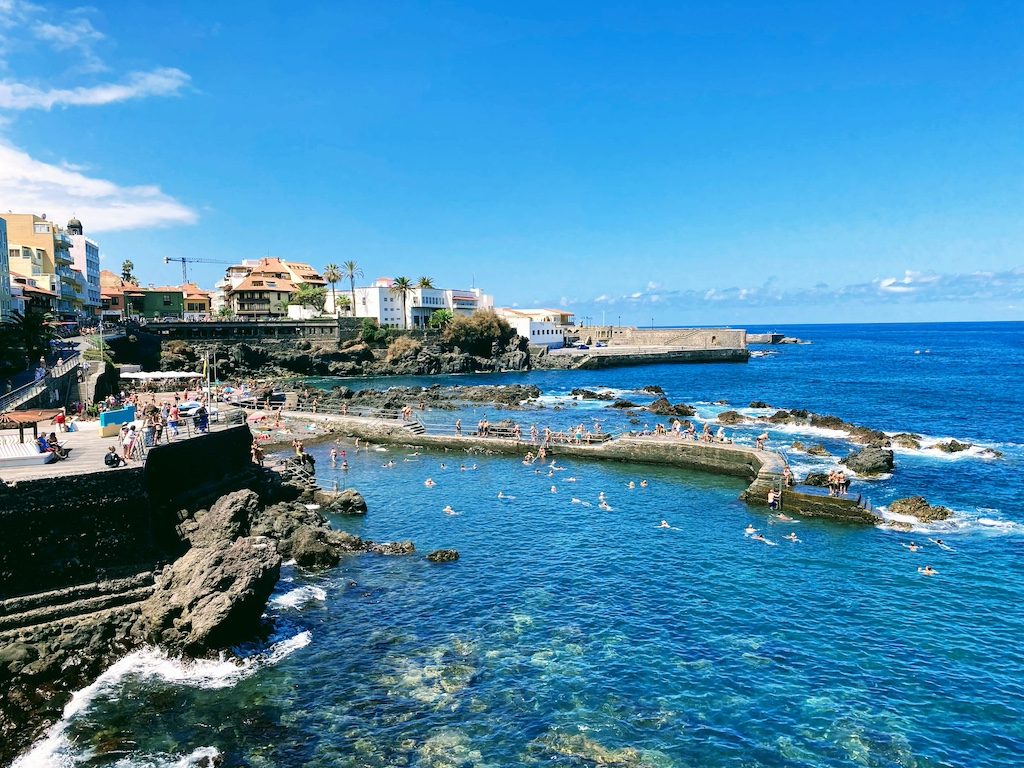
Tenerife's golden reputation as Europe's go-to winter sun destination is getting a hard reality check. The largest of Spain's Canary Islands, which welcomed 16.3 million tourists last year and generated €23.2 billion in spending, is now scrambling to fix what authorities admit has become a serious problem: coastal water pollution.
The wake-up call came earlier this year when the European Union Court of Justice publicly criticized Spanish authorities for uncontrolled wastewater spilling directly into the ocean. Then came the humiliation of having two major beaches flagged as environmentally damaged by Ecologists in Action, an environmental watchdog. Playa Jardín was actually shut down for over a year because of E. coli contamination linked to aging sewage infrastructure. Puertito de Adeje earned its black flag for poor management around luxury resort development, with concerns that underwater construction projects threaten endangered species.
Why this matters for the island's future
Tourism isn't just important to Tenerife; it's the lifeblood. One out of every four jobs on the island depends on tourism, which employed over 237,000 people by the end of 2025. UK visitors, who form the single largest tourist market for Tenerife, specifically care about water quality. Damaged beaches and reports of contamination don't just hurt feelings; they risk redirecting millions of euros in annual spending to competing destinations.
The island's government has responded with what they're calling an ambitious fix: an €81 million investment plan running from 2027 through 2030. The money will go toward modernizing crumbling wastewater networks, expanding treatment capacity, preventing coastal discharges, and improving coordination between the island's fragmented municipalities. Vice President Lope Afonso is pushing for all local governments to cooperate on the plan and embrace zero-waste initiatives.
What travelers should know now
If you're planning a Tenerife trip, here's the honest take: the island is in transition. Councillor Sonia Hernández has called the cleanup plan a "strategic document," and the Association of Friends of Nature is demanding more transparency about coastal pollution and better information for visitors. That last part matters. Until improvements are visible and verified, environmental groups will likely continue monitoring beaches closely.
The practical reality is that Tenerife isn't closed or unsafe for travel. Many beaches remain perfectly fine, and the island's infrastructure and attractions continue operating normally. But if you're someone who prioritizes swimming in pristine water, you might want to research specific beaches before booking or wait until the island's improvements show tangible results over the next few years.
This moment reveals something often hidden in travel marketing: even beloved destinations have infrastructure problems that need fixing. Tenerife's willingness to invest this much money shows they take the issue seriously. Whether the plan actually delivers on its promises will tell travelers whether the island can bounce back from this environmental stumble and maintain its position as a major European tourism hub.